
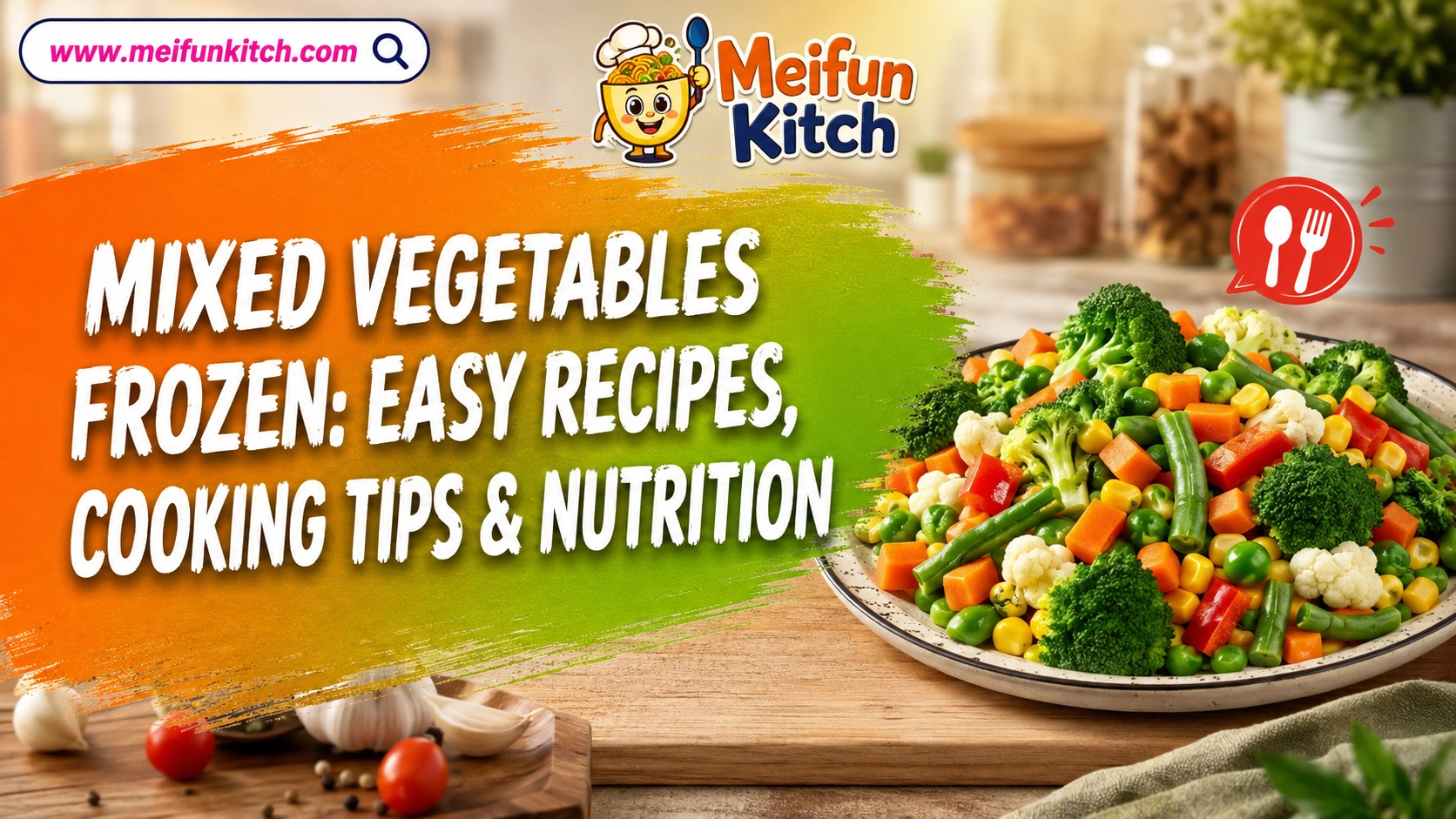
If you want a quick, affordable, and nutritious ingredient, mixed vegetables frozen can make everyday meals much easier. Most blends contain vegetables such as carrots, peas, corn, and green beans. You can cook them directly from the freezer without thawing first. They work well in stir-fries, soups, rice, pasta, casseroles, curries, and simple side dishes. The best method depends on the texture and flavor you want. Sautéing and roasting usually create better flavor than boiling. Frozen vegetables also save preparation time because manufacturers usually wash, cut, and blanch them before freezing. Mixed vegetables frozen can therefore become a practical choice for busy families, students, and anyone who wants vegetables available throughout the year.
The quality of mixed vegetables frozen depends on the vegetable blend, freezing process, storage conditions, and cooking method. USDA standards describe frozen mixed vegetables as combinations containing three or more properly prepared and blanched vegetables. Common standard vegetables include green beans, carrots, sweet corn, and peas. However, commercial brands can use different combinations and proportions. Therefore, always check the ingredient panel when choosing a particular product.
Plan Your Perfect Week of Meals
Build a personalized weekly diet plan in minutes — balanced meals, made simple.
This guide explains how to cook mixed vegetables frozen without making them watery or mushy. It also covers nutrition, preparation, storage, seasoning, recipe ideas, air-fryer methods, stovetop techniques, and common questions. Whether you want an easy vegetable side dish or a complete family dinner, you can use the information below to get better results.
Mixed Vegetables Frozen: What Are They?
What vegetables are usually included?
Mixed vegetables frozen usually combine several vegetables into one convenient package. A classic blend contains carrots, green beans, peas, and sweet corn. Some products also contain lima beans, broccoli, cauliflower, peppers, onions, or other vegetables. USDA standards recognize several basic vegetables for traditional frozen mixed vegetable combinations, including carrots, corn, peas, and green beans.
The exact mixture varies between brands and countries. Therefore, two bags can look similar while containing different ingredients. Some mixes contain only plain vegetables, while others include sauces, butter, seasoning, or added salt. For everyday cooking, plain mixed vegetables frozen usually offer greater flexibility because you can control the seasoning yourself.
Why are vegetables frozen before selling?
Manufacturers generally blanch vegetables before freezing them. Blanching uses heat for a short period before the vegetables undergo freezing. This process helps prepare the vegetables for frozen storage and supports their quality during storage.
Freezing also makes vegetables available when fresh produce may be expensive or difficult to find. A bag of mixed vegetables frozen can stay ready for quick meals without requiring peeling and chopping. This convenience makes frozen vegetables especially useful for busy households.
Mixed Vegetables Frozen: Are They Healthy?
Nutrition in frozen mixed vegetables
Plain mixed vegetables frozen can provide carbohydrates, dietary fiber, vitamins, minerals, and naturally occurring plant compounds. However, nutrition varies according to the exact vegetables and serving size. One current commercial example containing carrots, peas, green beans, and corn provides about 50 calories, 10 grams of carbohydrate, 3 grams of fiber, and 2 grams of protein per 85-gram serving.
These numbers do not represent every product. Instead, they demonstrate why you should read the nutrition label. A plain vegetable blend may contain very little sodium, while a seasoned version can contain considerably more. Therefore, choose products according to your dietary needs rather than assuming every frozen vegetable mix has identical nutrition.
Are frozen vegetables as nutritious as fresh ones?
Many people assume that fresh vegetables always contain more nutrients. However, the answer depends on harvesting, transportation, storage, preparation, and cooking. Frozen vegetables can provide useful nutrition because manufacturers often process vegetables soon after harvesting.
The cooking method also matters. Overcooking mixed vegetables frozen can soften their texture and reduce some heat-sensitive nutrients. Therefore, cook them only until they reach the texture you prefer. Steaming, sautéing, and quick microwaving can provide convenient options when you want to avoid prolonged cooking.
Mixed Vegetables Frozen: Best Way to Cook Them
Should you thaw frozen vegetables first?
You usually do not need to thaw mixed vegetables frozen before cooking. Cooking them directly from frozen often produces better texture because thawing releases water. That extra moisture can make vegetables softer and more difficult to brown.
Direct cooking also saves time. For example, you can add mixed vegetables frozen directly to a hot skillet for a quick side dish. You can also place them in a steamer or add them to soups and stews. However, cooking times depend on the quantity, vegetable size, appliance, and desired texture.
How do you stop frozen vegetables from becoming mushy?
The biggest mistake involves using too much water or cooking for too long. Water can soften vegetables, while prolonged heat can destroy the firm texture you want. Instead, use high or medium-high heat when sautéing and avoid overcrowding the pan.
When preparing mixed vegetables frozen, allow excess surface moisture to evaporate during cooking. A wide skillet works better than a small crowded pan. You can also roast the vegetables in a single layer. These methods encourage browning rather than steaming.
Mixed Vegetables Frozen: Stovetop Cooking Method
How to cook frozen mixed vegetables in a skillet
Sautéing gives mixed vegetables frozen a richer flavor and firmer texture. Start by heating a large skillet over medium-high heat. Add a small amount of cooking oil or butter. Then add the frozen vegetables directly to the hot pan.
Cook mixed vegetables frozen for about 5 to 8 minutes, stirring regularly. The vegetables should become hot and tender while retaining some bite. Cooking times can vary, so use texture rather than a fixed time as your final guide. A current cooking guide also recommends sautéing frozen vegetables directly from frozen for several minutes.
Simple garlic butter vegetable method
For an easy side dish, heat one tablespoon of butter with a little oil. Add minced garlic and cook briefly without burning it. Add mixed vegetables frozen and stir everything together.
Cook until the vegetables become tender and lightly browned. Finish with black pepper, a small amount of salt, and lemon juice. You can also add parsley or cilantro before serving. This simple approach turns plain mixed vegetables frozen into a flavorful side dish for chicken, fish, rice, or grilled meat.
Mixed Vegetables Frozen: Steaming and Microwaving
How to steam frozen mixed vegetables
Steaming provides a gentle cooking method for mixed vegetables frozen. Place the vegetables inside a steamer basket above simmering water. Cover the pot and steam until the vegetables become hot and tender.
Many cooking guides suggest roughly 5 to 7 minutes for steaming, although the actual time depends on the quantity and vegetable blend. Avoid steaming for too long because vegetables can lose their pleasant bite. Once cooked, season mixed vegetables frozen with pepper, herbs, lemon juice, or a small amount of butter.
How to microwave frozen mixed vegetables
Microwaving offers one of the fastest ways to prepare mixed vegetables frozen. Place the vegetables in a microwave-safe container and add a small amount of water. Cover the container with a suitable lid and microwave until hot.
One manufacturer recipe uses approximately one tablespoon of water per 100 grams of vegetables and recommends allowing the vegetables to rest briefly after heating. Microwave power differs between appliances, so check the vegetables during cooking. Stir halfway through when appropriate.
Mixed Vegetables Frozen: Oven and Air Fryer Methods
How to roast frozen mixed vegetables
Roasting can give mixed vegetables frozen deeper flavor and slightly crisp edges. Preheat your oven to about 400°F or 200°C. Spread the vegetables across a baking sheet without creating a thick pile.
Toss mixed vegetables frozen with a small amount of oil, black pepper, garlic powder, paprika, or your preferred herbs. Roast for approximately 20 to 25 minutes, turning halfway when necessary. A current cooking guide recommends this temperature and general cooking range for roasting frozen vegetables.
Can you cook frozen mixed vegetables in an air fryer?
Yes, an air fryer can prepare mixed vegetables frozen quickly while creating browned edges. Preheat the air fryer if your model recommends preheating. Add the vegetables in a relatively even layer and use a small amount of oil.
Cook mixed vegetables frozen until hot and lightly browned, shaking the basket during cooking. Exact temperatures and times vary considerably between air fryers. Smaller vegetables can cook quickly, while larger pieces may need additional time. Check frequently during the final minutes.
Mixed Vegetables Frozen: Best Seasonings and Flavors
Classic herbs and spices
The mild flavor of mixed vegetables frozen makes them suitable for many seasonings. Garlic powder, onion powder, black pepper, paprika, thyme, parsley, rosemary, and oregano all work well. Butter can add richness, while olive oil provides a lighter savory finish.
For brighter flavor, add lemon juice after cooking. Acid can balance the natural sweetness of peas and corn. You can also add fresh herbs immediately before serving. These simple additions can make mixed vegetables frozen taste much fresher without requiring complicated recipes.
Asian, Indian, and spicy flavor combinations
For an Asian-inspired version, sauté mixed vegetables frozen with ginger, garlic, soy sauce, and a small amount of sesame oil. You can add chili flakes if you enjoy heat. Serve the vegetables with rice, noodles, tofu, chicken, shrimp, or beef.
For an Indian-style dish, combine mixed vegetables frozen with cumin, turmeric, coriander, chili powder, ginger, garlic, and a little garam masala. Add tomatoes or yogurt for a richer preparation. You can also turn mixed vegetables frozen into a quick vegetable curry.
Mixed Vegetables Frozen: Easy Meal Ideas
Vegetable fried rice
Mixed vegetables frozen work particularly well in fried rice because the vegetables require little preparation. Heat oil in a large skillet or wok. Add garlic, cooked cold rice, and the frozen vegetables.
Cook until everything becomes hot and the vegetables become tender. Add soy sauce and black pepper. You can include scrambled egg, chicken, shrimp, tofu, or another protein. Using mixed vegetables frozen also gives fried rice color and variety without chopping several individual vegetables.
Vegetable noodles and pasta
You can add mixed vegetables frozen to noodles for a fast dinner. Sauté garlic and ginger, then add the vegetables. Add cooked noodles and a sauce made from soy sauce, chili sauce, and a little sesame oil.
For pasta, cook mixed vegetables frozen separately or add them during the final cooking stage of a sauce. Combine them with tomato sauce, cream sauce, pesto, or olive oil. This method increases vegetable content while keeping preparation simple.
Mixed Vegetables Frozen: Soups, Curries, and Casseroles
Adding frozen vegetables to soup
Soup provides one of the easiest uses for mixed vegetables frozen. You can add them directly to chicken soup, vegetable soup, lentil soup, or noodle soup. Since the vegetables are already prepared, they can save significant chopping time.
Add mixed vegetables frozen according to the cooking stage required by the recipe. If you add them too early, some vegetables may become overly soft. For many soups, adding them toward the end gives a better texture. Always check the entire dish for seasoning before serving.
Using frozen vegetables in casseroles
Casseroles are another practical use for mixed vegetables frozen. Combine them with cooked chicken, rice, pasta, potatoes, or a creamy sauce. Top the mixture with cheese, breadcrumbs, biscuits, or another suitable topping.
For a simple family meal, combine mixed vegetables frozen with cooked chicken and a light cream sauce. Add cooked rice and seasonings, then bake until hot. You can adjust the recipe according to the ingredients available in your kitchen.
Mixed Vegetables Frozen: Storage and Food Safety
How should frozen vegetables be stored?
Keep mixed vegetables frozen in a properly functioning freezer. Follow the storage instructions printed on the package because manufacturers can provide product-specific recommendations. Keep the package tightly closed after opening to reduce freezer exposure.
A freezer should maintain a consistently cold temperature. For example, one current commercial product instructs customers to keep its vegetables frozen at 0°F or below. Avoid leaving mixed vegetables frozen at room temperature for extended periods.
Can cooked frozen vegetables be stored?
Yes, you can refrigerate cooked vegetables after preparing them. Place the leftovers in a clean, covered container and refrigerate them promptly. Use appropriate food-safety practices and avoid leaving cooked food at room temperature for long periods.
The texture can change after refrigeration. Therefore, reheating mixed vegetables frozen gently can produce better results. A skillet often works well because it can remove excess moisture. You can also add leftovers to rice, soup, omelets, pasta, or casseroles.
Mixed Vegetables Frozen: Fresh, Canned, or Frozen?
Frozen versus fresh vegetables
Fresh vegetables can provide excellent flavor and texture, especially when they are locally grown and used quickly. However, they require washing, peeling, chopping, and sometimes careful storage. Mixed vegetables frozen reduce much of that preparation.
Frozen vegetables also provide consistent portioning. You can remove the amount you need and return the remaining vegetables to the freezer. This can reduce waste when compared with buying several fresh vegetables for one recipe. The best option depends on your budget, cooking habits, availability, and preferred texture.
Frozen versus canned vegetables
Canned vegetables offer convenience because they are shelf-stable until opened. However, many canned vegetables have a softer texture than mixed vegetables frozen. Some canned products also contain added salt, although low-sodium varieties exist.
Frozen vegetables generally provide greater versatility for roasting, sautéing, stir-frying, and air frying. Canned vegetables can work well in soups, stews, casseroles, and quick meals. Therefore, keep both options available if your kitchen space and budget allow.
Mixed Vegetables Frozen: Buying Guide
What should you check on the package?
When buying mixed vegetables frozen, start with the ingredient list. Look for a vegetable blend that matches your preferred meals. If you want maximum flexibility, plain vegetables usually work better than products containing sauces.
Next, check the nutrition facts panel. Look at sodium, added sugars, serving size, and fiber. Some plain products contain very little added sodium, while prepared versions can contain more. Current commercial examples show that nutrition can differ between brands and product sizes.
How do you choose good-quality frozen vegetables?
Good-quality mixed vegetables frozen should remain properly frozen during storage. Avoid packages that show signs of severe freezer damage, excessive ice buildup, or unusual discoloration. Also check the package for damage before purchasing.
Choose vegetables that suit your cooking style. If you prepare fried rice frequently, a blend containing peas, carrots, corn, and green beans may work well. If you prefer curries, a broader vegetable blend can offer more variety. Mixed vegetables frozen can become more useful when you choose the blend according to your regular recipes.
Mixed Vegetables Frozen: Common Cooking Mistakes
Why do frozen vegetables become watery?
Wateriness usually results from excessive moisture, overcrowding, or low cooking heat. When mixed vegetables frozen enter a cold or overcrowded pan, they release moisture faster than it can evaporate.
Use a large preheated skillet instead. Add the vegetables in a relatively even layer and cook uncovered. This allows steam to escape. Avoid thawing mixed vegetables frozen before sautéing unless a particular recipe specifically requires it.
Why do frozen vegetables taste bland?
Plain mixed vegetables frozen have a mild natural flavor, so seasoning makes a significant difference. Salt, pepper, garlic, herbs, spices, butter, oil, lemon juice, and sauces can dramatically improve the final dish.
However, season gradually. Start with a small amount and taste before adding more. For example, soy sauce already contains sodium, so adding extra salt may make the dish too salty. Good seasoning should support the vegetables rather than hide them.
Mixed Vegetables Frozen: Quick Recipe Formula
Five-minute skillet vegetable side
For a simple side dish, heat one tablespoon of oil or butter in a wide skillet. Add two cups of mixed vegetables frozen directly from the freezer. Cook over medium-high heat while stirring occasionally.
Add garlic powder, black pepper, paprika, and a small amount of salt. Continue cooking until the vegetables become hot and tender. Finish with lemon juice or chopped parsley. This formula works because mixed vegetables frozen require little preparation and can absorb seasonings quickly.
Complete one-pan dinner
You can turn mixed vegetables frozen into a complete meal by combining them with protein and a carbohydrate. Start with chicken, tofu, eggs, shrimp, or beans. Add the vegetables and cook until hot.
Then add cooked rice, noodles, pasta, or potatoes. Season with your preferred sauce and spices. This approach creates a balanced meal with minimal preparation. Mixed vegetables frozen can therefore serve as the vegetable component rather than simply functioning as a side dish.
Frozen Mixed Vegetables for Quick and Easy Meals
Frozen mixed vegetables offer a simple way to prepare quick meals without washing, peeling, or chopping several vegetables. Common blends often include carrots, peas, corn, and green beans, although some packages contain broccoli, cauliflower, peppers, or other produce. This convenience makes frozen veggie recipes useful for busy weekdays, quick lunches, and simple family dinners. You can add them directly to a hot skillet, soup, rice dish, or pasta without waiting for them to thaw. Many recipes also use these vegetables as a base for flexible meals because they work with different sauces, grains, and proteins.
The best results come from choosing a cooking method that removes excess moisture while keeping the vegetables tender. How to cook frozen vegetables depends on the texture you prefer and the dish you are preparing. Sautéing creates stronger flavor and lightly browned edges, while steaming keeps the vegetables softer and lighter. Roasting and air frying can create more caramelized surfaces. Therefore, you do not need complicated techniques to make frozen vegetable recipes taste good. A few seasonings, a hot pan, and the right cooking time can transform a basic freezer ingredient into a useful meal component.
Easy Frozen Vegetable Recipes for Busy Days
Easy frozen vegetable recipes work especially well when you need dinner quickly. Add the vegetables to fried rice with cooked rice, eggs, soy sauce, and garlic for a complete meal. You can also combine them with noodles and a simple stir-fry sauce. For a lighter option, sauté the vegetables with olive oil, garlic, black pepper, and lemon juice. These combinations require very little preparation because the vegetables already come portioned and cut. Several current recipes specifically use frozen vegetables for quick stir-fries served with rice, noodles, or other proteins.
You can also use mixed vegetable recipes as building blocks for larger meals. Add cooked chicken, tofu, shrimp, eggs, beans, or lentils when you want more protein. For example, a skillet containing vegetables, chicken, and rice can become a filling one-pan dinner. Similarly, you can mix the vegetables into pasta sauce or add them to a simple soup. Because the vegetables have a mild taste, they can absorb different sauces and seasonings easily. This makes frozen veggies practical for households that prefer variety without buying many fresh ingredients.
Best Vegetables for Everyday Cooking
Frozen veggies can contain different combinations, so check the package before choosing one for a specific recipe. A classic vegetable blend often contains carrots, peas, corn, and green beans. A stir-fry blend may instead contain broccoli, cauliflower, carrots, snow peas, baby corn, or zucchini. One current recipe uses a California-style combination of carrots, broccoli, and cauliflower for a crunchy stir-fry.
Choose the blend according to your cooking style. A traditional mix works well with rice, curry, soup, and casseroles. Asian-style blends suit noodles and stir-fries. Broccoli and cauliflower blends work particularly well for roasting and air frying. Therefore, understanding the vegetable combination can help you choose the right frozen vegetable recipes and avoid unexpected textures.
How to Cook Frozen Vegetables Without Making Them Mushy
How to cook frozen vegetables correctly starts with controlling moisture. Many frozen vegetables contain surface ice that melts during heating. If you place a large quantity into a small, cool pan, the vegetables can steam in their own moisture. That process may produce a soft texture instead of the lightly browned finish many people prefer. A large skillet and medium-high heat can help moisture evaporate more quickly. Current cooking guidance also emphasizes high-heat cooking methods for avoiding waterlogged vegetables.
You generally do not need to thaw vegetables before cooking them. Direct cooking can save time and may reduce the extra moisture created during thawing. For example, recipes for frozen vegetable stir fry commonly place the vegetables directly into a hot skillet. One recipe cooks the vegetables until their released water evaporates before adding seasoning and sauce. The exact method can change when a specific recipe calls for thawing, so always consider the dish you are preparing.
How to Cook Frozen Vegetables on the Stove
For how to cook frozen vegetables on the stovetop, begin with a wide skillet or wok. Heat a small amount of oil before adding the vegetables. Spread them across the cooking surface instead of creating a deep pile. Let the vegetables cook for several minutes so their moisture can evaporate. Stir occasionally rather than constantly moving them around. This approach can help the vegetables develop better texture and flavor.
Once the excess moisture decreases, add your seasonings. Garlic, black pepper, paprika, ginger, onion powder, and dried herbs all work well. For an Asian-style preparation, use soy sauce, sesame oil, ginger, or chili flakes. One current frozen vegetable stir-fry recipe cooks the vegetables for roughly 5 to 7 minutes before adding sauce. The final cooking time should depend on tenderness rather than the clock alone.
How to Make Frozen Vegetables Taste Better
The easiest way to improve frozen veggies involves seasoning them after some of their moisture has cooked away. Garlic and black pepper create a simple savory base. Lemon juice can provide brightness, while butter or olive oil adds richness. Fresh herbs can also improve the final flavor without requiring a complicated sauce.
For stronger flavors, try international seasoning combinations. Indian-style mixed vegetable recipes can include onion, ginger, garlic, turmeric, coriander, chili powder, garam masala, coconut, and lemon. One Indian recipe combines frozen vegetables with these ingredients for a spiced vegetable fry. For Asian flavors, combine soy sauce, ginger, garlic, sesame oil, and a little chili. This flexibility makes frozen vegetables suitable for many cuisines.
Frozen Vegetable Stir Fry for a Fast Dinner
Frozen vegetable stir fry remains one of the easiest ways to turn freezer vegetables into a complete meal. You can cook the vegetables in a large skillet or wok, then add a homemade or prepared stir-fry sauce. Soy sauce, garlic, ginger, sesame oil, and a small amount of sweetness can create a balanced sauce. Serve the finished vegetables with rice, noodles, quinoa, or another grain. Current recipes commonly use frozen vegetable blends because they eliminate the need for chopping.
You can make frozen vegetable stir fry more filling by adding protein. Chicken, tofu, shrimp, eggs, beef, or beans can work depending on the flavor profile. For example, tofu pairs naturally with Asian-style vegetables and stir-fry sauce. Epicurious also uses frozen Asian-style vegetables with tofu and sauce for a quick meal. This approach lets you create different dinners from the same bag of vegetables.
Frozen Vegetable Stir Fry With Rice
A frozen vegetable stir fry becomes a complete rice meal with only a few additional ingredients. Start by heating oil in a wok or large skillet. Add the vegetables and cook until the excess moisture evaporates. Then add cooked rice and stir everything together. Soy sauce, garlic, ginger, and black pepper can provide the main flavor.
For additional protein, add scrambled egg, cooked chicken, tofu, or shrimp. Keep the heat high enough to prevent excessive moisture from collecting in the pan. You can also add sesame seeds or sliced green onions before serving. This method creates a quick alternative to takeout while allowing you to control the amount of oil and sauce.
Frozen Vegetable Stir Fry With Noodles
Noodles provide another easy base for frozen vegetable stir fry. Cook the noodles separately according to their package directions. Meanwhile, stir-fry the vegetables in a hot skillet with a small amount of oil. Once the vegetables become tender, add the cooked noodles and your preferred sauce.
A simple combination of soy sauce, garlic, ginger, sesame oil, and chili flakes can produce a flavorful result. You can also add tofu, chicken, or shrimp for more protein. The vegetables bring color and texture to the noodles, while the sauce ties everything together. This method also works well when you need to use leftover noodles from another meal.
Air Fryer Frozen Vegetables for Crispy Results
Air fryer frozen vegetables provide another convenient option when you want browned edges without using a large skillet. You can generally place the vegetables directly into the air fryer without thawing them first. A current air-fryer recipe recommends adding frozen vegetables directly to the basket, lightly coating them with oil, seasoning them, and shaking the basket during cooking.
The cooking time depends on the air fryer and the vegetable blend. One recent recipe demonstration uses approximately 145–160°C for 10–15 minutes, with shaking halfway through. However, individual vegetables can cook at different rates. Therefore, check them during the final minutes and adjust the cooking time according to the texture you want. Avoid overcrowding the basket because airflow helps create better browning.
Best Seasonings for Air Fryer Frozen Vegetables
Air fryer frozen vegetables taste better when you season them before cooking. Olive oil, salt, black pepper, garlic powder, and onion powder create an easy everyday combination. You can also use paprika, Italian seasoning, chili powder, or dried herbs. Toss the vegetables well so the oil and spices coat their surfaces evenly.
For a stronger flavor, add the finishing ingredients after cooking. Lemon juice, grated Parmesan, fresh parsley, chili flakes, or a small amount of hot sauce can provide a noticeable flavor boost. Avoid adding watery sauces too early because they can interfere with browning. Instead, cook the vegetables until browned and add sauces afterward.
How to Get Crispy Frozen Vegetables
The secret to crispier air fryer frozen vegetables involves airflow and avoiding excess moisture. Keep the vegetables in a single or relatively loose layer when possible. Shake or toss them during cooking so different surfaces receive hot air. A light coating of oil can also help seasoning stick and encourage browning.
Do not overload the basket with a large amount of vegetables. Overcrowding traps steam and can produce softer results. If you need to cook a large quantity, work in batches. You can also finish the vegetables with a squeeze of lemon or a sprinkle of herbs after cooking. This simple approach keeps the outside flavorful while maintaining a pleasant interior texture.
Healthy Frozen Vegetable Recipes for Everyday Meals
Healthy frozen vegetable recipes can make weekday cooking much easier without requiring extensive preparation. A plain vegetable blend can provide fiber and several important nutrients while keeping meal preparation simple. The exact nutrition depends on the vegetables and serving size, so checking the package label remains useful. Frozen vegetables also work well with rice, beans, eggs, chicken, tofu, and whole grains. This flexibility allows you to build satisfying meals instead of serving vegetables alone. Current recipe collections show frozen vegetable blends appearing in fried rice, shepherd’s pie, soups, casseroles, and stir-fries.
You can also control the nutritional profile by choosing your cooking ingredients carefully. Use moderate amounts of oil, butter, cheese, and salty sauces when you want a lighter meal. Herbs, garlic, ginger, lemon juice, chili, and fresh vegetables can add plenty of flavor without making the dish complicated. Frozen vegetable recipes can therefore suit many eating styles, including vegetarian meals and quick family dinners. A simple combination of vegetables, brown rice, and beans can create a filling meal with minimal preparation. The University of Maryland Extension also features a rice dish that combines frozen vegetables, brown rice, beans, broth, and herbs.
Healthy Vegetable Side Dishes
Healthy vegetable side dishes do not need complicated sauces or long cooking times. Sauté carrots, peas, corn, and green beans with a small amount of olive oil. Add garlic powder, black pepper, and lemon juice near the end. This method creates a flavorful side that works with grilled chicken, fish, eggs, rice, or potatoes. You can also add fresh herbs after cooking for extra color and freshness.
For a softer side dish, steaming provides another convenient option. Keep the cooking time controlled so the vegetables remain tender without becoming overly soft. A small amount of butter can add richness, while lemon and herbs provide a lighter finish. These healthy frozen vegetable recipes work particularly well when you need a quick addition to lunch or dinner without preparing several separate vegetables.
Easy Vegetable Meals for Families
Easy vegetable meals become more satisfying when you combine vegetables with a protein and a filling carbohydrate. Add cooked chicken and rice for a simple skillet meal. Alternatively, combine vegetables with beans and brown rice for a vegetarian option. Eggs also work well because they cook quickly and complement mild vegetable flavors.
Children may prefer vegetables when you serve them with familiar foods. Try mixing them into fried rice, pasta, noodles, mashed potatoes, or mild soups. You can gradually introduce stronger seasonings as your family becomes more comfortable with different flavors. Frozen veggie recipes also help parents save preparation time because the vegetables already come portioned and cut.
Frozen Vegetable Casserole and Comfort Food Ideas
Frozen vegetable casserole recipes provide an easy way to turn a basic vegetable blend into a hearty family meal. Vegetables can combine with chicken, rice, pasta, potatoes, beans, or a creamy sauce before baking. You can finish the casserole with cheese, breadcrumbs, or another topping for texture. Current recipe collections feature frozen vegetable blends in chicken casseroles, shepherd’s pie, pot pies, and noodle dishes.
The main advantage comes from convenience. You do not need to prepare several fresh vegetables before assembling the dish. Add the frozen vegetables according to the recipe and make sure the finished casserole becomes thoroughly hot. If the mixture contains a thick sauce, stir everything evenly before baking. Frozen vegetable recipes like these also provide useful ways to turn leftovers into another meal instead of wasting them.
Easy Vegetable Casserole With Cheese
A simple vegetable casserole can combine cooked vegetables with a light cream sauce and shredded cheese. Add black pepper, garlic powder, and onion powder for extra flavor. Transfer the mixture to a baking dish and top it with cheese or breadcrumbs. Bake until the center becomes hot and the topping turns lightly golden.
You can make the dish more filling by adding cooked chicken, beans, rice, or pasta. For a lighter version, reduce the amount of cheese and use a yogurt-based or milk-based sauce. This type of vegetable casserole works particularly well for family dinners because you can adjust the ingredients according to what you already have.
Shepherd’s Pie and Pot Pie Ideas
Frozen vegetables fit naturally into shepherd’s pie because peas, carrots, corn, and green beans complement savory meat fillings. Combine the vegetables with cooked ground beef or another protein and a flavorful gravy. Cover the mixture with mashed potatoes and bake until the top becomes lightly browned. Current recipe collections list shepherd’s pie among popular dishes made with frozen vegetable blends.
Pot pie offers another comforting option. Combine chicken with vegetables and a creamy filling, then cover it with pastry or another suitable topping. The vegetables add color and texture while reducing preparation time. You can also create a vegetarian version using beans, lentils, mushrooms, or extra vegetables. These easy vegetable meals work especially well during cooler weather.
Frozen Vegetables With Rice, Pasta, and Noodles
Rice provides one of the easiest foundations for frozen vegetable recipes because it absorbs sauces while providing a filling base. Fried rice is especially convenient because cooked rice can combine with vegetables, eggs, garlic, and soy sauce in one skillet. Current recipes use frozen vegetables with rice, soy sauce, sesame oil, eggs, and aromatics.
You can also create a simple rice bowl without frying the ingredients. Cook the vegetables separately, then serve them over steamed rice with chicken, tofu, beans, or eggs. Add a sauce such as yogurt dressing, chili sauce, teriyaki sauce, or a homemade garlic sauce. This method gives you more control over the final texture and seasoning. It also turns frozen veggies into a flexible component for lunch or dinner.
Vegetable Fried Rice at Home
For vegetable fried rice, use chilled cooked rice when possible because it separates more easily during cooking. Heat a large skillet or wok, then add oil and aromatics such as garlic, ginger, or onion. Add the frozen vegetables and cook until their excess moisture reduces. Then add the rice and stir everything together.
Add soy sauce gradually so you do not overpower the vegetables. You can also add eggs, chicken, shrimp, tofu, or another protein. One current recipe combines cooked rice, frozen vegetables, eggs, soy sauce, oyster sauce, sesame oil, garlic, and shallot. This combination shows why vegetable fried rice remains such a practical freezer-friendly meal.
Vegetable Noodles for a Quick Dinner
Noodles can turn a small amount of vegetables into a satisfying meal. Cook your noodles according to their package instructions while heating a skillet separately. Add oil, garlic, ginger, and the frozen vegetables. Cook until the vegetables become tender and excess moisture decreases.
Add the cooked noodles and a sauce made from soy sauce, sesame oil, chili sauce, or another preferred combination. You can include tofu, chicken, shrimp, or eggs for extra protein. This approach creates easy vegetable meals with familiar ingredients and requires very little chopping.
Indian-Style Frozen Vegetable Recipes
Indian-style frozen vegetable recipes provide a flavorful way to use freezer vegetables with everyday spices. Cumin, turmeric, coriander, chili powder, ginger, garlic, and garam masala can transform mild vegetables into a fragrant side dish. You can cook the vegetables with onions and tomatoes or keep the recipe dry for a simple sabzi-style preparation. Current Indian recipes use frozen vegetables with spices and aromatics to create quick vegetable dishes.
The choice of vegetables can change the final texture. Peas and carrots become naturally sweet, while cauliflower and green beans provide more bite. You can also add potatoes when you want a more substantial dish. Serve the finished mixed vegetable recipes with roti, naan, paratha, rice, or dal. A little lemon juice or fresh cilantro at the end can brighten the entire dish.
Indian Mixed Vegetable Stir-Fry
Start an Indian-style vegetable stir-fry by heating oil and adding cumin seeds. Once they become aromatic, add chopped onion, ginger, and garlic. Add the frozen vegetables and cook until they become tender. Then add turmeric, coriander powder, chili powder, and salt.
Cook until the spices coat the vegetables evenly. Add garam masala near the end for a warmer aroma. Avoid adding too much water because the frozen vegetables already release moisture during cooking. These Indian vegetable recipes work particularly well as quick side dishes for rice or flatbreads.
Quick Mixed Vegetable Curry
For a curry, begin with onions, ginger, garlic, and tomatoes. Add turmeric, cumin, coriander, chili powder, and salt. Cook the mixture until the tomatoes soften and the spices become fragrant. Then add the frozen vegetables and enough water or broth to create your preferred consistency.
Simmer until the vegetables become tender without overcooking them. You can finish the curry with cilantro, garam masala, or a small amount of cream or coconut milk. Serve it with basmati rice or roti. This mixed vegetable curry provides a practical way to create a complete vegetarian meal from basic pantry ingredients.
Budget-Friendly Frozen Vegetable Meals
Budget-friendly frozen vegetable meals can help stretch groceries because one bag can contribute to several different dishes. You can divide the vegetables between fried rice, soup, pasta, curry, and casseroles instead of using the entire bag for one meal. Recent recipe collections specifically highlight frozen vegetable blends as inexpensive ingredients for family dinners.
Another advantage comes from reducing preparation waste. Fresh vegetables can spoil before you use them, especially when you buy several varieties for one recipe. Frozen vegetables remain available whenever you need them. Combine them with inexpensive staples such as rice, pasta, potatoes, beans, eggs, or lentils. This strategy creates easy vegetable meals without requiring an expensive shopping list.
Cheap Vegetable Dinner Ideas
A vegetable rice bowl can provide an inexpensive dinner with cooked rice, frozen vegetables, beans, and a simple sauce. You can also make vegetable noodles using pasta or instant noodles with garlic, vegetables, and an egg. Another option combines potatoes and vegetables in a skillet with onions and spices.
Soup can stretch ingredients even further. Add vegetables to lentils, beans, broth, or leftover chicken. You can season the pot with garlic, black pepper, herbs, or curry spices. These budget vegetable recipes allow small quantities of protein to serve more people because vegetables and grains increase the overall volume.
Meal Prep With Frozen Vegetables
Frozen vegetables work well for meal preparation because you can cook only the amount required for several servings. Prepare a batch of rice, chicken, beans, or another protein at the same time. Then divide the components into containers and add cooked vegetables to each portion.
You can change the flavor throughout the week by using different sauces. Try soy and ginger for one meal, curry spices for another, and lemon-herb seasoning for a third. This prevents meal prep from becoming repetitive. Frozen vegetable recipes also make it easier to create quick lunches because the vegetable component requires little preparation.
Mixed Vegetables Frozen: Frequently Asked Questions
Do I need to thaw mixed vegetables before cooking?
No. You can usually cook mixed vegetables frozen directly from the freezer. In fact, avoiding thawing can help preserve texture during sautéing, roasting, steaming, and other cooking methods. Thawing may release additional water and contribute to softness.
However, follow your specific recipe when it requires thawed vegetables. Some baked dishes or dough-based recipes may need different preparation. For ordinary skillet cooking, direct-from-freezer preparation usually offers the simplest approach.
What is the best way to cook frozen mixed vegetables?
The best method depends on your preferred texture. Sautéing works well when you want browned edges and strong flavor. Steaming provides a tender texture with minimal added fat. Microwaving offers speed, while roasting provides deeper flavor and browning.
For many people, sautéing provides the best balance between convenience and taste. Current cooking guidance commonly recommends sautéing, steaming, roasting, and microwaving as practical methods for frozen vegetables.
How long do frozen mixed vegetables take to cook?
Cooking time depends on the method and vegetable blend. Sautéing commonly takes around 5 to 8 minutes. Steaming often takes about 5 to 7 minutes. Microwaving may take around 3 to 6 minutes, depending on the quantity and microwave power.
Always check the vegetables rather than relying entirely on a timer. Mixed vegetables frozen should become hot and appropriately tender without becoming mushy.
Can you cook frozen mixed vegetables in an air fryer?
Yes. Air frying works well when you want browned edges and a slightly roasted texture. Spread mixed vegetables frozen evenly in the basket and avoid excessive crowding.
Add a small amount of oil and season before cooking. Shake the basket during cooking to encourage even browning. Since air fryers vary, check the vegetables frequently toward the end.
Can you add frozen vegetables directly to soup?
Yes. You can add mixed vegetables frozen directly to many soups. This saves preparation time because the vegetables already come washed, cut, blanched, and frozen.
Add them according to the desired texture. If you prefer firmer vegetables, add them closer to the end. If you want softer vegetables, give them more cooking time.
Are mixed frozen vegetables good for weight management?
Plain mixed vegetables frozen can fit into many balanced eating patterns because vegetables generally provide nutrients and fiber without requiring large amounts of added fat. However, the overall meal matters more than one ingredient.
A vegetable mix can become much higher in calories when you add large amounts of butter, cheese, cream, or oil. Therefore, focus on portion size and the complete meal rather than labeling the vegetables alone as either “good” or “bad.”
Can you refreeze thawed frozen vegetables?
It depends on how the vegetables were thawed and handled. If mixed vegetables frozen thawed under unsafe conditions, refreezing may not be appropriate. If they remained properly refrigerated and food-safety conditions were maintained, the situation differs.
Always prioritize the package instructions and established food-safety guidance. When uncertain, avoid taking unnecessary risks with food that has been held at unsafe temperatures.
What can I add to frozen mixed vegetables for flavor?
You can add garlic, onion powder, black pepper, paprika, chili flakes, herbs, butter, olive oil, lemon juice, soy sauce, ginger, or curry spices. Mixed vegetables frozen work with both Western and Asian-inspired seasonings.
For a simple combination, try garlic, black pepper, butter, and lemon. For a spicy version, add paprika and chili flakes. For an Asian-style dish, use ginger, garlic, soy sauce, and sesame oil.
Can frozen mixed vegetables be used in fried rice?
Absolutely. Mixed vegetables frozen are particularly convenient for fried rice. Add them directly to a hot wok or skillet and cook until they are tender.
Then add cooked rice, eggs, chicken, shrimp, tofu, or another protein. Finish with soy sauce and other seasonings. This creates a quick meal without chopping several individual vegetables.
Are frozen mixed vegetables already cooked?
Frozen mixed vegetables are commonly blanched before freezing, but you should not automatically treat them as ready-to-eat vegetables. Blanching prepares the vegetables for freezing, while proper cooking heats them to your desired serving condition. USDA describes frozen mixed vegetables as properly prepared and blanched before freezing.
Therefore, follow the package cooking directions. Treat mixed vegetables frozen as an ingredient that needs appropriate heating unless the package specifically states otherwise.
Mixed Vegetables Frozen: Final Cooking Tips
The easiest way to get better results from mixed vegetables frozen is to avoid overcomplicating the process. Keep the vegetables frozen until you are ready to cook. Choose a method that matches the texture you want. Use a wide pan for sautéing, a single layer for roasting, and minimal water for steaming or microwaving.
Seasoning also matters. Mixed vegetables frozen can taste excellent with simple ingredients such as garlic, black pepper, butter, herbs, lemon juice, ginger, soy sauce, or curry spices. You do not need a complicated sauce to make them enjoyable.
Most importantly, select plain products when you want complete control over the recipe. Check ingredient lists and nutrition labels because blends differ between brands. A current commercial example contains carrots, peas, green beans, and corn, while other products may use different combinations.
Whether you prepare a quick side dish, fried rice, soup, curry, casserole, pasta, or air-fryer vegetables, mixed vegetables frozen can save preparation time while adding variety to your meals. With the right cooking method, you can keep them colorful, flavorful, and pleasantly tender.

Smith
Author103 Published Articles
James Smith is a dedicated food writer and recipe enthusiast who specializes in creating informative content about noodles, pasta, rice dishes, comfort foods, and a wide variety of global cuisines. He is passionate about sharing easy-to-follow recipes, cooking techniques, ingredient guides, nutrition facts, and meal preparation tips that help readers cook with confidence. From classic noodle dishes and homemade sauces to healthy meal ideas and international favorites, James focuses on delivering well-researched, practical, and engaging content for home cooks of all skill levels. His goal is to make cooking enjoyable, accessible, and inspiring by providing reliable recipes and food knowledge that readers can trust.
EducationM.Sc. in Food and Nutrition.
Experience8 Years.
ExpertiseWrites about Noodles and Many Other Foods