
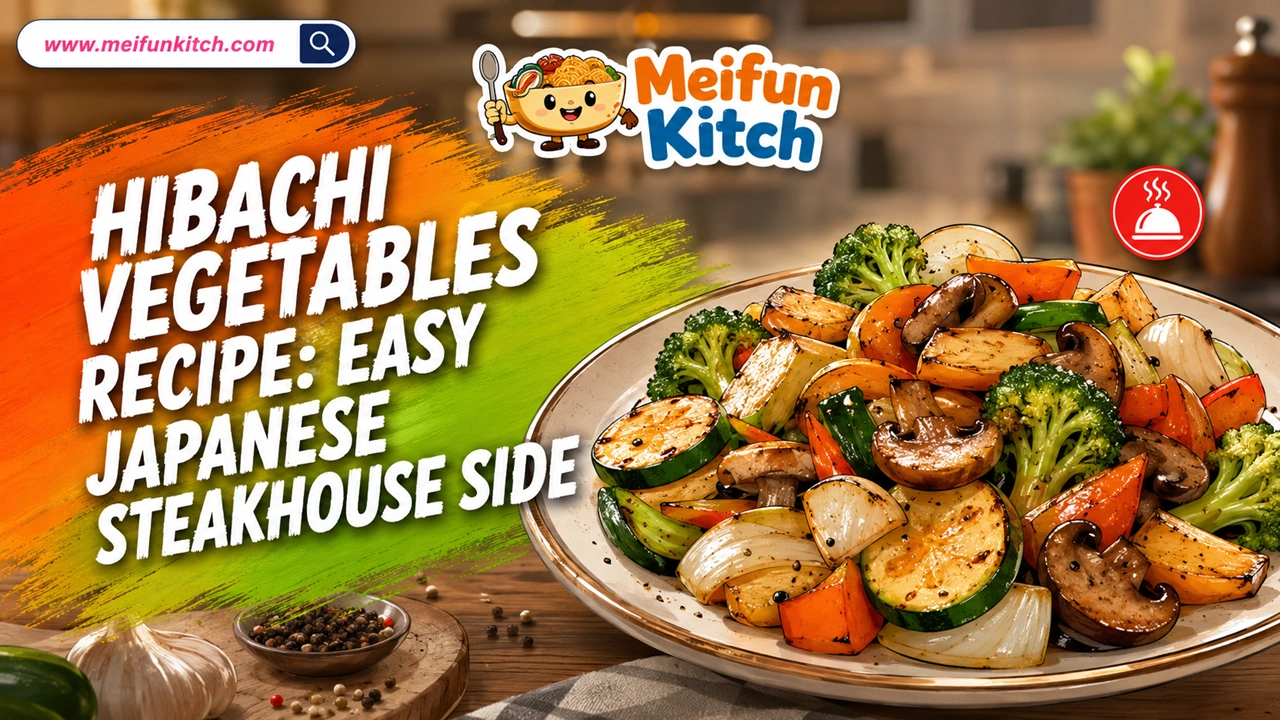
Hibachi vegetables are fresh vegetables cooked quickly over high heat with oil, garlic, butter, and soy sauce. The result is tender-crisp vegetables with browned edges and a savory flavor. You can make this Japanese-steakhouse-style side dish in about 20 minutes. You also need only a skillet, griddle, or wok. Popular choices include zucchini, onions, mushrooms, broccoli, carrots, and bell peppers. The exact vegetable mix varies between restaurants.
The secret to excellent hibachi vegetables is high heat and proper timing. A hot cooking surface creates caramelized edges instead of steaming the vegetables. Also, cooking vegetables in batches prevents overcrowding. This method helps preserve their color, texture, and fresh flavor.
Plan Your Perfect Week of Meals
Build a personalized weekly diet plan in minutes — balanced meals, made simple.
You can serve hibachi vegetables with fried rice, noodles, chicken, shrimp, steak, tofu, or grilled seafood. They also work well as a quick vegetarian meal. This recipe gives you restaurant-style flavor without requiring a commercial hibachi grill.
Why Make Hibachi Vegetables at Home?
Homemade hibachi vegetables offer several advantages. First, you control the vegetables, seasonings, oil, and butter. Therefore, you can easily adjust the recipe for your family. You can also reduce sodium by choosing low-sodium soy sauce.
Another advantage comes from speed. Most hibachi vegetables recipes take roughly 20 to 30 minutes. Several current recipes use zucchini, onions, mushrooms, broccoli, peppers, or carrots. This makes the dish useful for busy weeknight dinners.
You can also prepare hibachi vegetables with inexpensive supermarket ingredients. You do not need special restaurant equipment. A large cast-iron skillet can create excellent browning because it retains strong heat.
What Makes Hibachi-Style Vegetables Different?
The biggest difference comes from the cooking method. Traditional restaurant-style preparation uses a very hot flat cooking surface. The vegetables cook rapidly and develop browned spots.
Many home recipes recreate hibachi vegetables with a skillet or griddle. The method works because a large, hot surface provides enough contact for browning. The key involves avoiding excessive stirring. Let the vegetables sit briefly so their cut surfaces can brown.
Are Hibachi Vegetables Actually Japanese?
The word hibachi refers to a Japanese heating device. However, the theatrical restaurant style familiar in the United States usually relates to teppanyaki-style cooking. American Japanese steakhouses commonly cook meats, seafood, rice, and vegetables on large flat-top surfaces.
Therefore, hibachi vegetables are best described as Japanese-steakhouse-style vegetables. Their exact preparation differs between restaurants. Some versions use garlic butter and soy sauce. Others use teriyaki sauce, sesame oil, or simple seasoning.
Best Vegetables for Hibachi Vegetables
The best hibachi vegetables combine different textures and cooking times. Zucchini provides tenderness, while onions become sweet and lightly caramelized. Mushrooms add a meaty texture and deep savory flavor.
Broccoli adds firmness and color. Carrots provide sweetness and crunch. Bell peppers contribute brightness and a slightly sweet taste. Yellow squash also works particularly well with zucchini.
Classic Vegetable Combination
A reliable combination for hibachi vegetables includes zucchini, onion, mushrooms, and broccoli. This mixture creates contrasting textures without requiring complicated preparation. It also cooks quickly when you cut everything into similar-sized pieces.
For a colorful plate, add red bell pepper and carrots. You can also include yellow squash, green onions, or baby corn. Several popular recipes use different combinations, so there is no single mandatory vegetable list.
Vegetable Preparation Guide
| Vegetable | Suggested Cut | Cooking Time | Main Benefit |
|---|---|---|---|
| Zucchini | Thick half-moons or sticks | 4–6 minutes | Tender texture |
| Onion | Thick chunks | 5–7 minutes | Sweet caramelization |
| Mushrooms | Halves or thick slices | 5–7 minutes | Deep umami flavor |
| Broccoli | Small florets | 5–7 minutes | Firm texture |
| Carrots | Thin diagonal slices | 6–8 minutes | Natural sweetness |
| Bell pepper | Thick strips | 4–6 minutes | Color and sweetness |
| Yellow squash | Thick half-moons | 4–6 minutes | Mild flavor |
| Green onion | Short pieces | 2–3 minutes | Fresh finish |
Hibachi Vegetables Ingredients
For flavorful hibachi vegetables, keep the ingredient list simple. Fresh vegetables should provide most of the flavor. Garlic, butter, oil, and soy sauce then create the savory finish.
Use a neutral high-heat oil such as avocado, canola, vegetable, grapeseed, or safflower oil. Restaurant-style recipes commonly use neutral oils because they do not overpower the vegetables.
Main Ingredients
For four servings of hibachi vegetables, prepare the following ingredients:
| Ingredient | Amount | Purpose |
|---|---|---|
| Zucchini | 2 medium | Tender base |
| Onion | 1 medium | Sweetness |
| Mushrooms | 8 ounces | Umami flavor |
| Broccoli | 2 cups | Crunch and color |
| Neutral oil | 2 tablespoons | High-heat cooking |
| Butter | 2 tablespoons | Rich flavor |
| Garlic | 2–3 cloves | Savory aroma |
| Soy sauce | 1–2 tablespoons | Salt and umami |
| Black pepper | ¼ teaspoon | Gentle heat |
| Sesame seeds | 1 teaspoon | Optional garnish |
These ingredients create classic hibachi vegetables without requiring a complicated sauce. You can add ginger, sesame oil, teriyaki sauce, or lemon juice when you want a different flavor profile.
Choosing the Right Oil
Oil plays an important role when preparing hibachi vegetables. Choose an oil that handles high heat without adding a strong flavor. Vegetable, canola, grapeseed, avocado, and safflower oil work well.
Avoid using too much oil. Excess oil can make the vegetables greasy and prevent proper browning. Instead, coat the hot surface lightly and add more only when necessary.
Choosing Soy Sauce
Soy sauce gives hibachi vegetables their familiar salty, savory taste. Regular soy sauce works well, but low-sodium soy sauce gives you better control.
For a gluten-free version, use certified gluten-free tamari. Coconut aminos can also provide a soy-free alternative. However, the flavor will differ slightly.
How to Make Hibachi Vegetables
The cooking process for hibachi vegetables is straightforward. First, wash and dry all vegetables thoroughly. Excess water creates steam and reduces browning.
Next, cut the vegetables into consistent pieces. Similar sizes help everything cook evenly. Keep harder vegetables slightly thinner than softer vegetables.
Heat your skillet before adding the oil. The surface should become very hot. Then add the vegetables in stages instead of dumping everything together.
Step 1: Prepare the Vegetables
For hibachi vegetables, preparation matters almost as much as cooking. Cut zucchini into thick half-moons or short sticks. Cut onions into chunks rather than thin slices.
Slice mushrooms thickly because they shrink during cooking. Divide broccoli into small florets. Cut carrots into thin diagonal pieces so they cook quickly.
Pat the vegetables dry before cooking. This simple step helps create better browning. Also, keep prepared vegetables near the stove before you begin.
Step 2: Heat the Cooking Surface
Place a large skillet or griddle over medium-high to high heat. Let it heat for several minutes. Then add a small amount of neutral oil.
A hot surface helps hibachi vegetables develop browned edges quickly. If the pan feels cool after adding vegetables, wait before adding more ingredients.
Avoid overcrowding the pan. Too many vegetables release moisture and lower the cooking temperature. Cook in batches when necessary.
Step 3: Cook the Harder Vegetables
Start with carrots and broccoli because they need more time. Cook them for several minutes while turning occasionally.
Next, add onions and mushrooms. Allow them to contact the cooking surface long enough to develop browned edges. Do not constantly stir the vegetables.
Step 4: Add Softer Vegetables
Add zucchini, yellow squash, and bell peppers after the harder vegetables begin softening. These vegetables cook faster and can become mushy when overcooked.
Continue cooking hibachi vegetables until they become tender but retain some bite. The finished vegetables should look glossy and lightly browned.
Step 5: Add Garlic Butter and Soy Sauce
Push the vegetables toward one side of the pan. Add butter and minced garlic to the open area. Let the garlic become fragrant without burning it.
Then combine everything and add soy sauce. Toss quickly so the sauce coats the vegetables evenly. Remove the pan from the heat soon afterward.
This final step gives hibachi vegetables their characteristic savory, buttery finish. Some recipes also use a garlic butter mixture prepared separately.
How to Get Perfectly Crisp Hibachi Vegetables
The biggest mistake with hibachi vegetables involves overcrowding. Vegetables need enough surface contact with the hot pan. When the pan becomes crowded, moisture builds up and creates steam.
Use a wide skillet whenever possible. A cast-iron skillet works especially well because it holds heat effectively. A large stainless-steel skillet also produces strong browning.
Keep the Pan Very Hot
High heat helps hibachi vegetables cook quickly. However, high heat requires attention. Garlic and butter can burn if you add them too early.
Start with oil, cook the vegetables, and add butter with garlic near the end. This method provides buttery flavor without burning the garlic.
Do Not Stir Too Much
Constant stirring prevents proper browning. Place the vegetables in the pan and let them cook undisturbed for short periods.
Turn them when the bottoms develop golden-brown spots. This technique gives hibachi vegetables a better texture and stronger roasted flavor.
Cook Vegetables in Batches
If your pan cannot hold the vegetables comfortably, use batches. This takes slightly longer but produces much better results.
Cook mushrooms separately when needed because they release considerable moisture. Zucchini also benefits from extra space because it softens quickly.
Hibachi Vegetables Sauce Options
The simplest sauce for hibachi vegetables combines soy sauce, garlic, and butter. This combination delivers saltiness, richness, and savory depth.
For more complexity, add a small amount of ginger, sesame oil, mirin, or teriyaki sauce. Some recipes use a sweet-savory sauce containing soy sauce, mirin, and honey.
Classic Garlic Butter Sauce
For an easy garlic butter sauce, combine softened butter with minced garlic. Add a small amount of soy sauce and black pepper.
You can prepare the mixture before cooking. Then add it near the end of cooking. This approach makes hibachi vegetables taste rich without requiring a long sauce preparation.
Teriyaki-Style Sauce
For sweeter hibachi vegetables, use a small amount of teriyaki sauce. Teriyaki adds sweetness, saltiness, and a glossy finish.
Do not add too much sauce. Excess liquid can soften the vegetables. Start with one tablespoon and increase it only if needed.
Spicy Hibachi Sauce
Add crushed red pepper flakes or a small amount of chili garlic sauce for heat. You can also add freshly ground black pepper.
Keep the spicy ingredient moderate. The vegetables should still taste fresh rather than being overwhelmed by heat.
Hibachi Vegetables Without Butter
You can easily make hibachi vegetables without butter. Replace butter with additional neutral oil or use toasted sesame oil for part of the finishing fat.
A vegan version works especially well with soy sauce, garlic, ginger, and sesame seeds. Make sure your sauces contain no animal-derived ingredients.
Vegan Version
For vegan hibachi vegetables, use neutral oil instead of butter. Add minced garlic and ginger during the final cooking stage.
Finish the dish with soy sauce and sesame seeds. The result remains savory and satisfying without dairy.
Gluten-Free Version
For gluten-free hibachi vegetables, replace regular soy sauce with certified gluten-free tamari. Check every packaged sauce carefully.
Some teriyaki sauces contain wheat. Therefore, choose a clearly labeled gluten-free version if you use teriyaki sauce.
Healthy Hibachi Vegetables
Hibachi vegetables can form a nutritious side dish because they contain several types of vegetables. However, calories increase when you use large amounts of butter or oil.
You can reduce added fat while maintaining flavor. Use enough oil for browning, then finish with a small amount of butter. You can also skip butter completely.
Are Hibachi Vegetables Healthy?
Yes, hibachi vegetables can fit into a balanced diet. Vegetables provide fiber, vitamins, minerals, and plant compounds. The nutritional profile depends on the vegetables and cooking ingredients.
For a lighter version, increase broccoli, peppers, mushrooms, and zucchini. Use less butter and choose low-sodium soy sauce.
How Many Calories Do Hibachi Vegetables Have?
Calories vary widely because recipes use different vegetables, oils, butter, and sauces. Published recipes show substantially different calorie estimates per serving.
Therefore, avoid treating one calorie number as universal. For accurate tracking, calculate the nutrition from your exact ingredients and serving size.
What to Serve With Hibachi Vegetables
Hibachi vegetables pair naturally with Japanese-steakhouse-style meals. Serve them with hibachi chicken, steak, shrimp, salmon, or tofu.
You can also create a complete bowl with rice and a flavorful sauce. Fried rice provides a classic restaurant-style combination.
Hibachi Chicken and Vegetables
Serve hibachi vegetables with sliced chicken cooked in soy sauce, garlic, and butter. The mild chicken balances the savory vegetables.
Add fried rice and yum yum sauce for a complete restaurant-inspired dinner. Keep the vegetables slightly crisp so they contrast with the tender chicken.
Hibachi Steak and Vegetables
Steak pairs especially well with hibachi vegetables because both ingredients develop strong browned flavors. Cook thin steak pieces quickly over high heat.
Serve the steak beside the vegetables with steamed rice or fried rice. A creamy dipping sauce can provide additional richness.
Hibachi Shrimp and Vegetables
Shrimp cooks quickly, making it ideal for a fast meal. Pair garlic-seasoned shrimp with hibachi vegetables and rice.
Add lemon juice near the end for brightness. The acidity balances the buttery and salty flavors.
Hibachi Vegetables With Rice or Noodles
You can turn hibachi vegetables into a complete meal by adding rice or noodles. White rice provides a neutral base that allows the vegetables to stand out.
Brown rice adds more texture and a nuttier flavor. Fried rice creates a richer restaurant-style plate.
Hibachi Vegetable Rice Bowl
For a simple bowl, place cooked rice into a serving dish. Add hot hibachi vegetables over the top.
Then add grilled tofu, chicken, shrimp, or steak. Finish with sesame seeds and a small amount of sauce.
Hibachi Vegetable Noodles
Add cooked noodles to hibachi vegetables after the vegetables finish cooking. Toss everything with a little soy sauce and sesame oil.
Chow mein, yakisoba-style noodles, or thin wheat noodles can work well. Keep the sauce light to prevent the dish from becoming heavy.
Common Mistakes When Making Hibachi Vegetables
Many problems with hibachi vegetables come from low heat, excess moisture, or overcooking. Fortunately, these mistakes are easy to correct.
Start with a hot pan and dry vegetables. Also, cook ingredients according to their firmness instead of adding everything simultaneously.
Why Are My Vegetables Mushy?
Mushy hibachi vegetables usually result from excess moisture or overcooking. A crowded pan traps steam and prevents browning.
Use a larger skillet or cook smaller batches. Also, avoid adding watery vegetables in excessive quantities.
Why Do My Vegetables Lack Flavor?
Flavorless hibachi vegetables may need better browning or stronger seasoning. Make sure your pan becomes hot before cooking.
Add garlic, butter, soy sauce, and black pepper near the end. Taste before serving and adjust seasoning carefully.
Why Did My Garlic Burn?
Garlic burns quickly on very high heat. Adding garlic at the beginning can create bitter flavors.
Instead, cook the vegetables first. Add garlic with butter during the final few minutes. This technique gives hibachi vegetables a stronger garlic aroma without bitterness.
How to Store Hibachi Vegetables
Allow hibachi vegetables to cool slightly before placing them in an airtight container. Refrigerate leftovers promptly.
Stored leftovers generally work best when consumed within several days. Use your refrigerator’s safe food-storage practices and discard food that develops an unusual smell, appearance, or texture.
How to Reheat Hibachi Vegetables
A skillet provides the best reheating method for hibachi vegetables. Heat the skillet over medium-high heat and add a small amount of oil.
Add the vegetables and cook until heated through. Avoid prolonged cooking because reheating can make zucchini and mushrooms too soft.
Some recipe sources also recommend microwave or air-fryer reheating for convenience.
Can You Freeze Hibachi Vegetables?
You can freeze cooked vegetables, but the texture may change. High-water vegetables such as zucchini can become softer after thawing.
For best quality, prepare hibachi vegetables fresh whenever possible. If you freeze leftovers, use them later in rice bowls, noodles, soups, or stir-fries.
Hibachi Vegetables Variations
One benefit of hibachi vegetables is their flexibility. You can change the vegetable mixture according to season, preference, or availability.
Use asparagus during spring, snap peas for extra crunch, or cabbage for a heartier version. Keep the pieces similar in size so they cook evenly.
Mushroom Hibachi Vegetables
Mushrooms add deep umami flavor to hibachi vegetables. Button mushrooms, cremini mushrooms, and shiitake mushrooms all work well.
Cut larger mushrooms into halves or quarters. Cook them until their moisture evaporates and browned edges appear.
Broccoli Hibachi Vegetables
Broccoli adds color and firmness. Cut large florets into smaller pieces so the stems and crowns cook evenly.
For very thick broccoli stems, slice them thinly. This approach allows hibachi vegetables to become tender without burning the outside.
Pepper and Onion Hibachi Vegetables
Bell peppers and onions create a naturally sweet combination. Use red, yellow, orange, or green peppers.
Cut both vegetables into similar-sized strips or chunks. Cook them until lightly charred while keeping some firmness.
Restaurant-Style Hibachi Vegetables Tips
Restaurant-style hibachi vegetables depend more on technique than expensive ingredients. The cooking surface must remain hot throughout the process.
Prepare everything before turning on the stove. Hibachi-style cooking moves quickly, so you should not stop to chop vegetables during cooking.
Use a Large Flat Surface
A large griddle gives hibachi vegetables plenty of space. However, a large cast-iron skillet can provide excellent results at home.
Avoid small pans when cooking several servings. Cook in batches if your skillet cannot hold everything comfortably.
Cut Vegetables Correctly
Cutting vegetables correctly improves both texture and appearance. Thick zucchini pieces remain juicy, while thin carrots cook faster.
For hibachi vegetables, consistent cuts create more even cooking. However, you can deliberately cut hard vegetables thinner than soft vegetables.
Finish With Fresh Garnishes
Sesame seeds provide a simple finishing touch. Chopped green onions can add freshness and color.
A small squeeze of lemon can also brighten hibachi vegetables. Add it after cooking rather than during high-heat frying.
Hibachi Vegetables for a Quick Restaurant-Style Side Dish
Hibachi-style cooking gives ordinary vegetables a rich, savory flavor with very little effort. A hot skillet creates browned edges while keeping the centers tender and fresh. This method works especially well for busy weeknight dinners because preparation takes only a few minutes. You can use a mix of zucchini, onions, mushrooms, broccoli, carrots, and peppers based on what you have available.
The best results come from using a wide pan and cooking the ingredients in stages. Hard vegetables need more time, while softer vegetables cook quickly. A small amount of oil helps create a good sear, while butter, garlic, and soy sauce add the familiar Japanese steakhouse flavor. This simple combination also works with rice, noodles, chicken, shrimp, or tofu.
Best Vegetables for a Japanese Steakhouse Recipe
Zucchini, onions, mushrooms, broccoli, carrots, and bell peppers make an excellent combination for a Japanese steakhouse recipe. Each vegetable contributes a different texture and flavor. Mushrooms provide savory depth, onions become lightly sweet, and zucchini adds a tender texture. Broccoli and carrots bring more bite and color.
You can also add yellow squash, cabbage, snap peas, or baby corn. However, choose vegetables with similar cooking needs whenever possible. Thinly sliced carrots cook faster than thick pieces, while broccoli florets may need extra time. Good preparation helps create a balanced restaurant-style vegetable side dish.
Best Pan for High-Heat Vegetable Cooking
A large cast-iron skillet works very well for high-heat vegetable cooking because it retains heat during searing. A stainless-steel skillet or flat griddle can also produce excellent results. The key is creating enough surface area for the vegetables to brown instead of steaming.
Preheat the pan before adding oil. Then add the vegetables without overcrowding the surface. When too many vegetables enter the pan together, they release moisture and lower the temperature. Cooking in smaller batches creates better caramelized vegetable edges and a more satisfying texture.
How to Get Tender-Crisp Vegetables
Tender-crisp vegetables require careful timing. Start with firmer ingredients such as carrots and broccoli. Then add onions, mushrooms, peppers, and zucchini as the cooking continues. This approach prevents delicate vegetables from becoming soft before the harder ingredients finish.
Avoid constant stirring because vegetables need contact with the hot surface. Allow them to brown for a short time before turning them. This technique creates seared vegetables with browned edges while keeping enough firmness in the center. Finish with seasoning only after the vegetables develop good color.
Hibachi Vegetables With Garlic Butter and Soy Sauce
Garlic butter and soy sauce create one of the easiest flavor combinations for this cooking style. Butter adds richness, while garlic provides a strong savory aroma. Soy sauce contributes saltiness and umami without requiring a complicated homemade sauce. Together, these ingredients create a familiar hibachi-style sauce that works with almost any vegetable combination.
For better flavor, add the butter and garlic toward the end rather than at the beginning. Very high heat can burn garlic quickly. Cook the vegetables first, then add the finishing ingredients during the final stage. This method keeps the garlic fragrant and gives the vegetables a glossy coating without making them greasy.
How to Make Garlic Butter Seasoning
Softened butter mixed with fresh minced garlic creates a quick garlic butter seasoning for vegetables. You can prepare this mixture before cooking and keep it ready beside the stove. Fresh garlic usually gives a stronger aroma than prepared garlic products.
Add the mixture after the vegetables become lightly browned. Toss everything quickly so the butter coats each piece. A small amount of black pepper can add extra depth. You can also include grated ginger for a more pronounced Japanese-inspired vegetable flavor.
Using Soy Sauce Without Making Vegetables Salty
Soy sauce should enhance the vegetables rather than cover their natural flavor. Start with a small amount and taste before adding more. Low-sodium soy sauce gives you greater control, especially when using butter and other salty ingredients.
For a gluten-free option, choose gluten-free tamari instead of regular soy sauce. You can also use coconut aminos when you need a soy-free alternative. Add sauces near the end so the vegetables can brown before the liquid reaches the pan.
Adding Sesame Oil and Ginger
A small amount of toasted sesame oil can provide a deep nutty aroma. However, it works best as a finishing ingredient rather than the main cooking oil. Add only a few drops after turning down the heat for a balanced sesame vegetable flavor.
Fresh ginger adds warmth and brightness. Grate it finely so it blends smoothly with the sauce. Ginger pairs especially well with mushrooms, onions, broccoli, and zucchini. Together, ginger and sesame oil can give a simple vegetable dish a more complex Asian-inspired flavor profile.
Hibachi Vegetables for Chicken, Steak, and Shrimp
These vegetables pair naturally with grilled proteins, making them ideal for a complete dinner. Chicken, steak, and shrimp all work well because their savory flavors complement browned vegetables. Serve everything with steamed rice or fried rice for a satisfying Japanese steakhouse dinner at home.
You can cook the vegetables separately from the protein or prepare them in the same pan. Cooking them separately often gives you better control over texture. Once both components finish, combine them briefly with sauce. This keeps the meat juicy while preserving the vegetables’ crisp edges.
Hibachi Chicken and Vegetable Dinner
Chicken pairs beautifully with zucchini, onions, mushrooms, and peppers. Cut boneless chicken into small pieces so it cooks quickly over high heat. Season lightly before searing, then add a little soy sauce during the final stage.
Serve the chicken beside a colorful vegetable mixture and steamed rice. For extra flavor, add homemade yum yum sauce or a light garlic sauce. This combination creates a filling weeknight meal without requiring complicated preparation or specialty ingredients.
Steak With Seared Vegetables
Thin strips of steak cook quickly and develop excellent browning in a hot skillet. Sirloin and similar tender cuts work well for a hibachi steak dinner. Slice the meat against the grain for a more tender bite.
Pair the steak with mushrooms, onions, zucchini, and peppers. Their caramelized edges complement the savory beef. A small amount of butter and soy sauce can bring the components together. Serve everything with fried rice or noodles for a hearty restaurant-style plate.
Shrimp and Vegetable Combination
Shrimp cooks faster than most vegetables, so it should enter the pan at the appropriate time. Clean and dry the shrimp thoroughly before cooking. Then sear it quickly until opaque and lightly browned.
For a hibachi shrimp meal, combine shrimp with broccoli, zucchini, mushrooms, and bell peppers. Finish with garlic, butter, and a small amount of soy sauce. A squeeze of lemon can brighten the final dish and balance the richer ingredients.
Hibachi Vegetables for Healthy and Dietary-Friendly Meals
This cooking method can easily fit into a balanced eating plan. Vegetables naturally provide fiber, vitamins, minerals, and different plant compounds. You can also control the amount of added fat and sodium when preparing the dish at home. That makes this approach useful for people looking for a healthy Japanese-inspired side dish.
For a lighter version, use less butter and focus on fresh vegetables. Choose low-sodium soy sauce and increase broccoli, mushrooms, peppers, and zucchini. You can also add tofu or another lean protein to create a complete low-calorie vegetable meal without sacrificing flavor.
Low-Calorie Cooking Method
A lower-calorie version depends mainly on portion control and cooking fat. Use a small amount of neutral oil and avoid excessive butter. Fresh garlic, ginger, black pepper, and green onions can add plenty of flavor without many calories.
Choose vegetables with different colors and textures to make the meal satisfying. Mushrooms provide a meaty texture, while broccoli and peppers add volume. This approach creates a filling low-calorie stir-fried vegetable dish that works well with rice or lean protein.
Gluten-Free Vegetable Option
A gluten-free version requires careful sauce selection. Regular soy sauce may contain wheat, so certified gluten-free tamari provides a simple alternative. Check labels on teriyaki sauces, seasoning blends, and other packaged ingredients before using them.
The vegetables themselves remain naturally gluten-free. Pair them with rice, gluten-free noodles, or a suitable protein. This creates an easy gluten-free Japanese-style dinner without changing the core cooking technique.
Vegan Vegetable Version
You can make the dish vegan by replacing dairy butter with olive oil, avocado oil, or vegan butter. Garlic, ginger, soy sauce, and sesame seeds can provide plenty of flavor without animal products.
To build a complete meal, add tofu, edamame, or another plant-based protein. Serve the mixture over rice or noodles for a satisfying vegan Japanese-inspired meal. Keep the sauce light so the vegetables remain the main focus.
Hibachi Vegetables Storage, Reheating, and Meal Prep
Cooked vegetables can become softer after refrigeration, but proper storage helps preserve their flavor. Let the food cool reasonably before placing it into an airtight container. Refrigerate leftovers promptly and keep them chilled until you are ready to reheat them. This makes them useful for easy meal prep vegetables during busy weeks.
For the best texture, reheat leftovers in a hot skillet instead of relying only on the microwave. A quick reheating process restores some of the browned flavor. Avoid cooking them for too long because zucchini and mushrooms can soften quickly. Freshly cooked vegetables still provide the best restaurant-style texture.
Best Way to Store Cooked Vegetables
Place cooled vegetables in a clean airtight container and refrigerate them. Store sauces separately when possible because excess liquid can soften the texture. Keeping the components separate also makes reheating easier.
For weekly meal prep, portion the vegetables into individual containers with rice and protein. This creates ready-to-eat lunches that require little preparation. Keep garnishes, sauces, and fresh herbs separate until serving for better flavor and texture.
How to Reheat Without Making Them Soggy
Heat a skillet over medium-high heat and add a small amount of oil. Spread the vegetables across the surface rather than piling them into one area. Let them heat briefly before tossing.
This method helps restore some of the original sear. For a quick reheating method for cooked vegetables, avoid adding water unless the vegetables have become extremely dry. A dry, hot pan usually provides better texture.
Can You Freeze Cooked Vegetables?
Freezing is possible, but vegetables with high water content can become softer after thawing. Zucchini and mushrooms often lose some of their original texture. Therefore, freezing works better when you plan to use the vegetables in rice bowls, noodles, or stir-fries.
For better freezer-friendly vegetable meal prep, slightly undercook the vegetables before freezing. Cool them quickly, package them well, and thaw them safely. Then reheat them over high heat for a short period to improve the final texture.
Frequently Asked Questions About Hibachi Vegetables
What Vegetables Are Usually Used for Hibachi?
Common hibachi vegetables include zucchini, onions, mushrooms, broccoli, carrots, and bell peppers. However, restaurants use different combinations. Some recipes focus on zucchini and onions, while others include several vegetables.
What Is Hibachi Vegetable Sauce Made Of?
A basic sauce for hibachi vegetables often uses soy sauce, garlic, butter, and sometimes sesame oil. Other recipes use teriyaki-style sauces containing soy sauce and sweet ingredients.
How Do Japanese Steakhouses Cook Vegetables?
Japanese steakhouses typically cook vegetables quickly over a very hot flat-top surface. The high heat helps create browned edges while preserving a tender-crisp texture. Home cooks can recreate hibachi vegetables with a hot skillet or griddle.
Can I Make Hibachi Vegetables Without a Hibachi Grill?
Yes, you can make hibachi vegetables without a hibachi grill. A large cast-iron skillet, stainless-steel skillet, wok, or griddle works well. The most important factor is maintaining strong heat.
Are Hibachi Vegetables Gluten-Free?
Hibachi vegetables can be gluten-free when prepared with certified gluten-free tamari or another suitable sauce. Regular soy sauce commonly contains wheat. Always check packaged sauces and seasonings before using them.
Can I Make Hibachi Vegetables Vegan?
Yes, hibachi vegetables can easily become vegan. Replace butter with neutral oil or vegan butter. Then use soy sauce, garlic, ginger, and vegetables of your choice.
What Oil Is Best for Hibachi Vegetables?
Neutral oils with suitable high-heat performance work well for hibachi vegetables. Canola, vegetable, grapeseed, avocado, and safflower oil are practical options. Use enough oil to coat the cooking surface without making the vegetables greasy.
How Do You Keep Hibachi Vegetables From Getting Soggy?
To keep hibachi vegetables crisp, dry the vegetables before cooking and avoid overcrowding the pan. Use high heat and cook in batches when necessary. Also, avoid adding excessive sauce.
Can I Use Frozen Vegetables for Hibachi?
Yes, but fresh vegetables usually provide better texture. If you use frozen vegetables, thaw and drain them thoroughly first. Excess water can make hibachi vegetables steam instead of sear.
What Makes Hibachi Vegetables Taste Like a Restaurant?
Strong heat, proper browning, garlic, butter, and soy sauce create the familiar restaurant-style flavor. The cooking method matters as much as the ingredients. This combination gives hibachi vegetables their savory and slightly caramelized character.
Final Tips for the Best Hibachi Vegetables
The best hibachi vegetables start with fresh, dry vegetables and a very hot cooking surface. Cut everything before cooking, because the process moves quickly.
Cook hard vegetables first and softer vegetables later. Give each ingredient enough space to brown. Then finish with garlic butter and soy sauce.
For the best texture, do not overcook the vegetables. They should remain tender-crisp rather than soft. Taste the finished dish before serving and adjust the seasoning.
You can also customize hibachi vegetables for almost any meal. Add mushrooms for umami, broccoli for texture, peppers for sweetness, or carrots for color. Use tofu or another protein when you want a complete vegetarian meal.
Ultimately, hibachi vegetables provide an easy way to recreate Japanese-steakhouse flavors at home. You do not need expensive equipment or complicated ingredients. With high heat, careful timing, and fresh vegetables, you can create a flavorful side dish in about 20 minutes.

Alex Balducci
Author43 Published Articles
Alex Balducci is a nutritionist, food writer, and health enthusiast dedicated to helping readers make informed dietary choices through reliable, easy-to-understand content. With a passion for nutrition, healthy eating, and balanced lifestyles, Alex creates well-researched articles covering nutrition facts, wholesome recipes, meal planning, and ingredient guides
EducationB.Sc. in Nutrition and Dietetics.
Experience10 Years.
ExpertiseWrites About Nutrition Facts