
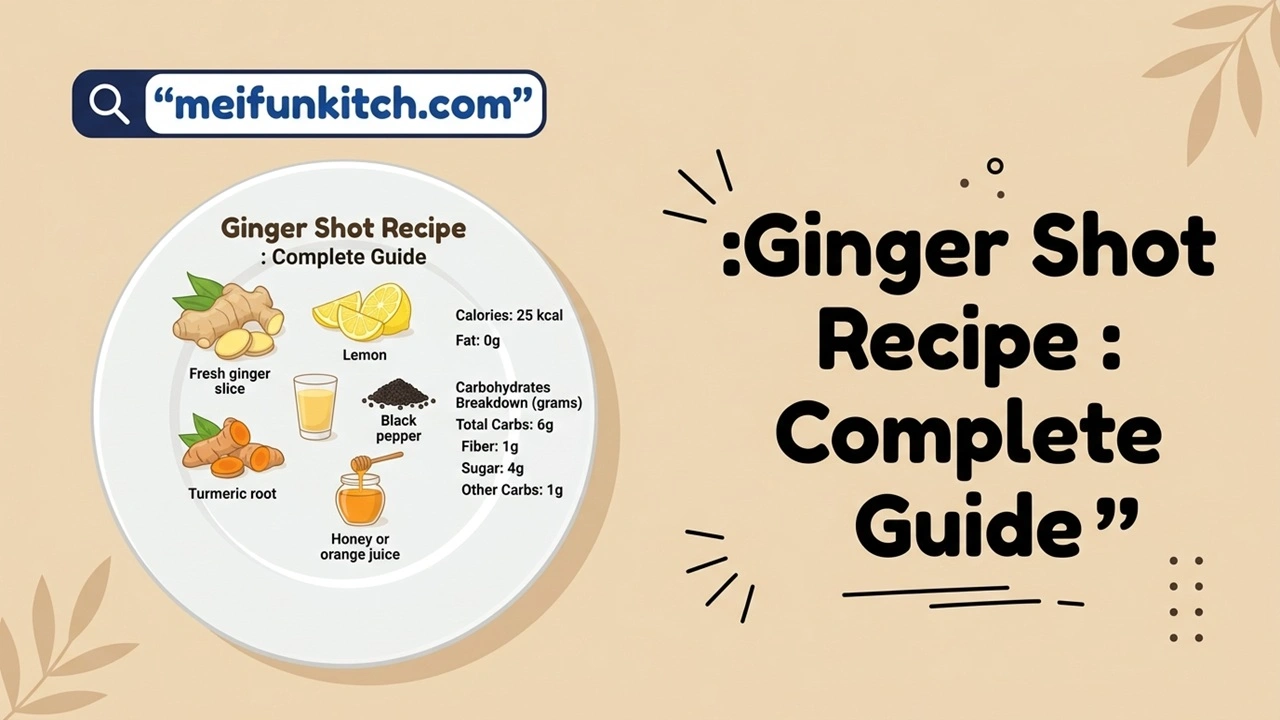
If you want a simple ginger shot recipe that actually works, blend 1 cup of fresh peeled ginger with 1/2 cup of water, the juice of one lemon, a pinch of black pepper, and a tablespoon of honey, then strain the mixture through a cheesecloth and drink 1–2 ounces on an empty stomach. This concentrated, fiery little drink delivers a powerful dose of gingerol, vitamin C, and antioxidants in seconds, and it costs a fraction of what you’d pay at a juice bar. Below, you’ll find the exact method, five popular variations, storage tips, dosage guidance, and answers to the questions people ask most about making ginger shots at home.
Ginger shots have moved from niche wellness shops to nearly every grocery store cooler, and it’s easy to see why. They’re fast, portable, and pack an entire day’s worth of ginger into a single ounce or two of liquid. Instead of paying three or four dollars for a tiny bottle, you can make a week’s supply of your own ginger shot recipe at home for less than the price of one store-bought bottle, and you get full control over the sweetness, spice level, and add-ins like turmeric or cayenne.
This guide walks through everything you need to know to make, store, and customize your own ginger shots, whether you own a cold-press juicer or just have a blender and a fine-mesh strainer sitting in your kitchen cabinet. You'll also learn how much ginger shot you should actually drink each day, which ingredients boost absorption, who should be cautious with this drink, and how homemade versions stack up against the bottled kind sold at the store. By the end, you'll have a reliable, repeatable ginger shot recipe that fits your taste, your budget, and your health goals.
What Is a Ginger Shot?
A ginger shot is a small, concentrated beverage made primarily from fresh ginger root that's been juiced, blended, or pressed into a potent liquid. Unlike ginger tea, which is diluted and sipped slowly, a ginger shot is meant to be consumed quickly, usually in one or two swallows, because the flavor is intense and slightly spicy. Most people drink a ginger shot first thing in the morning or right before a workout for a quick energy and immunity boost.
The idea behind any ginger shot recipe is simple: concentrate the beneficial compounds in ginger, particularly gingerol, into a small serving so your body absorbs them efficiently without needing to drink several cups of tea. Because the dose is so concentrated, a proper ginger shot recipe usually yields just one to two ounces per serving rather than a full glass.
What Ginger Shots Are Made Of
At its core, a ginger shot recipe needs only two things: fresh ginger root and a liquid base, usually water, lemon juice, or apple juice. From there, most recipes add a handful of supporting ingredients to round out the flavor and amplify the health benefits. Common additions include:
- Fresh lemon juice for vitamin C and a tangy balance to the ginger's heat
- Raw or manuka honey for natural sweetness and additional antibacterial properties
- Ground or fresh turmeric for extra anti-inflammatory compounds
- A pinch of black pepper to help the body absorb turmeric's curcumin
- Cayenne pepper for those who want an extra metabolic kick
- Apple cider vinegar for people focused on digestion and blood sugar support
None of these additions are mandatory. Many people prefer a bare-bones ginger shot recipe using only ginger, lemon, and water, while others build a more elaborate blend with five or six ingredients. Either approach is valid, and this guide covers both.
Ginger Shot vs Ginger Tea vs Ginger Ale
People often confuse these three ginger-based drinks, but they're quite different in concentration, purpose, and nutritional value. The table below breaks down how a typical ginger shot compares to ginger tea and commercial ginger ale.
| Feature | Ginger Shot | Ginger Tea | Ginger Ale |
| Serving size | 1–2 oz | 8–12 oz | 8–12 oz |
| Ginger concentration | Very high | Low to moderate | Very low or artificial flavoring |
| Added sugar | Minimal (if homemade) | None to minimal | High (regular soda) |
| Best consumed | Quickly, in one swallow | Slowly, sipped hot | Slowly, chilled |
| Primary purpose | Immune and digestive boost | Relaxation, mild digestive aid | Flavor, occasional nausea relief |
| Typical calories | 10–65 per shot | 0–10 per cup | 90–120 per 8 oz |
As the table shows, a homemade ginger shot recipe delivers far more concentrated ginger per ounce than tea or soda, which is exactly why it's consumed in such small quantities.
Health Benefits of a Ginger Shot Recipe
Ginger has been used in traditional medicine for centuries, and modern research continues to support many of its traditional uses. A well-made ginger shot recipe delivers concentrated amounts of gingerol, the primary bioactive compound in fresh ginger, along with smaller amounts of vitamin C, potassium, and magnesium depending on the other ingredients used.
Ginger Shot Recipe Benefits: Anti-Inflammatory and Antioxidant Power
Gingerol, the compound responsible for ginger's spicy bite, has documented anti-inflammatory and antioxidant properties. Regularly consuming a ginger shot recipe may help the body manage everyday inflammation, which is linked to chronic pain, joint stiffness, and even long-term disease risk. While ginger won't provide the immediate relief of an over-the-counter pain reliever, many people find that consistent use over weeks helps dull chronic aches and reduce general inflammation markers.
Adding turmeric to your ginger shot recipe compounds this effect, since turmeric contains curcumin, another well-studied anti-inflammatory compound. Pairing turmeric with a pinch of black pepper is a common trick because piperine, the active compound in black pepper, significantly improves how well the body absorbs curcumin.
Ginger Shot Digestive and Immune Support
Ginger has long been used to calm an upset stomach, ease nausea, and support healthy digestion. A ginger shot recipe taken on an empty stomach may help stimulate saliva and digestive enzyme production, which can make meals easier to process afterward. This is part of why so many people build a ginger shot into their morning routine, taking it before breakfast rather than after a meal.
On the immune side, ginger's antibacterial and antiviral properties, combined with the vitamin C from lemon juice, make ginger shots a popular choice during cold and flu season. While a ginger shot recipe won't replace medical treatment for illness, it's a reasonable addition to a broader wellness routine focused on prevention.
Other Potential Benefits
Beyond inflammation, digestion, and immunity, some people incorporate a daily ginger shot recipe into their routine for these additional reasons:
- Supporting healthy blood sugar levels when consumed as part of a balanced diet
- Providing a natural, caffeine-free energy lift in the morning
- Helping ease occasional motion sickness or mild nausea
- Contributing small amounts of potassium and magnesium, especially when citrus is included
- Offering a low-calorie way to start the day compared to sugary juices or flavored coffee drinks
It's worth noting that most of these benefits are best supported when a ginger shot recipe is part of a consistent routine rather than a one-time fix, and none of them substitute for medical advice from a healthcare provider.
Best Ginger Shot Recipe (Classic Homemade Version)
This is the foundational ginger shot recipe most people search for: a simple, balanced blend of fresh ginger, lemon, black pepper, and a touch of honey. It's the version to master before experimenting with turmeric, cayenne, or apple cider vinegar variations later in this guide.
Ginger Shot Recipe Ingredients You'll Need
- 1 cup fresh ginger root, peeled and roughly chopped (about 6–8 ounces)
- 1/2 cup filtered water
- 2 lemons, juiced (about 1/4 cup lemon juice)
- 1 tablespoon raw honey or manuka honey (optional, adjust to taste)
- 1/8 teaspoon freshly ground black pepper
- Pinch of sea salt (optional, helps balance the heat)
Ginger Shot Recipe Step-by-Step Instructions
- Wash and peel the ginger. Scrub the ginger root under cold water, then peel it using the edge of a spoon or a vegetable peeler. You don't need to remove every bit of skin, just the roughest patches.
- Chop the ginger roughly. Cut the peeled ginger into one-inch pieces so it blends more easily.
- Blend everything together. Add the ginger, water, lemon juice, honey, black pepper, and salt to a high-speed blender. Blend on high for 60–90 seconds until completely smooth.
- Strain the mixture. Pour the blended liquid through a fine-mesh strainer lined with cheesecloth or a nut milk bag set over a bowl. Press or squeeze the pulp with a spoon or clean hands to extract as much liquid as possible.
- Transfer to bottles. Pour the strained ginger shot into small glass bottles or jars with tight-fitting lids, filling each to about 1–2 ounces per serving.
- Refrigerate and shake before drinking. Store in the refrigerator and shake well before each use, since natural separation is normal.
This method typically yields about six to eight 1-ounce servings, depending on how juicy your ginger root is and how thoroughly you strain it.
Nutrition Facts Table
The table below gives an approximate nutritional breakdown for one 1-ounce serving of this classic ginger shot recipe, made with honey and black pepper.
| Nutrient | Amount per 1 oz Serving |
| Calories | 10–15 kcal |
| Total Carbohydrates | 3–4 g |
| Sugars | 2–3 g |
| Protein | 0.2 g |
| Fat | 0 g |
| Vitamin C | 8–10 mg |
| Potassium | 60–85 mg |
| Sodium | 5–15 mg |
These values are approximate and will shift slightly depending on the size of your lemons, the type of honey used, and how much water you add. If you skip the honey entirely, you'll reduce both the calorie count and the sugar content, resulting in a nearly zero-sugar ginger shot recipe.
Ginger Shot Recipe Variations to Try
Once you're comfortable with the classic version, these variations let you tailor your ginger shot recipe to specific goals, whether that's extra anti-inflammatory power, a metabolism boost, or a milder flavor for beginners.
Ginger Turmeric Shot Recipe
This variation doubles down on anti-inflammatory benefits by combining ginger with fresh or ground turmeric.
- 1 cup fresh ginger, peeled and chopped
- 2-inch piece fresh turmeric root (or 1 teaspoon ground turmeric)
- 1/2 cup water
- Juice of 1 lemon
- 1/4 teaspoon black pepper
- 1 tablespoon honey (optional)
Blend all ingredients until smooth, strain, and bottle exactly as described in the classic recipe above. Because turmeric stains easily, use a glass or stainless-steel container rather than plastic, and consider wearing gloves when handling fresh turmeric root.
Ginger Lemon Shot Recipe
For those who want a brighter, more citrus-forward flavor with less heat, this simplified version leans heavily on lemon.
- 1/2 cup fresh ginger, peeled and chopped
- Juice of 3 lemons
- 1/2 cup water
- 1 tablespoon honey or maple syrup
This ginger lemon shot recipe is milder than the classic version and works well as an entry point for people who find straight ginger too intense.
Ginger Apple Cider Vinegar Shot Recipe
This variation is popular among people focused on digestion and blood sugar support, thanks to the addition of raw, unfiltered apple cider vinegar.
- 1/2 cup fresh ginger, peeled and chopped
- 2 tablespoons raw apple cider vinegar (with the "mother")
- 1/2 cup water
- Juice of 1 lemon
- 1 tablespoon honey to balance the acidity
Because apple cider vinegar is quite acidic, always dilute this shot with water and never drink it undiluted, as concentrated vinegar can irritate the throat and erode tooth enamel over time.
Ginger Cayenne Shot Recipe
For an extra metabolic kick, add a small amount of cayenne pepper to the classic base.
- 1 cup fresh ginger, peeled and chopped
- 1/2 cup water
- Juice of 2 lemons
- 1/8 teaspoon cayenne pepper
- 1 tablespoon honey
Start with a very small amount of cayenne, since it intensifies quickly. This ginger cayenne shot recipe is best suited for people who already enjoy spicy food and want an extra thermogenic boost alongside the standard ginger benefits.
How to Make a Ginger Shot Without a Juicer
Not everyone owns a cold-press juicer, and that's completely fine. A blender and a strainer will get you nearly identical results, just with a bit more manual effort.
Using a Blender Method
The blender method described in the classic recipe above works for any variation in this guide. The key is blending long enough, usually a full 60–90 seconds on high speed, to fully break down the ginger's tough fibers before straining. A high-powered blender will extract more liquid than a standard one, so if your blender struggles, add a little extra water to help it along, then simply strain out the excess afterward.
Using a Cheese Cloth or Nut Milk Bag
After blending, straining is the step that determines how smooth your final ginger shot will be. Here's how to get the most liquid out of your pulp:
- Line a fine-mesh strainer with a double layer of cheesecloth, or use a reusable nut milk bag.
- Pour the blended mixture into the lined strainer set over a bowl.
- Twist the cloth or bag closed around the pulp.
- Squeeze firmly from the top down, pressing all the liquid into the bowl below.
- Discard the leftover ginger fiber, or save it for tea, marinades, or compost.
This manual method typically extracts 85–90% of the liquid a dedicated juicer would produce, which is more than enough for a strong, effective ginger shot recipe.
Ginger Shot Recipe Equipment Comparison
If you're deciding how to invest in your ginger shot habit, this comparison can help you choose the right tool for your kitchen and budget.
| Method | Upfront Cost | Ease of Use | Yield Efficiency | Cleanup |
| Cold-press juicer | High ($150–$400) | Easy, minimal prep | Excellent (90–95%) | Moderate, several parts |
| High-speed blender + strainer | Moderate ($30–$150) | Moderate, requires straining | Good (85–90%) | Easy, mostly one bowl and cloth |
| Manual grating + squeezing | Low (under $10) | Time-consuming | Fair (60–70%) | Easy, minimal equipment |
For most home cooks, a blender paired with a nut milk bag offers the best balance of cost and convenience for making a ginger shot recipe regularly without a major kitchen investment.
How Much Ginger Shot Should You Drink Per Day?
Because ginger shots are so concentrated, moderation matters. Most nutrition experts suggest limiting fresh ginger intake to about 3–4 grams per day for the average healthy adult, which typically translates to one 1-to-2-ounce ginger shot daily.
Recommended Daily Ginger Shot Serving
For most people, one ginger shot per day is plenty to experience the potential benefits without risking digestive discomfort. If you're new to ginger shots, start with a half-ounce serving for the first few days and gradually work up to a full one-to-two-ounce dose as your body adjusts to the intensity. Drinking more than one full ginger shot in a single day isn't usually necessary and may increase the chance of heartburn or stomach upset in sensitive individuals.
Best Time to Drink Ginger Shots
Many people find that drinking a ginger shot first thing in the morning, before breakfast, works best because it's taken on an empty stomach when absorption tends to be most efficient. Others prefer taking their ginger shot about 20–30 minutes before a workout for an energizing effect. Avoid drinking a ginger shot right before bed, since its energizing qualities may interfere with falling asleep for some people.
Ginger Shot Recipe Storage Tips
A homemade batch won't stay fresh forever, so proper storage matters if you want to make a larger quantity of your ginger shot recipe at once.
Refrigerating Your Ginger Shots
Store fresh ginger shots in a sealed glass jar or bottle in the refrigerator for up to four to five days. Because natural separation happens quickly, always shake the container well before pouring a serving. If you notice a change in color, an off smell, or visible mold, discard the batch immediately rather than risking spoiled ginger.
Freezing Ginger Shots for Later
For longer storage, freezing is your best option. Pour the strained ginger shot recipe into an ice cube tray and freeze until solid, then transfer the cubes to a freezer-safe bag or container. Frozen ginger shot cubes will keep for up to three months. When you're ready to use one, either let it thaw in the refrigerator overnight or drop the frozen cube into a mug of hot water for an instant ginger tea alternative.
Potential Side Effects and Who Should Avoid Ginger Shots
While ginger shots are generally well tolerated, their concentrated nature means some people should approach them with caution.
Common Ginger Shot Side Effects
Drinking too much ginger, or drinking a ginger shot too quickly on an empty stomach, can sometimes lead to:
- Heartburn or acid reflux
- Mild stomach upset or gas
- A burning sensation in the mouth or throat
- Diarrhea if consumed in excessive amounts
These effects are usually mild and temporary, and they typically resolve by reducing the serving size or diluting the shot with a bit more water.
Who Should Be Cautious
Certain groups should talk to a healthcare provider before adding a daily ginger shot recipe to their routine, including:
- People taking blood-thinning medications such as warfarin, since ginger may have mild blood-thinning effects
- Individuals with diabetes who are on blood sugar-lowering medications, since ginger can influence blood sugar levels
- Pregnant individuals, who should consult their doctor about safe ginger intake levels
- Anyone with a diagnosed gallbladder condition, since ginger stimulates bile production
- People with a known ginger allergy or sensitivity
If you fall into any of these categories, it's worth having a quick conversation with your doctor before starting a daily ginger shot habit, even though ginger is broadly considered safe for most healthy adults in normal food amounts.
Ginger Shot Recipe Ingredient Substitutions
Not every kitchen has every ingredient on hand, and that's okay. Here's how to adapt your ginger shot recipe without sacrificing flavor or benefits.
Ginger Shot Sweetener Alternatives
If you're out of honey or prefer a different sweetener, try one of these substitutes in equal amounts:
- Maple syrup for a vegan-friendly option with a similar sweetness level
- Agave nectar for a milder, more neutral sweetness
- A small amount of stevia or monk fruit for a zero-sugar version
- Skip sweetener entirely for the lowest-calorie ginger shot recipe possible
Ginger Shot Citrus Alternatives
Lemon is the most common citrus choice, but these swaps work well too:
- Lime juice, which offers a similar acidity with a slightly different flavor profile
- Orange juice, which softens the ginger's heat and adds natural sweetness
- Pineapple juice, which pairs particularly well with a cayenne or turmeric variation
- Apple juice, a favorite for those who find citrus too tart alongside ginger
Ginger Shots vs Store-Bought: Cost and Quality Comparison
One of the biggest reasons people search for a homemade ginger shot recipe is cost. Store-bought ginger shots are convenient, but they add up quickly if you're drinking one daily.
| Factor | Homemade Ginger Shot | Store-Bought Ginger Shot |
| Cost per 1 oz serving | Approximately $0.30–$0.60 | Approximately $2.50–$4.00 |
| Ingredient control | Full control over sugar, spice, and add-ins | Fixed formula, limited customization |
| Freshness | Made fresh, no preservatives needed | May contain preservatives for shelf stability |
| Preparation time | 10–15 minutes active prep | None, ready to drink |
| Shelf life | 4–5 days refrigerated, 3 months frozen | Often several weeks unopened |
For anyone drinking a ginger shot daily, making a weekly batch at home can save well over fifty dollars a month compared to buying pre-made bottles, while also allowing full control over sugar content and spice level.
How to Choose the Best Ginger for Your Ginger Shot Recipe
Not all ginger root is created equal, and the quality of the ginger you start with directly affects the strength, flavor, and yield of your final ginger shot recipe. Consequently, it's worth spending an extra minute at the grocery store or farmers market selecting the right piece before you head home to blend.
What to Look For at the Store
When shopping for ginger, firstly look for roots that feel firm and heavy for their size, since this usually indicates freshness and a high moisture content. Additionally, the skin should be smooth and taut rather than wrinkled or shriveled, which is a sign the ginger has begun to dry out and lose potency. Furthermore, fresh ginger should smell peppery and slightly sweet when you snap off a small piece; if there's little to no aroma, the ginger has likely been sitting too long. Finally, avoid any root with soft spots, mold, or a musty smell, as these are clear signs of spoilage that will ruin an otherwise good ginger shot recipe.
Young Ginger vs Mature Ginger
Interestingly, the age of the ginger root also affects your final shot. Young ginger, which is often pale and thin-skinned, tends to be milder, juicier, and easier to blend, making it a great choice for beginners who want a gentler ginger shot recipe. Mature ginger, on the other hand, has thicker, more fibrous skin and a noticeably spicier bite, which experienced ginger shot drinkers often prefer for maximum intensity. Since mature ginger is more widely available in most supermarkets year-round, most classic recipes are built around it, though you can absolutely substitute young ginger if you find it and prefer a softer flavor.
Organic vs Conventional Ginger
Because ginger shots use the whole root, including the skin in many recipes, some people prefer to buy organic ginger to minimize pesticide exposure. That said, conventional ginger is perfectly safe to use as long as you wash and peel it thoroughly before blending. Ultimately, the choice between organic and conventional ginger comes down to personal preference and budget rather than a strict requirement for a safe, effective ginger shot recipe.
Common Mistakes to Avoid When Making a Ginger Shot Recipe
Even a simple ginger shot recipe can go wrong in a few predictable ways. Avoiding these common mistakes will save you time, ingredients, and frustration.
Using Too Much Ginger Too Soon
One of the most frequent mistakes beginners make is diving straight into a full-strength ginger shot recipe without building up tolerance first. Because ginger is naturally spicy and can irritate the throat or stomach in high concentrations, it's better to start with a half-ounce serving diluted with a little extra water, then gradually increase the ginger ratio over one to two weeks as your body adjusts.
Skipping the Straining Step
Another common error is skipping the straining process entirely and drinking the blended pulp as-is. While this isn't harmful, it results in a thick, fibrous texture that's genuinely unpleasant to swallow quickly, which defeats the purpose of a shot meant to be downed in one go. Taking the extra two minutes to strain through cheesecloth or a nut milk bag makes a noticeably smoother, more drinkable final product.
Storing Shots at Room Temperature
Because fresh ginger shots contain no preservatives, leaving a finished batch on the counter instead of refrigerating it promptly can lead to rapid spoilage, sometimes within just a day or two. Always transfer your ginger shot recipe to the refrigerator within an hour of making it, and never leave bottles sitting out overnight.
Overloading on Sweeteners
While a touch of honey or maple syrup helps balance ginger's heat, some recipes go overboard, turning a health-focused ginger shot recipe into a sugary treat that undermines the point of drinking it. As a general guideline, keep added sweeteners to no more than one tablespoon per cup of finished liquid, and taste as you go rather than following a fixed amount blindly.
Forgetting to Shake Before Drinking
Because natural separation occurs quickly in any fresh juice, forgetting to shake your ginger shot recipe before pouring can result in an inconsistent, watery-tasting first sip followed by an overly concentrated final sip. A quick shake each time ensures every serving tastes the same from the first bottle to the last.
Pairing Ginger Shots With Your Daily Routine
Beyond simply drinking a ginger shot on its own, many people find creative ways to weave their favorite ginger shot recipe into a broader daily wellness routine.
Adding Ginger Shots to Smoothies
If the intensity of a straight ginger shot feels like too much some mornings, try blending your prepared shot directly into a fruit or green smoothie instead. This approach mellows the heat while still delivering the same concentrated ginger benefits, and it works particularly well with mango, pineapple, or spinach-based smoothies.
Mixing Ginger Shots Into Sparkling Water
For a refreshing, lower-intensity alternative, pour a finished ginger shot into a glass of sparkling water with ice. This transforms a fast, fiery shot into a longer, more leisurely drink you can sip throughout the morning, similar to a homemade ginger ale but without the added sugar found in most commercial versions.
Using Ginger Shots in Cooking and Baking
Leftover ginger shot recipe batches don't have to be limited to drinking. A small splash can brighten up salad dressings, marinades for chicken or tofu, or even homemade baked goods like gingerbread or spiced muffins, giving you a way to use up a batch before it spoils.
Scaling Your Ginger Shot Recipe for a Week's Worth of Servings
Once you've settled on a favorite ginger shot recipe, batch-making a week's supply at once is far more efficient than starting from scratch every morning. Below is a simple guide to scaling the classic recipe up while keeping the ratios consistent.
Ginger Shot Recipe Weekly Batch Guide
| Servings Needed | Fresh Ginger | Water | Lemon Juice | Honey |
| 7 shots (1 week) | 2 cups | 1 cup | 1/2 cup | 2 tablespoons |
| 14 shots (2 weeks) | 4 cups | 2 cups | 1 cup | 4 tablespoons |
| 21 shots (3 weeks) | 6 cups | 3 cups | 1.5 cups | 6 tablespoons |
When scaling up, blend the ingredients in batches if your blender can't handle the full volume at once, then combine everything before straining. This ensures every bottle in your batch has a consistent flavor and potency, rather than some shots being stronger than others simply because of uneven blending.
Tips for Efficient Batch Prep
To make weekly batch prep even smoother, consider these practical tips:
- Prep all your ginger and lemons the night before to save time in the morning
- Use a large glass measuring cup with a spout to make pouring into small bottles easier and less messy
- Label each bottle with the date it was made so you always know how fresh it is
- Keep a dedicated shelf in the refrigerator door for your ginger shot recipe bottles so they're easy to grab on your way out the door
Frequently Asked Questions About Ginger Shot Recipe
What is the best ginger shot recipe for beginners?
The best starting point is the classic ginger shot recipe using fresh ginger, lemon juice, a small amount of honey, and a pinch of black pepper. This combination is balanced, not overly spicy, and gives you a good sense of how your body responds before you experiment with stronger variations like cayenne or apple cider vinegar.
Do ginger shots actually work?
Ginger shots deliver a concentrated dose of gingerol and other beneficial plant compounds that have research-backed anti-inflammatory and digestive benefits. They aren't a cure for any condition, but as part of a balanced diet, a daily ginger shot recipe may support digestion, immune function, and reduced inflammation over time.
Can I drink a ginger shot every day?
Yes, most healthy adults can safely drink one ginger shot per day, typically one to two ounces. Staying within this range helps you avoid potential side effects like heartburn or stomach irritation while still getting a consistent dose of ginger's beneficial compounds.
How long do homemade ginger shots last in the fridge?
A properly stored homemade ginger shot recipe will stay fresh in a sealed container in the refrigerator for about four to five days. For longer storage, freeze individual portions in an ice cube tray and thaw them as needed.
Is it better to juice or blend ginger for shots?
Both methods work well. A juicer extracts liquid more efficiently and requires less manual effort, while a blender combined with a straining cloth achieves nearly the same result with equipment most people already own. Choose based on what you have available and how often you plan to make ginger shots.
What can I add to a ginger shot to make it taste better?
Honey, orange juice, or a small amount of pineapple juice can all help soften ginger's sharp heat while keeping the drink flavorful. Starting with a smaller amount of ginger and gradually increasing it over time also helps your palate adjust to the intensity.
Can ginger shots help with weight loss?
Ginger may support metabolism slightly and can promote a feeling of fullness for some people, but no single ingredient causes weight loss on its own. A ginger shot recipe can be a helpful, low-calorie addition to an overall balanced diet and active lifestyle, rather than a standalone weight-loss solution.
Should I drink a ginger shot before or after eating?
Most people prefer drinking a ginger shot on an empty stomach, typically first thing in the morning before breakfast, since this timing may support better absorption and digestive stimulation. However, if straight ginger upsets your stomach, taking it with a small amount of food is a reasonable alternative.
How much ginger is in one ginger shot?
A standard one-to-two-ounce ginger shot typically contains the juice from about two to three inches of fresh ginger root, roughly equivalent to two to four grams of concentrated ginger, depending on the recipe and how much the ginger is diluted with other liquids.
Can kids drink ginger shots?
Ginger shots are quite potent and spicy, so they're generally not recommended for young children in their concentrated form. If you want to introduce ginger to kids, a much more diluted version, or warm ginger tea with honey, is a gentler option. Always check with a pediatrician before giving concentrated ginger to children.

George Eliot
Author63 Published Articles
George Eliot is a passionate recipe writer and home cooking enthusiast dedicated to sharing simple, flavorful, and reliable recipes for everyday meals. With a love for fresh ingredients and practical cooking techniques, George creates easy-to-follow recipes that help home cooks of all skill levels prepare delicious breakfasts, lunches, dinners, desserts, and snacks. In addition to developing recipes, George shares helpful cooking tips, ingredient guides, and nutrition insights to inspire readers to cook with confidence and enjoy homemade food. Every recipe is carefully crafted, tested, and written with the goal of making home cooking enjoyable, accessible, and rewarding for families and food lovers alike.
EducationPostgraduate Diploma in Nutrition.
Experience5 Years.
ExpertiseWrite about Recipes, Nutrition Facts