
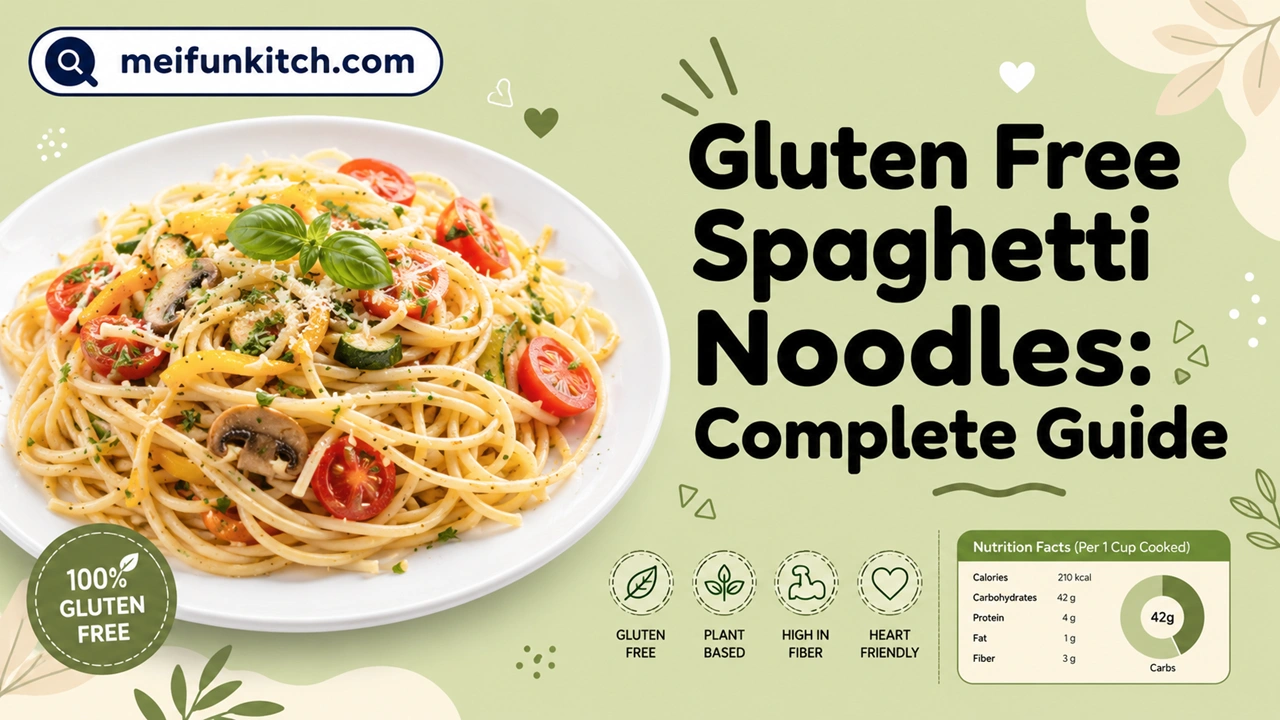
Pasta remains one of the world’s favorite comfort foods. However, many people cannot enjoy traditional spaghetti because it contains gluten. Thankfully, gluten free spaghetti noodles make it possible to enjoy classic pasta dishes without sacrificing flavor or texture. Modern recipes use innovative flour blends that closely resemble traditional wheat pasta.
The popularity of gluten free spaghetti noodles has grown rapidly during the last decade. Better ingredients and improved manufacturing techniques have transformed gluten-free pasta into a delicious everyday option. As a result, shoppers now find many choices made from rice, corn, quinoa, chickpeas, lentils, and other naturally gluten-free grains.
Choosing the right gluten free spaghetti noodles can feel confusing because every variety offers different flavors, textures, and nutritional benefits. Therefore, understanding the ingredients, cooking methods, and health advantages helps you make smarter decisions. This comprehensive guide explains everything from selecting the best pasta to storing leftovers, helping you prepare satisfying gluten-free meals with confidence.
Why Choose Gluten Free Spaghetti Noodles?
People choose gluten free spaghetti noodles for many reasons. Some must avoid gluten for medical purposes, while others simply enjoy experimenting with healthier grains. Fortunately, today’s gluten-free pasta offers excellent taste, reliable texture, and impressive versatility. Moreover, it works well in both traditional Italian recipes and modern family meals.
Unlike older gluten-free products, modern gluten free spaghetti noodles stay firmer after cooking and absorb sauces beautifully. They are available in supermarkets, specialty stores, and online shops. Consequently, preparing gluten-free meals has become easier than ever.
Who Should Eat Gluten Free Spaghetti Noodles?
Different people benefit from gluten free spaghetti noodles in different ways. Selecting the right type depends on your dietary needs and nutrition goals.
| Who Can Benefit | Why They Choose It | Best Pasta Option | Main Benefit |
|---|---|---|---|
| People with celiac disease | Must avoid gluten completely | Brown rice or corn | Safe gluten-free meals |
| People with gluten sensitivity | Reduce digestive discomfort | Rice blends | Gentle on digestion |
| People with wheat allergy | Avoid wheat ingredients | Quinoa or chickpea | Wheat-free alternative |
| Health-conscious eaters | Increase whole-grain intake | Brown rice or quinoa | Better nutrient diversity |
| Vegetarians and vegans | Need plant-based protein | Chickpea or lentil | Higher protein intake |
Common Reasons People Switch to Gluten-Free Pasta
| Reason | Explanation | Potential Benefit |
|---|---|---|
| Medical requirement | Essential for celiac disease | Supports long-term health |
| Digestive comfort | Helpful for gluten-sensitive individuals | Less digestive discomfort |
| Diet variety | Introduces different grains and legumes | More balanced nutrition |
| Higher protein choices | Legume pasta provides extra protein | Supports muscle maintenance |
| Lifestyle preference | Fits gluten-free eating habits | Greater meal flexibility |
Types of Gluten Free Spaghetti Noodles
Not all gluten free spaghetti noodles are made from the same ingredients. Every type offers a unique texture, flavor, and nutritional profile. Some closely resemble traditional wheat spaghetti, while others provide higher protein or extra fiber. Therefore, understanding these differences helps you choose the right pasta for every recipe.
Modern manufacturers combine advanced milling techniques with premium gluten-free grains. As a result, today’s gluten free spaghetti noodles cook more evenly, absorb sauces better, and maintain a pleasant texture. Whether you prepare a creamy Alfredo, hearty Bolognese, or fresh pesto, selecting the right pasta makes every meal more satisfying.
Brown Rice Gluten Free Spaghetti Noodles
Brown rice remains one of the most popular ingredients for gluten free spaghetti noodles. It produces a mild flavor with a slightly nutty finish. Moreover, its texture closely resembles traditional wheat pasta, making it a favorite among families.
Brown rice pasta contains more fiber than white rice varieties. Consequently, it supports healthy digestion while keeping you satisfied for longer. It also pairs beautifully with tomato-based sauces, creamy cheese sauces, grilled vegetables, and roasted chicken.
Unlike delicate pasta varieties, brown rice noodles usually remain firm after cooking. However, following the recommended cooking time prevents overcooking.
| Feature | Brown Rice Pasta |
|---|---|
| Texture | Firm and slightly chewy |
| Flavor | Mild and nutty |
| Fiber | Moderate |
| Protein | Moderate |
| Best With | Marinara, Alfredo, vegetables |
| Cooking Performance | Excellent sauce absorption |
White Rice Gluten Free Spaghetti Noodles
White rice varieties offer the closest flavor to traditional spaghetti. Therefore, many people choose these gluten free spaghetti noodles when switching from wheat pasta.
The noodles have a soft texture and neutral taste. Consequently, they work well with nearly every sauce without changing the overall flavor. Children often enjoy white rice pasta because of its familiar taste.
Although white rice pasta contains less fiber than brown rice, it cooks quickly and remains easy to digest.
Corn Gluten Free Spaghetti Noodles
Corn-based gluten free spaghetti noodles have become increasingly popular because they provide excellent firmness. Many premium brands blend corn flour with rice flour to create pasta that closely mimics traditional Italian spaghetti.
Corn pasta delivers a naturally sweet flavor and vibrant golden color. As a result, it pairs especially well with garlic butter, seafood, basil pesto, and fresh tomato sauces.
Additionally, corn noodles resist breaking during cooking. Therefore, they remain an excellent option for beginners preparing gluten-free meals.
| Feature | Corn Pasta |
|---|---|
| Texture | Firm |
| Flavor | Slightly sweet |
| Color | Golden yellow |
| Cooking Time | Medium |
| Best Recipes | Seafood pasta, pesto, marinara |
| Family Friendly | Excellent |
Quinoa Gluten Free Spaghetti Noodles
Quinoa adds exceptional nutrition to gluten free spaghetti noodles. Unlike many grains, quinoa contains all nine essential amino acids. Therefore, it is considered a complete protein.
Its slightly earthy taste complements roasted vegetables, mushrooms, olive oil, herbs, and lean meats. Furthermore, quinoa contributes magnesium, iron, zinc, and antioxidants to every serving.
People seeking nutritious everyday meals often choose quinoa pasta because it balances flavor with health benefits.
Chickpea Gluten Free Spaghetti Noodles
Chickpea pasta stands out for its impressive protein and fiber content. Therefore, these gluten free spaghetti noodles have become popular among athletes, vegetarians, and people following high-protein diets.
The noodles have a rich, slightly nutty flavor. They also create satisfying meals because they promote fullness after eating. Moreover, chickpea pasta works wonderfully with spicy tomato sauces, grilled chicken, and Mediterranean vegetables.
Because chickpea pasta naturally contains more protein than rice pasta, it often serves as the main source of protein in vegetarian dishes.
| Nutrition Feature | Chickpea Pasta |
|---|---|
| Protein | Very High |
| Fiber | Very High |
| Flavor | Nutty |
| Texture | Dense and hearty |
| Best For | High-protein meals |
| Popular Sauces | Marinara, Arrabbiata, pesto |
Lentil Gluten Free Spaghetti Noodles
Lentil-based gluten free spaghetti noodles provide outstanding nutrition without sacrificing flavor. Red lentils create a mild taste, while green lentils deliver a richer earthy profile.
These noodles contain generous amounts of plant protein, dietary fiber, iron, and folate. Consequently, they support balanced meals and longer-lasting energy.
Lentil pasta also complements tomato sauces, roasted vegetables, mushrooms, spinach, and grilled seafood.
Cassava Gluten Free Spaghetti Noodles
Cassava pasta offers another excellent alternative for people seeking grain-free meals. Unlike rice or corn pasta, cassava comes from a root vegetable rather than a cereal grain.
The texture remains pleasantly chewy while maintaining a neutral taste. Therefore, cassava gluten free spaghetti noodles pair well with almost every Italian-inspired recipe.
Many people following paleo-inspired eating plans also appreciate cassava pasta because it contains simple ingredients.
Multi-Grain Gluten Free Spaghetti Noodles
Many premium manufacturers combine several gluten-free ingredients into one pasta. Common blends include rice, corn, quinoa, millet, sorghum, buckwheat, and amaranth.
Blended gluten free spaghetti noodles often provide the best balance between taste, nutrition, and cooking performance. Each ingredient contributes different characteristics, resulting in pasta that closely resembles traditional spaghetti.
Additionally, multi-grain pasta delivers a wider range of vitamins and minerals than single-grain varieties.
Ingredients Used in Gluten Free Spaghetti Noodles
The ingredient list determines how gluten free spaghetti noodles taste, cook, and nourish your body. Premium brands usually contain only a few carefully selected ingredients. Others include natural starches to improve elasticity and reduce breakage.
Reading ingredient labels helps you avoid unnecessary additives while selecting pasta that matches your nutritional goals. Fortunately, many manufacturers now produce clean-label gluten-free pasta with recognizable ingredients.
Primary Ingredients Found in Gluten Free Pasta
Each ingredient contributes unique qualities to gluten free spaghetti noodles. Some improve texture, while others increase protein or fiber.
| Ingredient | Purpose | Nutritional Benefit | Common Use |
|---|---|---|---|
| Brown Rice Flour | Main structure | Fiber and minerals | Everyday pasta |
| White Rice Flour | Smooth texture | Easy digestion | Classic spaghetti |
| Corn Flour | Firmness | Natural carbohydrates | Italian recipes |
| Quinoa Flour | Protein boost | Complete protein | Premium pasta |
| Chickpea Flour | Higher protein | Fiber and iron | Healthy meals |
| Lentil Flour | Plant protein | Iron and folate | Protein-rich pasta |
| Cassava Flour | Elastic texture | Easy digestion | Grain-free recipes |
| Potato Starch | Binding agent | Improves consistency | Texture enhancement |
| Tapioca Starch | Flexibility | Smooth cooking | Premium blends |
Natural Binders Used in Gluten Free Pasta
Unlike wheat pasta, gluten free spaghetti noodles need additional ingredients to maintain their structure during cooking. Manufacturers use natural binders instead of gluten.
These ingredients help noodles stay intact without becoming sticky. Consequently, they improve the overall cooking experience.
| Natural Binder | Purpose | Common Source |
|---|---|---|
| Xanthan Gum | Improves elasticity | Fermented sugars |
| Guar Gum | Enhances texture | Guar beans |
| Potato Starch | Adds firmness | Potatoes |
| Tapioca Starch | Improves chewiness | Cassava root |
| Psyllium Husk | Increases flexibility | Plant husks |
Ingredients to Check Before Buying
Although most gluten free spaghetti noodles are safe, reading labels remains important. Some products are manufactured in shared facilities where cross-contact may occur.
Certified gluten-free labels provide additional confidence, especially for individuals with celiac disease. Furthermore, reviewing ingredient lists helps avoid unwanted preservatives or allergens.
| What to Check | Why It Matters | Recommendation |
|---|---|---|
| Certified Gluten-Free Label | Reduces contamination risk | Highly recommended |
| Allergen Statement | Identifies shared facilities | Always review |
| Artificial Preservatives | May be unnecessary | Choose cleaner products |
| Added Sodium | Varies by brand | Compare nutrition labels |
| Simple Ingredients | Usually better quality | Prefer shorter ingredient lists |
Nutrition Facts of Gluten Free Spaghetti Noodles
The nutritional value of gluten free spaghetti noodles depends on the ingredients used. Rice-based pasta usually contains fewer nutrients than legume-based varieties. Meanwhile, chickpea, lentil, and quinoa pasta provide more protein, fiber, vitamins, and minerals.
Many people assume all gluten-free pasta is healthier than traditional pasta. However, that is not always true. Some products mainly provide carbohydrates, while others offer a more balanced nutritional profile. Therefore, comparing labels before purchasing helps you choose the best option for your dietary goals.
Additionally, serving size matters. Eating the recommended portion allows you to enjoy gluten free spaghetti noodles as part of a balanced meal with vegetables, lean protein, and healthy fats.
Average Nutrition Per Serving
The following values represent an average serving of cooked gluten free spaghetti noodles. Actual nutrition varies by brand and ingredients.
| Nutrient | Average Amount | Why It Matters |
|---|---|---|
| Calories | 180–220 | Provides daily energy |
| Carbohydrates | 38–45 g | Primary fuel source |
| Protein | 4–13 g | Supports muscle maintenance |
| Dietary Fiber | 2–8 g | Promotes digestive health |
| Fat | 1–3 g | Supports nutrient absorption |
| Iron | 8–20% DV | Helps oxygen transport |
| Magnesium | 5–15% DV | Supports muscles and nerves |
| Folate | 5–20% DV | Supports healthy cell growth |
| Sodium | 0–30 mg | Naturally low in most brands |
Nutritional Differences Between Pasta Types
Each type of gluten free spaghetti noodles offers unique nutritional strengths. Understanding these differences makes shopping easier.
| Pasta Type | Protein | Fiber | Calories | Best For |
|---|---|---|---|---|
| White Rice | Low | Low | Moderate | Traditional taste |
| Brown Rice | Moderate | Moderate | Moderate | Balanced nutrition |
| Corn | Moderate | Moderate | Moderate | Classic Italian meals |
| Quinoa | High | High | Moderate | Complete protein |
| Chickpea | Very High | Very High | Moderate | High-protein diets |
| Lentil | Very High | Very High | Moderate | Plant-based eating |
| Cassava | Low | Low | Moderate | Grain-free diets |
Are Gluten Free Spaghetti Noodles Healthy?
Yes, gluten free spaghetti noodles can be a healthy choice when you select quality ingredients and prepare balanced meals. Whole-grain and legume-based options often provide more fiber and protein than refined wheat pasta.
However, health depends on the complete meal rather than the pasta alone. Pairing your noodles with colorful vegetables, lean proteins, and healthy fats creates better nutritional balance. Moreover, limiting heavy cream sauces and excessive cheese reduces unnecessary calories.
Instead of focusing on one ingredient, evaluate the entire nutrition label before making your purchase.
Health Benefits of Gluten Free Spaghetti Noodles
Many households choose gluten free spaghetti noodles because they support different dietary needs. While these noodles are essential for some people, they also provide nutritional advantages for others.
Modern gluten-free pasta combines wholesome ingredients with improved cooking performance. Consequently, it has become a practical option for everyday meals.
Safe for People with Celiac Disease
For individuals with celiac disease, gluten free spaghetti noodles are not simply a preference. They are a medical necessity. Even small amounts of gluten can damage the small intestine and interfere with nutrient absorption.
Certified gluten-free pasta minimizes the risk of cross-contact. Therefore, checking certification remains an important habit when shopping.
Suitable for Gluten Sensitivity
Some people experience bloating or digestive discomfort after eating gluten-containing foods. Although gluten sensitivity differs from celiac disease, many individuals feel better after switching to gluten free spaghetti noodles.
Because symptoms vary between individuals, consulting a healthcare professional remains the best approach before making major dietary changes.
Supports Plant-Based Diets
Many varieties of gluten free spaghetti noodles use chickpeas, lentils, quinoa, or other plant ingredients. These options naturally contain more protein than standard rice pasta.
As a result, vegetarians and vegans can prepare satisfying meals without relying entirely on animal protein.
Provides Dietary Variety
Eating different grains and legumes introduces a wider range of nutrients into your diet. Therefore, rotating different types of gluten free spaghetti noodles helps diversify your meals throughout the week.
Each grain contributes its own combination of vitamins, minerals, antioxidants, and fiber.
May Improve Digestive Comfort
People who cannot tolerate gluten often notice improved digestive comfort after replacing traditional pasta with gluten free spaghetti noodles.
When combined with adequate water intake and fiber-rich vegetables, gluten-free meals may support healthy digestion.
Potential Health Benefits at a Glance
| Benefit | How It Helps | Best Pasta Choice |
|---|---|---|
| Gluten-Free Eating | Avoids gluten exposure | Certified gluten-free |
| Higher Protein | Supports muscle maintenance | Chickpea, lentil |
| More Fiber | Promotes fullness | Brown rice, lentil |
| Plant-Based Nutrition | Supports vegetarian diets | Quinoa, chickpea |
| Diet Diversity | Adds different grains | Multi-grain blends |
| Digestive Comfort | Suitable for sensitive individuals | Rice-based pasta |
How to Choose the Best Gluten Free Spaghetti Noodles
Not every package of gluten free spaghetti noodles delivers the same quality. Ingredients, manufacturing methods, and certifications vary between brands. Therefore, reading labels carefully helps you make a better choice.
Instead of selecting pasta based only on price, compare nutrition, ingredient quality, and cooking performance.
Look for Certified Gluten-Free Labels
Certification provides additional assurance that gluten free spaghetti noodles meet strict gluten standards. This is especially important for people with celiac disease.
Choosing certified products reduces concerns about cross-contact during manufacturing.
Read the Ingredient List Carefully
The best gluten free spaghetti noodles usually contain simple ingredients with minimal additives. Whole-food ingredients often produce better flavor and nutrition.
Avoid choosing products simply because they have attractive packaging. Instead, compare ingredient quality first.
Consider Your Nutrition Goals
Your ideal pasta depends on your dietary priorities. Some people prefer extra protein, while others want more fiber or a milder flavor.
| Goal | Recommended Pasta Type | Reason |
|---|---|---|
| Traditional texture | Brown rice | Closest to wheat pasta |
| Higher protein | Chickpea | Excellent protein content |
| More fiber | Lentil | Supports digestion |
| Complete protein | Quinoa | Contains essential amino acids |
| Grain-free meals | Cassava | Alternative ingredient |
| Family-friendly meals | Rice and corn blend | Balanced taste and texture |
Choose Pasta That Matches Your Recipe
Different recipes benefit from different varieties of gluten free spaghetti noodles. Delicate sauces pair well with lighter pasta, while hearty meat sauces work better with denser noodles.
Matching the pasta to the sauce improves both texture and flavor. Consequently, your finished meal becomes more enjoyable.
Compare Cooking Instructions
Cooking times differ between brands. Some gluten free noodles become soft quickly, while others stay firm for longer.
Following package instructions and testing the pasta before draining helps achieve the perfect texture every time.
How to Cook Gluten-Free Spaghetti Perfectly Every Time
Cooking gluten-free pasta requires a slightly different approach than traditional wheat spaghetti. Although modern recipes have improved significantly, different flour blends react differently to heat and water. Therefore, following a few simple techniques helps you achieve a firm, satisfying texture instead of soft or sticky noodles.
Whether you use rice, corn, chickpea, or quinoa pasta, careful cooking preserves both flavor and structure. Small adjustments can make a noticeable difference in the final dish.
Follow the Package Instructions
Every pasta brand uses a unique combination of ingredients. As a result, cooking times vary between products. Some varieties reach the ideal texture in seven minutes, while others require ten or more.
Instead of relying on a standard cooking time, begin checking the pasta a minute before the recommended time. This simple habit helps prevent overcooking.
| Pasta Type | Average Cooking Time | Recommended Texture |
|---|---|---|
| Brown rice pasta | 9–11 minutes | Firm |
| White rice pasta | 8–10 minutes | Tender |
| Corn pasta | 8–10 minutes | Firm |
| Quinoa pasta | 9–11 minutes | Slightly chewy |
| Chickpea pasta | 7–9 minutes | Firm |
| Lentil pasta | 7–9 minutes | Firm |
Use Plenty of Water
Large amounts of boiling water allow the noodles to move freely during cooking. This reduces sticking and encourages even cooking from the center to the surface.
A spacious pot also helps maintain a steady boil after adding the pasta.
| Cooking Tip | Benefit |
|---|---|
| Large pot | Allows even cooking |
| Plenty of water | Reduces sticking |
| Rolling boil | Maintains texture |
| Gentle stirring | Prevents clumping |
| Proper draining | Stops overcooking |
Stir During the First Few Minutes
Freshly added pasta tends to settle at the bottom of the pot. Gentle stirring during the first two minutes separates the strands before they begin to soften.
After that, occasional stirring keeps the noodles from sticking together without damaging their shape.
Test Before Draining
Rather than waiting for the timer alone, taste a strand shortly before the suggested cooking time ends. The center should remain slightly firm while the outside feels tender.
Removing the pasta at the right moment preserves its texture after it is mixed with sauce.
Reserve Some Pasta Water
Before draining, save a small amount of the cooking water. The natural starch in the water helps sauces cling to the noodles and creates a smoother consistency.
This technique works especially well with tomato sauces, pesto, and light olive oil-based recipes.
Best Sauces for Gluten-Free Pasta
One advantage of gluten-free pasta is its versatility. The right sauce enhances flavor while complementing the texture of the noodles. Matching the sauce with the pasta variety creates a more balanced meal.
Lighter pasta often pairs well with delicate sauces, while protein-rich options stand up to richer recipes.
Classic Tomato Sauce
Tomato-based sauces remain a timeless choice. Their bright acidity balances the mild flavor of rice and corn pasta while allowing herbs and garlic to shine.
Fresh basil, roasted tomatoes, onions, and olive oil create a simple yet satisfying combination.
Creamy Alfredo Sauce
A smooth Alfredo sauce pairs beautifully with firmer pasta varieties. Quinoa and chickpea noodles hold creamy sauces particularly well because of their dense texture.
Adding grilled chicken, mushrooms, or spinach creates a complete meal.
Fresh Basil Pesto
Pesto brings fresh herbs, garlic, olive oil, Parmesan, and nuts together in a flavorful sauce. It complements almost every gluten-free pasta variety without overwhelming the noodles.
The vibrant flavor also pairs well with grilled vegetables.
Garlic and Olive Oil
Sometimes simple recipes produce the best results. Garlic sautéed in olive oil creates a light sauce that highlights the natural taste of quality pasta.
Fresh parsley, lemon zest, and black pepper provide additional freshness.
Popular Sauce Pairings
| Sauce | Best Pasta Choice | Flavor Profile |
|---|---|---|
| Marinara | Brown rice, corn | Fresh and tangy |
| Alfredo | Quinoa, chickpea | Creamy and rich |
| Pesto | Rice, quinoa | Herbaceous |
| Garlic and olive oil | All varieties | Light and aromatic |
| Bolognese | Brown rice, lentil | Rich and hearty |
| Roasted vegetable sauce | Multi-grain pasta | Earthy and balanced |
Common Mistakes to Avoid
Even premium gluten-free pasta can lose its texture if prepared incorrectly. Fortunately, most cooking problems are easy to avoid with a few simple adjustments.
Understanding these common mistakes helps produce consistently better results.
Overcooking the Pasta
The most common mistake is leaving the noodles in boiling water for too long. Unlike traditional wheat pasta, some gluten-free varieties soften more quickly once they reach the ideal texture.
Checking the pasta early prevents mushy results.
Skipping the Stirring Step
Pasta strands can stick together soon after entering the pot. Gentle stirring during the first few minutes keeps them separate and promotes even cooking.
Rinsing After Cooking
Many people rinse cooked pasta under cold water. However, doing so removes surface starch that helps sauces cling to the noodles.
Unless preparing a cold pasta salad, draining without rinsing usually delivers better results.
Using Too Little Sauce
Some gluten-free noodles absorb more moisture than wheat pasta. Adding enough sauce keeps the dish flavorful and prevents dryness.
Most Common Cooking Errors
| Mistake | Possible Result | Better Practice |
|---|---|---|
| Overcooking | Soft texture | Taste early |
| Small cooking pot | Uneven cooking | Use a large pot |
| Not stirring | Clumping | Stir during the first minutes |
| Rinsing pasta | Sauce slides off | Drain without rinsing |
| Too little sauce | Dry pasta | Mix generously before serving |
How to Store and Reheat Gluten-Free Pasta
Proper storage helps preserve both flavor and texture. Although gluten-free pasta can become firmer after cooling, the right techniques keep leftovers enjoyable for another meal. Good storage habits also reduce food waste and make meal preparation easier.
Whether you cooked a large batch for meal prep or simply have leftovers, careful handling helps maintain quality.
Storing Cooked Pasta
Allow the pasta to cool slightly before placing it in an airtight container. Adding a small amount of olive oil helps prevent the noodles from sticking together during refrigeration.
Store the container in the refrigerator as soon as it reaches room temperature. Avoid leaving cooked pasta out for extended periods.
| Storage Method | Recommended Time | Helpful Tip |
|---|---|---|
| Refrigerator | 3–4 days | Use an airtight container |
| Freezer | Up to 2 months | Freeze in meal-sized portions |
| Meal prep containers | 3–4 days | Store sauce separately if possible |
Freezing for Longer Storage
Many gluten-free pasta varieties freeze well when cooked until slightly firm. Dividing the pasta into individual portions makes reheating more convenient.
Freezing the noodles separately from the sauce often produces better texture after thawing.
Best Ways to Reheat
Gentle reheating helps the pasta regain its original texture. Excessive heat may cause the noodles to become soft or break apart.
Adding a splash of water or broth while reheating restores moisture and improves consistency.
| Reheating Method | Best For | Result |
|---|---|---|
| Stovetop | Most pasta dishes | Even heating |
| Microwave | Quick meals | Fast and convenient |
| Simmering in sauce | Tomato or cream sauces | Excellent flavor |
| Steam reheating | Plain pasta | Retains moisture |
Gluten-Free Pasta for Different Dietary Needs
One reason gluten-free pasta continues to grow in popularity is its versatility. Different varieties support different nutrition goals, making it easier to prepare meals for diverse households.
Selecting the right option depends on your individual preferences rather than following a single approach.
For High-Protein Diets
People looking to increase protein intake often choose chickpea or lentil pasta. These options naturally contain more protein than rice-based varieties.
Pairing them with grilled chicken, seafood, or vegetables creates a filling and balanced meal.
For High-Fiber Meals
Fiber supports digestive health and helps promote fullness after eating. Brown rice, lentil, and quinoa pasta generally provide more fiber than refined alternatives.
Combining these noodles with vegetables further increases the fiber content of the meal.
For Vegan and Vegetarian Diets
Many gluten-free pasta products contain only plant-based ingredients. This makes them suitable for vegan and vegetarian eating patterns.
Adding beans, tofu, mushrooms, spinach, and roasted vegetables creates satisfying meat-free dishes.
For Family Meals
Rice and corn blends usually appeal to both adults and children because their texture closely resembles traditional spaghetti.
Their mild flavor also pairs well with familiar sauces, making family dinners easier to prepare.
| Dietary Goal | Recommended Choice | Main Advantage |
|---|---|---|
| Higher protein | Chickpea or lentil | More plant protein |
| Higher fiber | Brown rice or quinoa | Supports digestion |
| Vegan meals | Most plant-based varieties | No animal ingredients |
| Family dinners | Rice and corn blends | Familiar texture |
| Balanced nutrition | Multi-grain pasta | Variety of nutrients |
How to Read Labels When Buying Gluten-Free Pasta
Choosing the right product involves more than selecting a familiar brand. Reading the packaging carefully helps you understand ingredient quality, nutritional value, and food safety.
A few minutes spent comparing labels can improve both taste and nutrition.
Check the Certification
A certified gluten-free label indicates that the product meets established gluten standards. This is especially valuable for individuals with celiac disease.
Certification also provides greater confidence when purchasing unfamiliar brands.
Compare Ingredient Lists
Simple ingredient lists often indicate less processed products. Whole grains and legumes generally contribute better nutrition than highly refined starches.
Look for products that clearly identify their primary ingredients.
Review the Nutrition Panel
The nutrition panel helps compare protein, fiber, sodium, and calorie content between brands.
Different products vary considerably, even when they appear similar on the shelf.
| What to Compare | Why It Matters |
|---|---|
| Protein | Supports balanced meals |
| Fiber | Promotes fullness |
| Sodium | Helps manage salt intake |
| Serving size | Allows accurate comparison |
| Ingredient order | Shows the main ingredients |
Consider the Intended Recipe
Different pasta shapes and flour blends perform better in different recipes. Dense pasta works well with rich sauces, while lighter varieties complement delicate preparations.
Matching the pasta to the recipe often improves the overall dining experience.
Popular Recipes Using Gluten-Free Pasta
Gluten-free pasta works well in many traditional and modern recipes. Its versatility allows you to prepare comforting dinners, fresh salads, and lighter lunches throughout the year.
Simple ingredients often produce the most flavorful results.
Classic Spaghetti with Marinara
A homemade tomato sauce with garlic, onions, basil, and olive oil remains one of the easiest meals to prepare.
Fresh herbs and grated Parmesan complete the dish.
Creamy Mushroom Pasta
Sautéed mushrooms, garlic, spinach, and a light cream sauce create a rich yet balanced meal.
Adding grilled chicken or shrimp provides extra protein.
Mediterranean Vegetable Pasta
Roasted zucchini, bell peppers, cherry tomatoes, olives, and fresh herbs combine beautifully with olive oil and pasta.
This colorful recipe works well for both lunch and dinner.
Pesto Chicken Pasta
Fresh basil pesto, grilled chicken, and roasted vegetables create a flavorful meal with minimal preparation.
The sauce coats the noodles evenly without becoming heavy.
Recipe Ideas at a Glance
| Recipe | Main Ingredients | Best Occasion |
|---|---|---|
| Classic Marinara | Tomatoes, garlic, basil | Family dinner |
| Creamy Mushroom Pasta | Mushrooms, spinach, cream | Comfort meal |
| Mediterranean Pasta | Vegetables, olive oil, herbs | Light lunch |
| Pesto Chicken Pasta | Chicken, pesto, Parmesan | Weeknight dinner |
| Garlic Herb Pasta | Olive oil, garlic, parsley | Quick meal |
| Vegetable Primavera | Seasonal vegetables | Spring and summer meals |
Best Gluten Free Spaghetti Noodles Brands to Consider
Choosing high-quality gluten free spaghetti noodles can make a noticeable difference in taste and texture. Premium brands use carefully selected ingredients and reliable manufacturing processes. As a result, their pasta cooks evenly and pairs well with a variety of sauces.
Instead of purchasing the first package you see, compare ingredients, nutritional value, certifications, and customer reviews. A quality product often delivers a better cooking experience.
Rice-Based Gluten Free Spaghetti Noodles Brands
Rice-based pasta remains a popular choice because it closely resembles traditional spaghetti. These products usually have a mild flavor and a pleasant texture.
| Brand Type | Main Ingredients | Best Feature | Ideal For |
|---|---|---|---|
| Brown Rice Pasta | Brown rice flour | Traditional texture | Everyday meals |
| White Rice Pasta | White rice flour | Mild flavor | Family dinners |
| Rice Blend Pasta | Rice and corn | Balanced consistency | Italian recipes |
High-Protein Gluten Free Spaghetti Noodles Brands
People following active lifestyles often choose pasta made from legumes. These products naturally contain more protein and dietary fiber than rice-based options.
| Pasta Base | Protein Level | Texture | Best Uses |
|---|---|---|---|
| Chickpea | Very High | Firm | Tomato sauces |
| Lentil | Very High | Hearty | Vegetable dishes |
| Quinoa Blend | High | Chewy | Pesto recipes |
What Makes the Best Gluten Free Spaghetti Noodles?
The best gluten free spaghetti noodles balance taste, nutrition, and cooking performance. They should remain firm after boiling and absorb sauces without becoming mushy.
When comparing products, consider these important factors.
| Feature | Why It Matters |
|---|---|
| Certified gluten-free | Provides additional confidence |
| Simple ingredients | Often indicates better quality |
| Higher fiber | Supports balanced nutrition |
| Good cooking performance | Maintains texture |
| Positive customer reviews | Reflects consistent quality |
Gluten Free Spaghetti Noodles vs Traditional Spaghetti
Many people wonder whether gluten free noodles taste different from traditional wheat spaghetti. The answer depends largely on the ingredients and preparation method.
Modern gluten-free pasta has improved significantly. Premium varieties now deliver a texture that closely resembles conventional spaghetti.
Texture Comparison
Traditional wheat pasta contains gluten, which creates elasticity. Gluten-free alternatives achieve similar results by combining different flours and natural starches.
Rice and corn blends generally provide the closest match to classic spaghetti.
| Feature | Gluten-Free Pasta | Traditional Wheat Pasta |
|---|---|---|
| Texture | Firm when cooked properly | Naturally elastic |
| Flavor | Depends on ingredients | Neutral |
| Cooking Time | Usually shorter | Moderate |
| Protein | Varies widely | Moderate |
| Suitable for Celiac Disease | Yes | No |
Nutrition Comparison
Nutritional value depends more on ingredients than whether pasta contains gluten.
Legume-based gluten free spaghetti noodles often provide significantly more protein and fiber than traditional refined wheat pasta.
| Nutrient | Gluten-Free Legume Pasta | Traditional Pasta |
|---|---|---|
| Protein | Higher | Moderate |
| Fiber | Higher | Lower |
| Iron | Often higher | Moderate |
| Calories | Similar | Similar |
| Gluten | None | Present |
Taste Comparison
Taste varies between different pasta bases. Rice varieties offer a mild flavor, while chickpea and lentil pasta have a richer, earthier profile.
Most sauces complement gluten-free pasta just as well as traditional spaghetti.
Gluten Free Spaghetti Noodles Buying Guide
Shopping becomes easier when you know what to look for. Every package provides useful information about ingredients, nutrition, and certifications.
A few minutes spent comparing labels can help you select a product that fits both your health goals and cooking style.
Choose the Right Flour Blend
The flour blend influences flavor, texture, and nutritional value.
| Flour Blend | Best For | Texture |
|---|---|---|
| Brown Rice | Classic recipes | Firm |
| Corn and Rice | Everyday cooking | Balanced |
| Quinoa Blend | Healthy meals | Chewy |
| Chickpea | High-protein diets | Dense |
| Lentil | Plant-based meals | Firm |
Check the Ingredient Quality
Quality gluten free spaghetti noodles usually contain recognizable ingredients without unnecessary additives.
Products made from whole-food ingredients often provide better nutrition and flavor.
| What to Look For | Reason |
|---|---|
| Whole-food flours | Better nutrition |
| Minimal additives | Cleaner ingredient list |
| Natural starches | Improved texture |
| Certified gluten-free | Reduced contamination risk |
Compare Nutrition Labels
Nutrition labels allow you to compare products objectively. Looking beyond calories helps you choose pasta that supports your dietary goals.
| Nutrition Factor | Why Compare It |
|---|---|
| Protein | Supports balanced meals |
| Fiber | Promotes fullness |
| Iron | Supports healthy blood cells |
| Serving Size | Allows fair comparison |
| Sodium | Helps manage salt intake |
Gluten Free Spaghetti Noodles for Meal Prep
Meal preparation saves time throughout the week. Fortunately, many gluten free spaghetti noodles perform well when stored correctly.
Cooking pasta slightly firm helps preserve its texture after refrigeration.
Meal Prep Tips
Preparing pasta in advance becomes easier with a few simple techniques.
| Tip | Benefit |
|---|---|
| Cook until slightly firm | Maintains texture |
| Cool before storing | Reduces excess moisture |
| Use airtight containers | Keeps pasta fresh |
| Store sauce separately | Prevents sogginess |
| Label storage dates | Improves food safety |
Best Meal Prep Combinations
Balanced meals include vegetables, protein, and healthy fats alongside pasta.
| Meal | Protein Source | Vegetables |
|---|---|---|
| Marinara Pasta | Turkey meatballs | Spinach |
| Pesto Pasta | Grilled chicken | Broccoli |
| Mediterranean Bowl | Chickpeas | Tomatoes and cucumbers |
| Vegetable Primavera | Tofu | Mixed vegetables |
| Garlic Herb Pasta | Shrimp | Asparagus |
Can You Freeze Gluten Free Spaghetti Noodles?
Yes. Most gluten free spaghetti noodles freeze well when stored properly. Dividing cooked pasta into smaller portions makes thawing quicker and reduces waste.
Freezing the pasta separately from the sauce often delivers the best texture after reheating.
Common Problems With Gluten Free Spaghetti Noodles and How to Fix Them
Even premium gluten free noodles can present a few challenges during cooking. Fortunately, most issues have simple solutions. Understanding why they happen helps you prepare better pasta every time.
Small adjustments in cooking time, water temperature, and sauce selection often improve both texture and flavor.
Why Do Gluten Free Spaghetti Noodles Become Mushy?
Overcooking is the most common reason gluten free spaghetti noodles lose their texture. Unlike wheat pasta, many gluten-free varieties continue softening after they are drained.
Checking the noodles one or two minutes before the suggested cooking time helps maintain a firm bite. Finishing the cooking process in the sauce also improves texture.
| Problem | Possible Cause | Simple Solution |
|---|---|---|
| Mushy noodles | Overcooking | Taste early and drain immediately |
| Soft texture after serving | Left in hot water | Transfer directly to sauce |
| Breaking apart | Overstirring | Stir gently during cooking |
| Sticky noodles | Too little water | Use a larger pot |
Why Do Gluten Free Spaghetti Noodles Stick Together?
Some varieties release more starch during cooking than traditional pasta. Without enough water or occasional stirring, gluten free spaghetti noodles may stick together.
Using a large pot and stirring during the first few minutes keeps the strands separated. Tossing the cooked pasta with sauce immediately also helps.
| Cause | Effect | Recommended Fix |
|---|---|---|
| Small cooking pot | Crowded noodles | Use plenty of water |
| No stirring | Clumping | Stir gently at the beginning |
| Delayed serving | Sticky texture | Mix with sauce immediately |
| Improper draining | Extra starch remains | Drain thoroughly |
How to Keep Gluten Free Spaghetti Noodles Firm
Many cooks prefer pasta with an al dente texture. Although gluten-free varieties behave differently, achieving firmness is still possible.
Cooking the noodles until just tender and allowing them to finish in the sauce produces the best results.
Gluten Free Spaghetti Noodles for Different Recipes
One of the greatest advantages of gluten free spaghetti noodles is their versatility. They adapt well to traditional Italian dishes, vegetable-based meals, seafood recipes, and modern comfort foods.
Choosing the right noodle for each recipe improves both texture and flavor.
Gluten Free Spaghetti Noodles for Tomato-Based Recipes
Tomato sauces pair beautifully with brown rice, corn, and multi-grain pasta. These noodles absorb the sauce while maintaining their structure.
Fresh basil, garlic, onions, and olive oil create a classic combination that complements almost every gluten-free pasta variety.
Gluten Free Spaghetti Noodles for Creamy Pasta Dishes
Creamy sauces require pasta that remains firm after cooking. Chickpea, quinoa, and lentil varieties perform particularly well because of their dense texture.
Adding mushrooms, spinach, grilled chicken, or shrimp creates a complete and satisfying meal.
| Creamy Recipe | Recommended Pasta | Why It Works |
|---|---|---|
| Alfredo | Quinoa pasta | Holds sauce well |
| Garlic Parmesan | Brown rice pasta | Balanced texture |
| Mushroom cream | Chickpea pasta | Adds protein |
| Spinach Alfredo | Lentil pasta | Rich and hearty |
Gluten Free Spaghetti Noodles for Healthy Meal Bowls
Many people use gluten free spaghetti noodles as the foundation for balanced meal bowls.
Combining pasta with roasted vegetables, lean protein, healthy fats, and fresh herbs creates nutritious lunches and dinners.
| Meal Bowl | Protein | Vegetables | Dressing |
|---|---|---|---|
| Mediterranean | Chicken | Tomatoes and cucumber | Olive oil |
| Plant-Based | Chickpeas | Roasted vegetables | Lemon dressing |
| Asian Inspired | Shrimp | Bell peppers and carrots | Sesame sauce |
| Garden Bowl | Tofu | Broccoli and spinach | Herb vinaigrette |
How to Serve Gluten Free Spaghetti Noodles
Serving pasta correctly enhances both presentation and flavor. Small finishing touches can transform a simple meal into a restaurant-quality dish.
Fresh herbs, grated cheese, and quality olive oil provide excellent finishing touches.
Best Garnishes for Gluten Free Spaghetti Noodles
Fresh ingredients add color, aroma, and texture without overwhelming the pasta.
| Garnish | Pairs Best With |
|---|---|
| Fresh basil | Tomato sauces |
| Parsley | Garlic pasta |
| Parmesan cheese | Cream sauces |
| Lemon zest | Seafood dishes |
| Cracked black pepper | Almost every recipe |
Best Side Dishes With Gluten Free Spaghetti Noodles
Well-chosen side dishes create balanced meals while adding variety to the table.
| Side Dish | Why It Pairs Well |
|---|---|
| Garden salad | Adds freshness |
| Roasted vegetables | Provides fiber |
| Grilled chicken | Adds lean protein |
| Garlic green beans | Creates balance |
| Caprese salad | Complements Italian flavors |
Are Gluten Free Spaghetti Noodles Worth Buying?
For many households, gluten free spaghetti noodles have become an everyday pantry staple. They provide excellent versatility, support a variety of dietary needs, and work well in countless recipes.
Modern production methods have significantly improved their texture and flavor. As a result, many people cannot distinguish premium gluten-free pasta from traditional spaghetti when it is prepared correctly.
Pros of Gluten Free Spaghetti Noodles
Quality pasta offers several practical advantages beyond simply avoiding gluten.
| Advantage | Benefit |
|---|---|
| Wide ingredient choices | More meal variety |
| Suitable for gluten-free diets | Supports dietary needs |
| Available in high-protein options | Helps create balanced meals |
| Works with many sauces | Highly versatile |
| Easy to prepare | Convenient for busy families |
Things to Consider Before Buying Gluten Free Spaghetti Noodles
Not every product offers the same quality. Comparing ingredients and nutrition helps you find the best option.
| Consideration | Why It Matters |
|---|---|
| Ingredient quality | Affects taste and nutrition |
| Protein content | Varies by flour blend |
| Fiber content | Supports digestive health |
| Cooking instructions | Different for every brand |
| Certification | Important for people avoiding gluten completely |
Frequently Asked Questions About Gluten Free Spaghetti Noodles
Are Gluten Free Spaghetti Noodles Healthier Than Regular Spaghetti?
The answer depends on the ingredients. Some gluten free spaghetti noodles provide more protein, fiber, and minerals than traditional pasta. Chickpea, lentil, and quinoa varieties are especially nutrient-dense. However, rice-based options may offer nutrition similar to refined wheat pasta. Reading the nutrition label remains the best way to compare products.
Can People With Celiac Disease Eat Gluten Free Spaghetti Noodles?
Yes. People with celiac disease can safely enjoy gluten free spaghetti noodles when the product is certified gluten-free. Certification helps reduce the risk of cross-contact during manufacturing. Always read the packaging before purchasing a new brand.
Do Gluten Free Spaghetti Noodles Taste Like Regular Pasta?
Modern gluten free spaghetti noodles have improved significantly. Many rice and corn blends closely resemble the flavor and texture of traditional spaghetti. While chickpea and lentil pasta have a slightly nuttier taste, they still work well in classic pasta recipes.
What Are Gluten Free Spaghetti Noodles Made From?
Manufacturers produce gluten free noodles from naturally gluten-free ingredients such as brown rice, white rice, corn, quinoa, chickpeas, lentils, cassava, millet, and other alternative grains. Some products combine several flours to improve texture and cooking performance.
Which Gluten Free Spaghetti Noodles Have the Most Protein?
Chickpea and lentil pasta generally contain the highest protein levels. Quinoa blends also provide a good amount of plant-based protein. These options are popular among athletes, vegetarians, and anyone looking for more filling pasta meals.
Can You Freeze Gluten Free Spaghetti Noodles?
Yes. Cooked gluten free noodles freeze well when stored in airtight containers. Dividing the pasta into smaller portions makes reheating easier. For the best texture, freeze the pasta separately from the sauce whenever possible.
Why Do Gluten Free Spaghetti Noodles Break Easily?
Some varieties become fragile when overcooked. Following the package instructions, using plenty of boiling water, and stirring gently during cooking help maintain their structure. Draining the pasta as soon as it reaches the desired texture also reduces breakage.
What Sauce Works Best With Gluten Free Spaghetti Noodles?
The ideal sauce depends on the type of pasta. Rice-based spaghetti pairs well with marinara and pesto, while chickpea and lentil varieties complement creamy sauces and hearty meat sauces. Garlic, olive oil, roasted vegetables, and fresh herbs also make excellent combinations.
Can Gluten Free Spaghetti Noodles Be Used in Meal Prep?
Absolutely. Gluten free noodles work well for meal preparation when cooked until slightly firm. Store them in airtight containers and keep the sauce separate if possible. This method helps preserve the texture throughout the week.
How Should Gluten Free Spaghetti Noodles Be Stored?
Cooked pasta should be refrigerated in an airtight container and enjoyed within a few days. Dry pasta should remain in a cool, dry place away from moisture and direct sunlight. Proper storage helps maintain freshness and quality.
Conclusion
Gluten free noodles have evolved into a delicious and reliable alternative to traditional wheat pasta. Today’s products offer excellent flavor, improved texture, and a wide variety of ingredients to suit different dietary preferences. Whether you prefer brown rice, corn, quinoa, chickpea, lentil, or multi-grain pasta, there is an option for every recipe and cooking style.
Choosing high-quality gluten free noodles begins with reading ingredient labels, comparing nutritional values, and selecting products that match your personal goals. Rice-based varieties provide a familiar taste, while legume-based options add extra protein and fiber. Pairing the right pasta with fresh ingredients and flavorful sauces creates meals that everyone can enjoy.
With proper cooking techniques, careful storage, and thoughtful recipe selection, gluten free spaghetti noodles can become a regular part of your weekly menu. Whether you are managing celiac disease, avoiding gluten, or simply exploring healthier pasta alternatives, these noodles offer flexibility, convenience, and satisfying results at every meal.

Alex Balducci
Author43 Published Articles
Alex Balducci is a nutritionist, food writer, and health enthusiast dedicated to helping readers make informed dietary choices through reliable, easy-to-understand content. With a passion for nutrition, healthy eating, and balanced lifestyles, Alex creates well-researched articles covering nutrition facts, wholesome recipes, meal planning, and ingredient guides
EducationB.Sc. in Nutrition and Dietetics.
Experience10 Years.
ExpertiseWrites About Nutrition Facts