
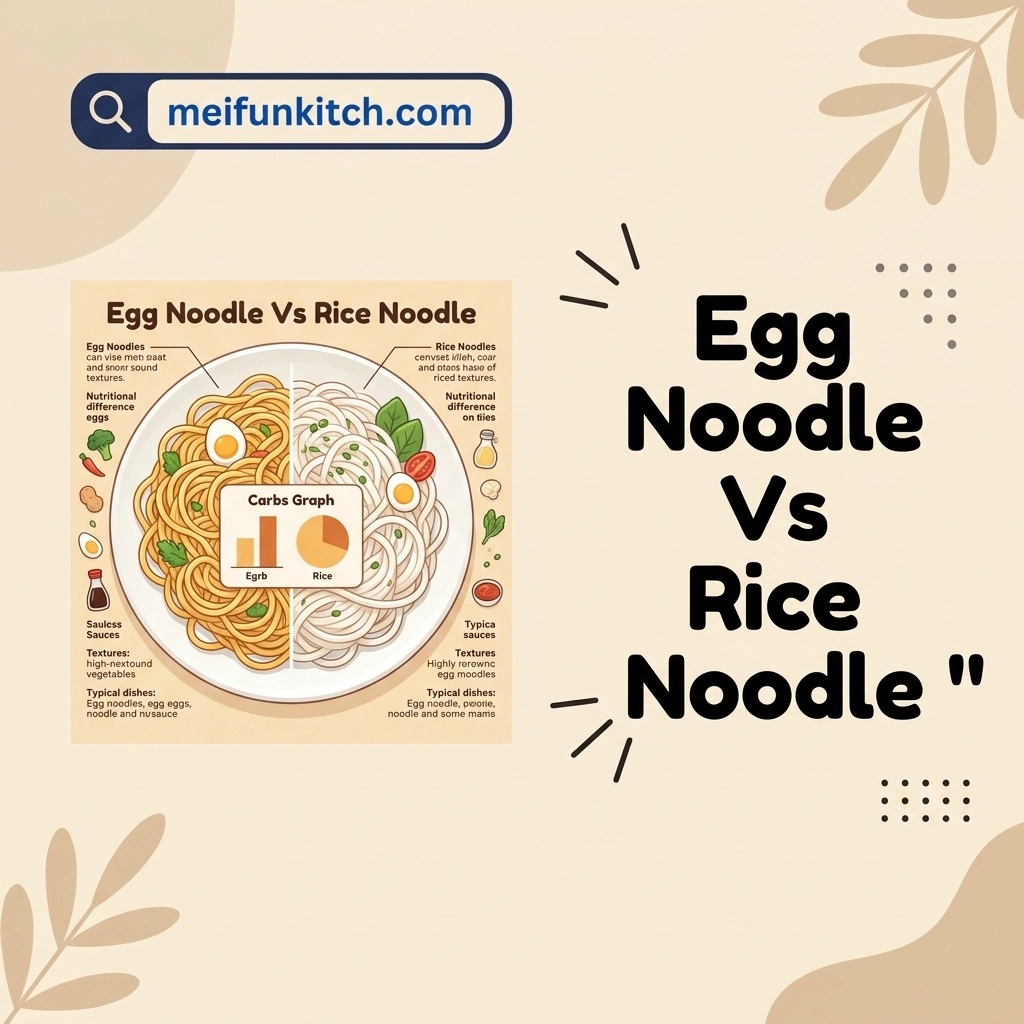
Many people wonder which noodle is better for their meals, and that is why understanding egg noodle vs rice noodle is helpful. Both types of noodles are popular around the world, and each one offers a different taste and texture. Egg noodles are usually made with wheat flour and eggs, while rice noodles are made mainly from rice flour and water. As a result, they work differently in recipes. Moreover, choosing the right noodle can improve the flavor and texture of your favorite dishes.
When comparing these noodles, it is important to look at how they cook and what foods they pair with best. For example, egg noodles often have a rich flavor and a soft, chewy texture. On the other hand, rice noodles are lighter and absorb sauces very well. Furthermore, both noodles can be used in soups, stir-fries, and many family meals. Therefore, learning the differences can help you select the best option for each recipe.
If you are trying to decide which noodle fits your needs, this guide will make the choice easier. Additionally, you will learn about their ingredients, nutritional value, cooking methods, and best uses. Meanwhile, simple comparisons will help you understand the strengths of each type. As a result, you can confidently choose the perfect noodle for your next meal and enjoy better cooking results at home.
Egg Noodle vs Rice Noodle: What Is the Main Difference?
The primary difference in egg noodle vs rice noodle comes from the ingredients used to make them. Egg noodles typically contain wheat flour and eggs, which give them a richer flavor and a soft, chewy texture. In contrast, rice noodles are usually made from rice flour and water, resulting in a lighter texture and milder taste. As a result, each noodle type works best in different recipes. Furthermore, their unique ingredients influence how they absorb sauces, hold their shape, and perform during cooking.
Another key difference involves texture and cooking behavior. Egg noodles tend to remain slightly firm and elastic after cooking, which makes them suitable for hearty dishes. Meanwhile, rice noodles become tender and smooth, making them ideal for lighter meals and many Asian-inspired recipes. Additionally, rice noodles often absorb flavors more quickly, while egg noodles provide a richer mouthfeel. Consequently, cooks choose between them based on the desired texture and recipe requirements.
The culinary uses of these noodles also vary significantly. For example, egg noodles are commonly found in soups, casseroles, and creamy dishes. On the other hand, rice noodles frequently appear in stir-fries, noodle salads, and broth-based meals. Therefore, understanding their differences helps home cooks select the right ingredient for every dish. Because each noodle type offers unique advantages, neither is universally better than the other.
Which Is Healthier: Egg Noodle vs Rice Noodle?
When discussing egg noodle vs rice noodle, health considerations often depend on personal dietary needs and meal composition. Both noodle types can fit into a balanced diet when enjoyed in moderation. However, their nutritional profiles differ slightly because of their ingredients. Furthermore, the overall health value depends on portion size, cooking method, and accompanying ingredients. As a result, there is no single answer that applies to everyone.
Egg noodles often provide additional protein because they contain eggs. Consequently, they may help create a more filling meal when paired with vegetables and lean proteins. Additionally, they contain certain nutrients that come naturally from eggs. Meanwhile, rice noodles are generally lighter and may appeal to individuals seeking a simple ingredient with a mild flavor. Therefore, the healthier choice often depends on personal goals and dietary preferences.
The ingredients added to a noodle dish usually have a greater impact on nutrition than the noodles themselves. For example, adding fresh vegetables, lean meats, and balanced sauces can improve overall meal quality. Moreover, reducing excessive oil, sodium, and sugar contributes to healthier meals regardless of noodle type. Consequently, thoughtful preparation plays a major role in nutritional value. Because both options can be part of a healthy eating pattern, balance remains the most important factor.
Egg Noodle vs Rice Noodle Nutrition Comparison
A nutritional comparison of egg noodle vs rice noodle reveals several interesting differences. Egg noodles generally contain protein from eggs and wheat flour, while rice noodles focus primarily on carbohydrates. As a result, their nutrient profiles vary slightly. Furthermore, serving sizes and preparation methods can influence nutritional values. Therefore, comparing labels and portion sizes is important when making dietary decisions.
Another important factor involves how each noodle contributes to meal satisfaction. Egg noodles often provide a richer texture that some people find more filling. Meanwhile, rice noodles offer a lighter eating experience and pair well with nutrient-rich vegetables and proteins. Additionally, both noodle types can serve as the foundation for balanced meals when combined with wholesome ingredients. Consequently, nutritional quality depends on the entire dish rather than the noodles alone.
Consumers should also consider individual dietary needs when making comparisons. For example, some people prefer rice noodles because of ingredient preferences, while others enjoy the flavor and texture of egg noodles. Moreover, nutritional goals vary from person to person. Therefore, understanding personal needs is essential when evaluating food choices. Because both noodles have strengths, selecting the right one depends on your specific preferences and dietary priorities.
Taste and Texture Differences Between Egg Noodle vs Rice Noodle
The most noticeable distinction in egg noodle vs rice noodle often comes from taste and texture. Egg noodles usually have a richer flavor because of the eggs used in their preparation. Additionally, they provide a soft yet slightly chewy consistency that many people enjoy in hearty meals. As a result, they pair well with creamy sauces, soups, and savory dishes. Furthermore, their fuller flavor can enhance recipes that require a substantial base.
Rice noodles offer a very different eating experience. They have a mild taste that allows sauces, broths, and seasonings to stand out. Moreover, their smooth texture creates a lighter feel in many dishes. Consequently, they are commonly used in recipes where fresh ingredients and bold seasonings take center stage. In addition, their ability to absorb flavors quickly makes them a popular choice for stir-fries and noodle bowls.
Personal preference plays a significant role when choosing between these noodle types. Some people enjoy the richness and chewiness of egg noodles, while others prefer the light texture of rice noodles. Therefore, the best choice depends on the recipe and desired flavor profile. Because each option offers unique sensory qualities, both continue to remain popular in home kitchens and restaurants.
How to Cook Egg Noodle vs Rice Noodle Properly
Proper cooking techniques are essential when preparing egg noodle vs rice noodle because each type requires a different approach. Egg noodles are usually boiled in water until they become tender while maintaining slight firmness. Additionally, following package instructions helps prevent overcooking. As a result, the noodles maintain their texture and perform well in a variety of recipes. Furthermore, draining them promptly can improve consistency.
Rice noodles often require soaking or brief boiling, depending on their thickness. Therefore, careful attention to cooking times is especially important. Moreover, many rice noodles continue to soften slightly after being removed from hot water. Consequently, overcooking can quickly lead to a mushy texture. In contrast, proper preparation produces noodles that remain tender while retaining structure.
After cooking, handling techniques can further improve results. For example, rinsing rice noodles lightly may help reduce sticking, while tossing egg noodles with a small amount of oil can preserve texture. Additionally, adding noodles to sauces shortly after cooking enhances flavor absorption. Therefore, understanding the specific requirements of each noodle type leads to better meals. Because small adjustments can make a significant difference, proper cooking methods are worth learning.
Comparison of Egg Noodles and Rice Noodles
| Feature | Egg Noodles | Rice Noodles |
| Main Ingredients | Wheat flour and eggs | Rice flour and water |
| Flavor | Richer | Mild |
| Texture | Soft and chewy | Smooth and tender |
| Protein Content | Generally higher | Generally lower |
| Appearance | Yellowish color | White or translucent |
| Common Cuisine | European and Asian dishes | Primarily Asian dishes |
| Stir-Fry Use | Good | Excellent |
| Soup Use | Excellent | Excellent |
| Sauce Absorption | Moderate | High |
| Cooking Method | Boiling | Soaking or boiling |
| Gluten Content | Usually contains gluten | Often gluten-free |
| Mouthfeel | Hearty | Light |
| Beginner-Friendly | Easy | Easy |
| Meal Versatility | Very high | Very high |
| Popularity | Widely popular | Widely popular |
Best Dishes to Make with Egg Noodle vs Rice Noodle
Choosing the right dish often depends on understanding egg noodle vs rice noodle and how each type performs in different recipes. Egg noodles work especially well in hearty meals because of their rich flavor and chewy texture. For example, they are commonly used in creamy noodle casseroles, chicken noodle soup, beef stroganoff, and comforting family dinners. Furthermore, their firm structure allows them to hold up well in dishes that contain thick sauces. As a result, they remain a favorite choice for meals that require a filling and satisfying base.
Rice noodles shine in lighter and more delicate recipes. They are often featured in stir-fries, noodle soups, fresh salads, and many Asian-inspired dishes. Additionally, their mild flavor allows vegetables, herbs, and seasonings to stand out more clearly. Consequently, they pair exceptionally well with fresh ingredients and flavorful sauces. Moreover, rice noodles absorb seasonings quickly, which helps create balanced and delicious meals without complicated preparation.
The best noodle choice ultimately depends on the type of meal you want to prepare. If you prefer rich and comforting dishes, egg noodles may be the better option. Meanwhile, if you enjoy lighter meals with fresh flavors, rice noodles can be an excellent choice. Therefore, understanding how each noodle performs in different recipes helps home cooks achieve better results. Because both varieties are highly versatile, they deserve a place in many kitchens.
Egg Noodle vs Rice Noodle for Stir-Fries: Which Works Better?
Many people compare egg noodle vs rice noodle when deciding which noodle works best in stir-fry recipes. Both options can produce excellent results, but they offer different textures and flavor experiences. Egg noodles provide a slightly chewy bite that complements rich sauces and hearty ingredients. Furthermore, they maintain their structure well during high-heat cooking. As a result, they are commonly used in stir-fries that contain meat, vegetables, and thicker sauces.
Rice noodles offer a different advantage in stir-fried dishes. Their light texture and excellent flavor absorption allow them to blend beautifully with seasonings, vegetables, and proteins. Additionally, they cook quickly, which makes meal preparation more convenient. Consequently, many popular Asian stir-fry recipes rely on rice noodles to create balanced and flavorful dishes. Moreover, their smooth texture contributes to a lighter overall meal.
The ideal choice often depends on personal preference and recipe style. Some cooks prefer the heartier texture of egg noodles, while others enjoy the lighter feel of rice noodles. Therefore, both noodle types can work successfully in stir-fries when prepared correctly. Because each option offers unique benefits, experimenting with both can help you discover which one best matches your taste preferences.
Is Rice Noodle or Egg Noodle Better for Weight Management?
When considering weight management, many people compare egg noodle vs rice noodle to determine which option better fits their goals. In reality, both noodle types can be part of a balanced eating plan when consumed in appropriate portions. Furthermore, overall meal composition often matters more than the noodle itself. As a result, factors such as serving size, added ingredients, and cooking methods play significant roles in nutritional outcomes.
Rice noodles are often perceived as a lighter option because of their simple ingredient list and delicate texture. Meanwhile, egg noodles may provide slightly more protein due to the inclusion of eggs. Additionally, both noodles can contribute to satisfying meals when paired with vegetables and lean proteins. Consequently, thoughtful meal planning can support balanced eating regardless of which noodle type you choose.
Long-term success with weight management typically depends on consistent healthy habits rather than focusing on a single ingredient. For example, including plenty of vegetables, controlling portions, and limiting excessive sauces can improve meal quality. Moreover, choosing nutrient-rich ingredients helps create meals that feel satisfying and balanced. Therefore, both noodle options can fit into a healthy lifestyle when enjoyed responsibly. Because individual needs vary, selecting the noodle that best supports your preferences is often the most practical approach.
Egg Noodle vs Rice Noodle: Which One Is Gluten-Free?
One of the most important differences in egg noodle vs rice noodle involves gluten content. Traditional egg noodles are usually made with wheat flour, which naturally contains gluten. As a result, they may not be suitable for individuals who need to avoid gluten. Furthermore, wheat-based ingredients are commonly used in many commercial egg noodle products. Therefore, reading ingredient labels carefully is essential when dietary restrictions are involved.
Rice noodles are often considered a gluten-free alternative because they are typically made from rice flour and water. Additionally, their simple ingredient composition makes them a popular choice for people seeking gluten-free meal options. Consequently, many restaurants and home cooks use rice noodles in recipes designed for gluten-sensitive individuals. However, ingredient lists should still be checked because manufacturing practices and added ingredients can vary between brands.
Consumers should always verify product labels rather than relying solely on assumptions. For example, some specialty products may contain additional ingredients that affect gluten content. Moreover, cross-contamination during manufacturing can be a concern for some individuals. Therefore, certified gluten-free products often provide additional reassurance. Because dietary needs differ from person to person, careful label reading remains the safest approach when selecting noodle products.
Comparison of Egg Noodles and Rice Noodles for Everyday Cooking
| Feature | Egg Noodles | Rice Noodles |
| Main Flavor | Rich and savory | Mild and neutral |
| Texture | Chewy and hearty | Soft and smooth |
| Best for Stir-Fries | Very Good | Excellent |
| Best for Soups | Excellent | Excellent |
| Sauce Absorption | Good | Excellent |
| Protein Content | Higher | Lower |
| Common Ingredients | Wheat flour and eggs | Rice flour and water |
| Gluten-Free Option | Usually No | Often Yes |
| Cooking Time | Moderate | Quick |
| Meal Heaviness | More filling | Lighter |
| Salad Use | Less common | Very common |
| Beginner-Friendly | Yes | Yes |
| Family Meals | Excellent | Excellent |
| Asian-Inspired Dishes | Good | Excellent |
| Versatility | Very High | Very High |
Here is the requested conclusion, FAQs, and meta description in a reusable writing block format.
Conclusion
Choosing between egg noodle vs rice noodle ultimately comes down to your personal preferences, dietary needs, and the type of dish you want to prepare. Both noodles offer unique benefits that make them valuable ingredients in home cooking. Egg noodles provide a rich flavor and chewy texture that work beautifully in hearty soups, casseroles, and creamy dishes. Meanwhile, rice noodles offer a lighter texture and excellent flavor absorption, making them ideal for stir-fries, salads, and many Asian-inspired meals.
Throughout this guide, you have learned about the differences in ingredients, nutrition, cooking methods, texture, and meal applications. As a result, you can now make more informed decisions when selecting noodles for your recipes. Furthermore, understanding the strengths of each option allows you to create meals that match your taste and lifestyle. Whether you prefer the comforting richness of egg noodles or the delicate versatility of rice noodles, both can help you prepare delicious and satisfying dishes for family and friends.
FAQs
Which is better for stir-fry, egg noodles or rice noodles?
Both work well for stir-fries, but the best choice depends on the texture you prefer. Egg noodles create a heartier and chewier dish, while rice noodles provide a lighter texture and absorb sauces very well. Many popular stir-fry recipes use rice noodles, although egg noodles remain an excellent option.
Are rice noodles healthier than egg noodles?
Neither noodle is automatically healthier than the other. Rice noodles and egg noodles can both fit into a balanced diet. The overall nutritional value depends on portion size, cooking methods, and the ingredients added to the meal.
Do egg noodles contain gluten?
Most traditional egg noodles contain wheat flour, which means they usually contain gluten. Therefore, people who avoid gluten should carefully check ingredient labels before purchasing. Gluten-free alternatives may also be available in some stores.
Are rice noodles always gluten-free?
Rice noodles are often gluten-free because they are typically made from rice flour and water. However, manufacturing processes and added ingredients can vary. Therefore, reading labels and looking for certified gluten-free products is always recommended.
Which noodles cook faster?
Rice noodles generally cook or soften more quickly than egg noodles. In many cases, they only require soaking or a brief cooking period. As a result, they are often chosen for quick and convenient meals.
Can I substitute rice noodles for egg noodles?
Yes, you can substitute one for the other in many recipes. However, the texture and flavor of the final dish may change. Therefore, consider the recipe style and desired outcome before making substitutions.
Which noodle has more protein?
Egg noodles usually contain more protein because eggs are one of their main ingredients. Consequently, they may provide a slightly more filling eating experience when compared with traditional rice noodles.
What dishes are best for rice noodles?
Rice noodles are excellent in stir-fries, noodle soups, fresh salads, spring roll fillings, and many Asian-inspired dishes. Their mild flavor allows sauces and seasonings to stand out while creating a light and satisfying meal.
What dishes are best for egg noodles?
Egg noodles work especially well in chicken noodle soup, beef stroganoff, casseroles, creamy pasta-style dishes, and hearty family meals. Their chewy texture helps them hold up well in rich sauces and broths.
Which noodle is better for beginners to cook?
Both noodle types are beginner-friendly and simple to prepare. However, rice noodles require careful timing because they can become soft quickly. Meanwhile, egg noodles are generally forgiving and easy to cook following package instructions

Smith
Author103 Published Articles
James Smith is a dedicated food writer and recipe enthusiast who specializes in creating informative content about noodles, pasta, rice dishes, comfort foods, and a wide variety of global cuisines. He is passionate about sharing easy-to-follow recipes, cooking techniques, ingredient guides, nutrition facts, and meal preparation tips that help readers cook with confidence. From classic noodle dishes and homemade sauces to healthy meal ideas and international favorites, James focuses on delivering well-researched, practical, and engaging content for home cooks of all skill levels. His goal is to make cooking enjoyable, accessible, and inspiring by providing reliable recipes and food knowledge that readers can trust.
EducationM.Sc. in Food and Nutrition.
Experience8 Years.
ExpertiseWrites about Noodles and Many Other Foods