
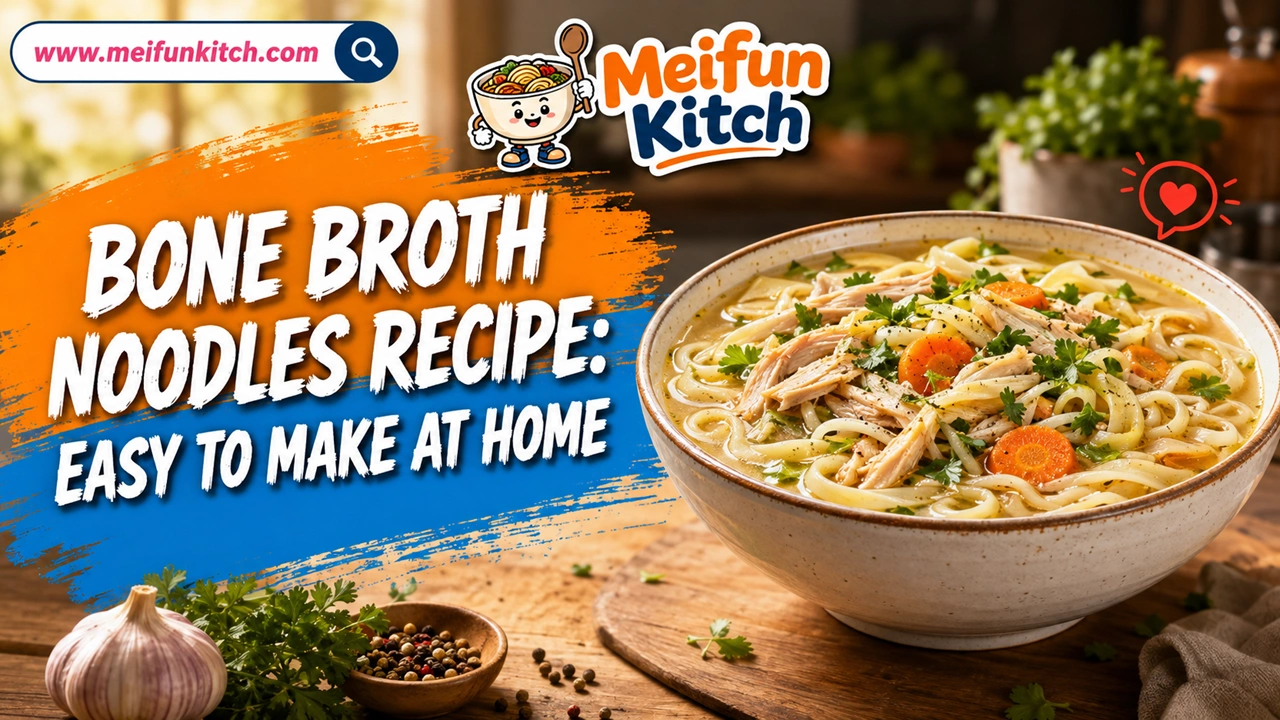
If you want a warm, filling meal packed with flavor and nutrition, bone broth noodles are an excellent choice. They combine tender noodles with a slow-simmered broth rich in collagen, protein, vitamins, and minerals. Unlike ordinary noodle soup, this comforting dish delivers deeper flavor while supporting overall wellness. Whether you prefer homemade recipes or convenient store-bought options, bone broth noodles offer a satisfying meal for busy weekdays and relaxing family dinners.
The growing popularity of bone broth noodles comes from their balance of taste and nutrition. Traditional bone broth is simmered for many hours, allowing nutrients from bones, connective tissues, and vegetables to infuse the broth naturally. When paired with fresh vegetables, lean proteins, and quality noodles, the result is a complete meal that suits many lifestyles. Many people enjoy this dish after workouts, during colder months, or whenever they need a nourishing bowl of comfort.
Plan Your Perfect Week of Meals
Build a personalized weekly diet plan in minutes — balanced meals, made simple.
This complete guide explains everything you need to know about bone broth noodles. You will learn about their health benefits, ingredients, nutrition facts, cooking methods, storage tips, and the best ways to customize every bowl. Along the way, you’ll also discover expert cooking tips, comparisons with regular noodle soup, answers to common questions, and simple ideas to prepare delicious bone broth noodles at home with confidence.
What Are Bone Broth Noodles And Why Are They So Popular?
What Makes Bone Broth Different From Regular Soup?
Bone Broth Noodles combine tender noodles with a slow-simmered broth made from beef, chicken, or pork bones. Unlike regular stock, bone broth cooks for many hours. This process releases collagen, gelatin, amino acids, and minerals that create a rich texture and deep flavor. As a result, the soup becomes more nourishing and satisfying.
Regular soup usually cooks quickly and focuses on light flavor. In contrast, homemade bone broth develops a silky consistency because natural gelatin dissolves into the liquid. When paired with ramen, rice noodles, or egg noodles, Bone Broth Noodles deliver a hearty meal that feels comforting and filling without becoming overly heavy.
The broth also works well with vegetables, lean meat, mushrooms, soft-boiled eggs, and fresh herbs. Therefore, every bowl can match different tastes and dietary needs. This flexibility makes Bone Broth Noodles a favorite choice for home cooks who enjoy healthy noodle soup recipes.
Why Bone Broth Noodles Are Trending Worldwide
The popularity of Bone Broth Noodles continues to grow because people want meals that combine great flavor with balanced nutrition. Many health-conscious eaters choose collagen-rich broth to increase protein intake while enjoying a warm and comforting dish.
Social media, cooking blogs, and recipe videos have introduced homemade bone broth to millions of people. At the same time, grocery stores now offer ready-made bone broth, making it easier to prepare restaurant-quality noodle soup at home. Consequently, more families include Bone Broth Noodles in their weekly meal plans.
Restaurants have also embraced this trend by serving premium noodle bowls with slow-cooked broth and fresh toppings. Whether topped with chicken, beef, seafood, or vegetables, Bone Broth Noodles provide rich flavor, satisfying texture, and wholesome ingredients that appeal to many different lifestyles.
How Bone Broth Noodles Are Made
Traditional Cooking Process
Traditional Bone Broth Noodles begin with high-quality beef, chicken, or pork bones. Many cooks roast the bones first because roasting creates a deeper color and richer flavor. Afterward, the bones simmer with onions, garlic, carrots, celery, ginger, and herbs for several hours to produce a nutrient-rich broth.
During the slow cooking process, collagen and gelatin naturally dissolve into the liquid. This gives homemade bone broth its signature silky texture and savory taste. Once the broth is strained, it becomes the perfect base for healthy noodle soup with fresh ingredients.
Why Slow Simmering Matters
Slow simmering allows flavors to develop naturally without relying on artificial seasonings. Instead of boiling rapidly, gentle heat extracts nutrients while keeping the broth clear and balanced. Therefore, the finished soup tastes smoother and more complex.
Most homemade recipes simmer for 8 to 24 hours. Although this takes time, the result is a rich broth that pairs perfectly with ramen, rice noodles, egg noodles, and udon. This is one reason Bone Broth Noodles stand out from ordinary noodle soup.
Modern Ready-To-Eat Bone Broth Noodles
Today, many brands sell ready-made Bone Broth Noodles for people with busy schedules. These products include concentrated bone broth, dried noodles, and seasoning packets that create a quick meal in minutes.
However, not every product offers the same quality. Look for options made with real bone broth, simple ingredients, lower sodium, and no unnecessary preservatives. Reading the nutrition label helps you choose a healthier bowl.
Choosing The Best Noodles For Bone Broth
The broth is the star, but the noodles also matter. Thin ramen noodles absorb the rich broth quickly, while udon noodles provide a soft and chewy texture. Rice noodles create a lighter meal and work well for gluten-free recipes.
Egg noodles remain another excellent option because they complement the savory broth without overpowering it. Choosing quality noodles ensures every bowl of Bone Broth Noodles has the perfect balance of texture and flavor.
Best Ingredients For Homemade Bone Broth Noodles
Choosing The Right Bones
The quality of the bones directly affects the flavor of Bone Broth Noodles. Beef marrow bones create a deep, rich broth, while chicken carcasses produce a lighter and slightly sweeter taste. Pork bones offer a creamy texture that works well in many Asian-inspired recipes.
Many experienced cooks combine different bones to create more complex flavors. Adding joints, knuckles, or feet increases the natural gelatin content, resulting in a fuller-bodied broth.
Fresh Vegetables That Build Flavor
Vegetables create a balanced broth without masking its natural richness. Onions, carrots, celery, garlic, ginger, mushrooms, and green onions are popular choices because they add sweetness and aroma.
Fresh herbs such as parsley, thyme, bay leaves, and cilantro also improve the flavor. These ingredients help transform simple Bone Broth Noodles into a restaurant-quality meal with minimal effort.
Seasonings That Enhance Every Bowl
Seasonings should complement the broth rather than overpower it. Soy sauce, white pepper, sesame oil, fish sauce, and a small amount of salt create a balanced flavor profile. Chili oil or red pepper flakes can add gentle heat for those who enjoy spicy noodles.
Fresh garlic, grated ginger, and toasted sesame seeds provide extra aroma before serving. Small finishing touches often make Bone Broth Noodles taste fresher and more satisfying than heavily seasoned soups.
Best Bones For Rich Bone Broth Noodles
Beef Bones Vs Chicken Bones
Beef bones create a bold, rich broth with a deep color and full-bodied flavor. Marrow bones, knuckles, and oxtail are popular choices because they release gelatin during long simmering. This type of broth pairs especially well with ramen, egg noodles, and hearty vegetables.
Chicken bones produce a lighter broth with a delicate taste. Whole chicken carcasses, wings, necks, and feet contain plenty of collagen, giving the soup a smooth texture without making it too heavy. Many families prefer chicken broth for everyday meals because it cooks faster than beef broth.
Pork Bones And Mixed Bone Broth Options
Pork bones create a creamy, slightly sweet broth that works beautifully in many Asian noodle recipes. Neck bones, trotters, and spine bones are common choices because they add both flavor and body. Slow cooking allows the broth to become silky while maintaining a balanced taste.
Many experienced cooks combine beef, chicken, and pork bones in one pot. This method creates a more complex flavor and a richer aroma. Mixed broths also provide a balanced base for vegetables, mushrooms, herbs, and different noodle varieties.
How To Choose Quality Bones
Fresh bones always produce better results than older frozen ones. Whenever possible, buy bones from a trusted butcher or local farm. Look for clean bones with a healthy color and small amounts of attached meat, which naturally improve the broth’s flavor.
Roasting the bones before simmering is another simple way to enhance taste. The roasting process develops deeper savory notes and gives the finished broth a beautiful golden-brown color.
Best Vegetables And Toppings For Bone Broth Noodles
Fresh Vegetables That Add Flavor
Fresh vegetables make every bowl more nutritious and colorful. Carrots, bok choy, spinach, mushrooms, cabbage, and green onions add vitamins, minerals, and natural sweetness without overpowering the broth.
Aromatics such as garlic, ginger, onions, and celery build layers of flavor during cooking. Fresh herbs like cilantro and parsley brighten the finished dish and provide a fresh contrast to the rich soup.
Protein Toppings For A Complete Meal
Adding protein turns a simple noodle bowl into a satisfying meal. Shredded chicken, sliced beef, shrimp, turkey, tofu, and soft-boiled eggs are excellent choices because they complement the rich broth without masking its flavor.
Lean proteins also improve the nutritional value by increasing protein intake while keeping the meal balanced. Mixing vegetables with quality protein creates a filling dish suitable for lunch or dinner.
Flavor Boosters Worth Trying
Simple toppings can transform the final bowl. Toasted sesame seeds, chili oil, black pepper, fresh lime juice, and crispy garlic add texture and aroma with very little effort.
You can also finish the soup with seaweed, bamboo shoots, bean sprouts, or corn for extra variety. These ingredients add freshness while keeping Bone Broth Noodles exciting every time you prepare them.
Bone Broth Noodles Nutrition Facts
Calories, Protein, And Healthy Fats
The nutritional value of a bowl depends on the broth, noodles, and toppings you choose. A homemade version usually contains more protein and fewer additives than many instant noodle products. Lean meat, vegetables, and quality noodles create a balanced meal that provides lasting energy.
Bone broth naturally contains protein, while the noodles supply carbohydrates for fuel. Healthy fats may also be present, especially when the broth is made from beef or pork bones. Choosing whole-food ingredients helps improve the overall nutritional profile.
Important Vitamins And Minerals
A slow-simmered broth provides minerals such as calcium, phosphorus, magnesium, and potassium. The exact amounts vary depending on the bones, cooking time, and ingredients. Fresh vegetables also contribute vitamins A, C, and K, along with dietary fiber.
Adding spinach, mushrooms, carrots, or bok choy increases both nutrition and flavor. This combination creates a wholesome meal without relying on heavily processed ingredients.
How To Make Your Bowl Healthier
Small ingredient swaps can make a big difference. Choose low-sodium broth, whole-grain noodles, or rice noodles if they better suit your dietary needs. Fresh herbs and vegetables add flavor naturally, reducing the need for extra salt.
Instead of processed toppings, use grilled chicken, boiled eggs, tofu, or shrimp. These choices increase protein while keeping the meal balanced and satisfying.
Can Bone Broth Noodles Help With Weight Loss?
Why This Meal Keeps You Full Longer
Many people include this nourishing noodle soup in a weight-management plan because it contains protein and a satisfying broth. Protein helps increase fullness, which may reduce unnecessary snacking between meals.
Vegetables also add fiber and volume without adding many calories. Together, these ingredients create a meal that feels filling while remaining well-balanced.
Simple Ways To Reduce Calories
Reducing calories does not mean sacrificing flavor. Use lean chicken instead of fatty meats, increase vegetables, and choose moderate portions of noodles. These simple adjustments lower calorie intake while maintaining a satisfying meal.
You can also skim excess fat from homemade broth after refrigeration. This technique creates a lighter soup without changing its rich taste.
Portion Control Tips
Eating appropriate portions remains important, regardless of the recipe. Fill half the bowl with vegetables, add a moderate serving of noodles, and include a quality protein source.
Balanced portions provide steady energy and help prevent overeating. This approach works well whether you prepare homemade soup or enjoy a restaurant-style bowl.
High-Protein Bone Broth Noodles For Muscle Recovery
Why Athletes Choose Bone Broth
Athletes often look for meals that provide both protein and hydration after exercise. A warm broth paired with lean meat and quality noodles supplies nutrients that support post-workout recovery and replenish energy.
The comforting broth is also easy to enjoy after intense physical activity. Adding vegetables creates an even more balanced recovery meal.
Best Protein Sources To Add
Chicken breast, lean beef, turkey, shrimp, tofu, and boiled eggs all work well in a protein-rich noodle bowl. These ingredients increase protein without making the soup overly heavy.
Combining different protein sources with fresh vegetables creates a satisfying meal suitable for active lifestyles and everyday healthy eating.
Are Bone Broth Noodles Good For Meal Prep?
Why They Are Perfect For Weekly Meal Planning
This recipe stores well, making it an excellent option for weekly meal preparation. Many people cook a large batch of broth and refrigerate or freeze it for future meals.
Preparing ingredients in advance also saves time during busy weekdays. Fresh vegetables and cooked protein can be added just before serving for the best texture.
Meal Prep Storage Tips
Store the broth separately from the noodles whenever possible. This prevents the noodles from becoming overly soft during storage. Airtight containers help preserve freshness for several days in the refrigerator.
Frozen broth lasts even longer and can be thawed whenever needed. Cooking fresh noodles before serving keeps every bowl flavorful and enjoyable.
Are Bone Broth Noodles Good For Gut Health?
Can Bone Broth Support Digestion?
Many people enjoy Bone Broth Noodles because the slow-simmered broth contains gelatin and naturally occurring amino acids. While research is still evolving, these nutrients are commonly associated with digestive wellness as part of a balanced diet. The warm broth is also gentle on the stomach, making it a comforting meal.
A nourishing bowl becomes even more beneficial when combined with fiber-rich vegetables such as spinach, bok choy, carrots, and mushrooms. Together, these ingredients create a healthy noodle soup that is both satisfying and easy to enjoy.
Best Ingredients For Better Digestive Health
Simple ingredients often produce the best results. Fresh ginger, garlic, onions, and leafy greens add flavor while contributing valuable nutrients. Choosing homemade bone broth also gives you better control over sodium and ingredient quality.
For extra balance, pair the broth with lean protein and quality noodles instead of heavily processed ingredients. This approach helps create a wholesome meal suitable for everyday eating.
Who May Benefit The Most?
Busy professionals, active individuals, older adults, and families often include Bone Broth Noodles in their weekly meal plans. The combination of protein, vegetables, and slow-cooked broth makes it a filling option for lunch or dinner.
People recovering from seasonal illnesses also appreciate a warm bowl because it feels comforting and hydrating. However, anyone with specific medical conditions should follow advice from a qualified healthcare professional.
Best Store-Bought Bone Broth Noodles
What To Look For Before Buying
Not every packaged product offers the same quality. When shopping for Bone Broth Noodles, choose brands made with real bone broth instead of artificial flavoring. A shorter ingredient list usually indicates a less processed product.
Nutrition labels are equally important. Compare sodium, protein, and ingredient quality before making a purchase. Products with higher protein and lower sodium are often better choices.
Healthy Ingredients To Choose
Look for products containing real chicken, beef, or pork bone broth along with natural vegetables and seasonings. Whole-grain, rice, or air-dried noodles can also improve the overall nutritional value.
Avoid products containing excessive preservatives, artificial colors, or large amounts of added sugar. Simple recipes usually provide a cleaner flavor and better eating experience.
Signs Of A High-Quality Product
Premium products often highlight slow-simmered broth, real collagen-rich stock, and natural ingredients on the packaging. Many brands also state how long the broth was cooked, which can indicate a richer flavor.
Reading customer reviews and ingredient lists helps you compare different options before buying. Spending a little more on quality ingredients often results in a much better bowl of Bone Broth Noodles.
Bone Broth Noodles Vs Regular Noodle Soup
Nutrition Comparison
One major difference is the broth itself. Bone Broth Noodles usually contain more protein because the broth is prepared by simmering bones for many hours. Regular noodle soup often relies on standard stock, which may have a lighter nutritional profile.
Adding vegetables, lean meat, and fresh herbs further increases the nutritional value. As a result, the meal becomes more balanced without adding unnecessary processed ingredients.
Flavor And Texture Differences
Bone broth develops a rich, savory flavor that regular stock rarely matches. The natural gelatin creates a silky texture, allowing every bite of noodles to absorb more flavor.
Traditional soup stock feels lighter, while slow-simmered broth delivers a fuller mouthfeel. This difference explains why many restaurants spend hours preparing their signature broth.
Which One Is Better?
The best choice depends on your preferences and dietary goals. If you enjoy deep flavor, higher protein, and homemade cooking, Bone Broth Noodles are an excellent option.
Regular noodle soup still works well for quick meals. However, a carefully prepared bone broth offers a richer taste and a more satisfying dining experience.
How To Store And Reheat Bone Broth Noodles
Best Way To Store Leftovers
Proper storage keeps Bone Broth Noodles fresh and flavorful for several days. For the best results, store the broth and noodles in separate airtight containers. This prevents the noodles from absorbing too much liquid and becoming overly soft.
Allow the broth to cool before placing it in the refrigerator. It usually stays fresh for up to four days, while the noodles maintain a better texture when stored separately.
Can You Freeze Bone Broth?
Yes, homemade bone broth freezes very well. Pour the cooled broth into freezer-safe containers, leaving a little space for expansion. Label each container with the date to make meal planning easier.
Frozen broth can last for several months without losing much of its flavor. When needed, thaw it overnight in the refrigerator before reheating and adding freshly cooked noodles.
How To Reheat Without Losing Flavor
Reheat the broth over medium heat until it begins to simmer gently. Avoid boiling it for a long time because excessive heat may affect both flavor and texture.
Cook fresh noodles separately whenever possible. Then combine them with the hot broth just before serving. This simple method keeps every bowl tasting fresh and restaurant-quality.
Common Mistakes When Cooking Bone Broth Noodles
Using The Wrong Cooking Temperature
Many beginners boil the broth too aggressively. A gentle simmer produces a clearer broth with a smoother flavor, while rapid boiling can make it cloudy and reduce its overall quality.
Patience is important when preparing Bone Broth Noodles. Slow cooking allows the ingredients to release their natural flavors without becoming bitter.
Adding Too Much Salt Too Early
Seasoning the broth at the beginning may result in an overly salty soup after hours of simmering. As liquid evaporates, the salt becomes more concentrated.
Instead, taste the broth near the end of cooking. Then adjust the seasoning gradually with salt, soy sauce, or other flavor enhancers.
Overcooking The Noodles
Perfect noodles should remain tender with a slight bite. Leaving them in hot broth for too long causes them to soften and lose their texture.
Cook the noodles according to the package instructions. Add them to the serving bowl shortly before eating to maintain the best consistency.
Ignoring Fresh Garnishes
Fresh toppings add color, aroma, and texture that complete the dish. Green onions, cilantro, bean sprouts, sesame seeds, chili oil, and soft-boiled eggs all enhance the final presentation.
Even a simple garnish can make homemade Bone Broth Noodles look and taste like a meal from a professional restaurant.
Bone Broth Noodles Recipes From Around The World
Japanese-Inspired Bone Broth Noodles
Japanese-style bowls often feature rich broth paired with ramen noodles, sliced chicken or pork, soft-boiled eggs, mushrooms, and green onions. Sesame oil and nori add extra depth without overpowering the soup.
This version focuses on balance, allowing the broth to remain the star of the meal while fresh toppings provide texture and freshness.
Chinese-Style Bone Broth Noodles
Chinese recipes frequently combine slow-cooked broth with egg noodles, bok choy, ginger, garlic, and thinly sliced beef. Soy sauce and white pepper add a savory finish that complements the rich stock.
Many home cooks also include dumplings or wontons, creating a hearty meal that works well for family dinners and special occasions.
Korean-Inspired Bone Broth Soup
Korean cuisine includes several soups prepared with long-simmered beef bones. When served with noodles, sliced beef, green onions, and kimchi, the result is both comforting and full of flavor.
The combination of rich broth and spicy side dishes creates a satisfying contrast that many people enjoy throughout the year.
Western Comfort Bowl Variations
Western versions often combine Bone Broth Noodles with roasted chicken, turkey, seasonal vegetables, herbs, and whole-grain noodles. Garlic, thyme, parsley, and black pepper create a familiar flavor profile that appeals to all ages.
These recipes are easy to customize using ingredients already available at home. They also make excellent meal-prep options for busy weekdays.
Who Should Eat Bone Broth Noodles?
A Great Choice For Active Lifestyles
Bone Broth Noodles are an excellent meal for people with active lifestyles. The combination of protein, slow-simmered broth, and quality carbohydrates provides lasting energy throughout the day. Athletes and fitness enthusiasts often enjoy this nourishing noodle bowl after exercise because it is both filling and flavorful.
Adding grilled chicken, lean beef, tofu, or eggs increases the protein content even further. Pairing these ingredients with fresh vegetables creates a balanced meal that supports an overall healthy eating pattern.
A Comforting Meal For Families
Families appreciate homemade Bone Broth Noodles because they are easy to customize for different tastes. Children may enjoy simple chicken broth with egg noodles, while adults can add mushrooms, leafy greens, chili oil, or extra vegetables for more flavor.
This healthy noodle soup also makes excellent use of leftover vegetables and cooked meat. As a result, it helps reduce food waste while creating a satisfying dinner everyone can enjoy.
Ideal For Cold Weather And Recovery Meals
A warm bowl of collagen-rich broth is especially comforting during colder months. The rich aroma and slow-cooked flavor make it a favorite meal when people want something nourishing without feeling overly heavy.
Many people also prepare homemade bone broth after seasonal illnesses because the warm soup is easy to enjoy. Staying hydrated and eating balanced meals remain important parts of overall wellness.
Restaurant-Style Bone Broth Noodles At Home
Build Layers Of Flavor
Restaurant-quality broth develops through patience rather than complicated ingredients. Roasting the bones before simmering creates a deeper flavor and a beautiful golden color. Aromatics such as onions, garlic, celery, ginger, and carrots build a rich foundation.
Adding herbs during the final stage keeps their flavor fresh instead of overpowering the broth. This simple technique produces a cleaner and more balanced taste.
Choose Fresh Ingredients Every Time
Fresh ingredients make a noticeable difference in Bone Broth Noodles. Crisp vegetables, quality noodles, and fresh herbs improve both texture and appearance. Even simple toppings can transform an ordinary bowl into a premium meal.
Whenever possible, use homemade bone broth instead of heavily processed alternatives. Freshly prepared broth usually delivers better flavor and gives you complete control over the ingredients.
Finish Like A Professional Chef
Professional chefs rarely stop after cooking the soup. Fresh green onions, toasted sesame seeds, soft-boiled eggs, bean sprouts, and a few drops of sesame oil create extra aroma and visual appeal.
Serving the noodles immediately after combining them with the broth keeps their texture perfect. This small detail makes every bowl taste freshly prepared.
Best Side Dishes To Serve With Bone Broth Noodles
Fresh Salads And Light Appetizers
A crisp salad balances the richness of Bone Broth Noodles. Cucumber salad, cabbage slaw, or mixed greens provide freshness and add extra vitamins without making the meal heavy.
Light appetizers such as steamed dumplings, vegetable spring rolls, or edamame also pair well with the broth. These sides create a complete dining experience while keeping the focus on the main dish.
Protein-Rich Side Options
If you want a heartier meal, serve the soup with grilled chicken skewers, baked salmon, or marinated tofu. These additions increase protein while complementing the savory broth.
For family dinners, roasted vegetables and grilled mushrooms also work well. Their natural sweetness enhances the deep flavor of slow-simmered stock.
Refreshing Drinks That Pair Well
Simple beverages help balance the meal without overpowering its taste. Green tea, sparkling water with lemon, or unsweetened iced tea are refreshing choices.
These drinks cleanse the palate and allow the rich flavors of the broth to remain the highlight of every bite.
Expert Tips For Making The Best Bone Broth Noodles
Use Homemade Bone Broth Whenever Possible
Homemade broth often contains fewer additives than many packaged products. It also allows you to control the seasoning, cooking time, and ingredient quality. This extra effort usually results in richer flavor and better nutrition.
If time is limited, choose high-quality store-bought bone broth made with simple ingredients and lower sodium.
Balance Flavor With Texture
The best Bone Broth Noodles combine rich broth with noodles that remain slightly firm. Fresh vegetables add crunch, while mushrooms and soft-boiled eggs create variety in every bite.
A balanced bowl keeps each ingredient noticeable instead of allowing one flavor to dominate the others.
Customize Every Bowl
One advantage of this recipe is its flexibility. You can prepare spicy, mild, vegetarian-inspired, gluten-free, or high-protein versions using the same broth as a base.
How To Customize Bone Broth Noodles For Every Diet
High-Protein Bone Broth Noodles
If your goal is to increase protein intake, Bone Broth Noodles can easily become a high-protein meal. Add grilled chicken breast, lean beef, shrimp, turkey, tofu, or two soft-boiled eggs for extra nutrition. These ingredients increase protein while keeping the broth flavorful.
Pair the protein with vegetables such as spinach, broccoli, mushrooms, or bok choy. This combination creates a balanced bowl that supports active lifestyles and keeps you satisfied for longer.
Gluten-Free Options
People avoiding gluten do not have to miss this comforting dish. Simply replace traditional wheat noodles with rice noodles, buckwheat noodles, or certified gluten-free noodles. The rich broth still delivers the same satisfying flavor.
Always check packaged ingredients because some sauces and seasonings may contain hidden gluten. Reading labels carefully helps create a safe and delicious meal.
Low-Carb And Keto Variations
A low-carb version is easy to prepare. Replace regular noodles with zucchini noodles, shirataki noodles, or cabbage ribbons while keeping the slow-simmered broth as the base.
Healthy fats, lean protein, and fresh vegetables create a filling meal without relying on refined carbohydrates. This variation remains rich in flavor while fitting lower-carb eating plans.
Easy Homemade Bone Broth Noodles Recipe
Ingredients You’ll Need
Making Bone Broth Noodles at home requires only a few fresh ingredients. Prepare homemade bone broth or use a quality store-bought option. Then gather your favorite noodles, fresh vegetables, herbs, garlic, ginger, and a protein such as chicken or beef.
Additional toppings like sesame seeds, green onions, bean sprouts, mushrooms, and soft-boiled eggs add extra texture and make the meal look restaurant-quality.
Simple Cooking Instructions
Heat the broth until it gently simmers. Meanwhile, cook the noodles separately according to the package instructions. This keeps them firm and prevents them from becoming overly soft.
Place the cooked noodles into serving bowls, pour the hot broth over them, and add vegetables, protein, and fresh toppings. Finish with sesame oil or chili oil if desired for extra flavor.
Serving Suggestions
Serve the soup immediately while the broth is hot and aromatic. Fresh herbs and crunchy vegetables provide excellent contrast to the silky broth.
A side of steamed dumplings or a light cucumber salad pairs perfectly with this healthy noodle soup, creating a complete meal for lunch or dinner.
Common Ingredients That Improve Bone Broth Flavor
Fresh Herbs And Aromatics
Fresh aromatics create layers of flavor in every bowl. Garlic, ginger, onions, celery, carrots, parsley, thyme, cilantro, and bay leaves all enhance the broth naturally.
Adding herbs near the end of cooking preserves their freshness and prevents them from becoming bitter. This simple technique produces a cleaner taste.
Natural Umami Boosters
Umami ingredients deepen the flavor without requiring excessive salt. Mushrooms, roasted garlic, tomato paste, fish sauce, soy sauce, and dried seaweed are excellent choices.
These ingredients help homemade broth develop a restaurant-style richness that complements many noodle varieties.
Spices That Complement Bone Broth
Black pepper, white pepper, star anise, cinnamon sticks, cloves, and whole peppercorns add subtle complexity when used in moderation. The goal is to enhance the broth rather than overpower it.
A small amount of toasted sesame oil or chili oil added before serving also creates a pleasant aroma that elevates the entire dish.
Bone Broth Noodles For Every Season
A Comforting Winter Meal
During colder months, Bone Broth Noodles provide warmth, comfort, and rich flavor. The steaming broth helps create a satisfying meal that is perfect after a long day outdoors.
Seasonal vegetables such as cabbage, carrots, mushrooms, and kale make winter bowls even more nutritious and colorful.
Light Spring And Summer Variations
Warm weather calls for lighter ingredients. Chicken bone broth, rice noodles, spinach, bean sprouts, and fresh herbs create a refreshing meal without feeling too heavy.
A squeeze of fresh lime and chopped cilantro brightens the broth while adding natural freshness.
Autumn-Inspired Flavor Ideas
Autumn vegetables such as pumpkin, sweet potatoes, mushrooms, and roasted garlic pair beautifully with slow-cooked broth. Their natural sweetness balances the savory flavors.
Adding roasted chicken or lean beef creates a hearty seasonal dinner that the whole family can enjoy.
Why Bone Broth Noodles Continue To Grow In Popularity
A Perfect Balance Of Flavor And Nutrition
Consumers increasingly look for meals that combine nutrition with convenience. Bone Broth Noodles meet this demand by offering protein, comforting broth, and endless customization options in one bowl.
Whether prepared at home or purchased ready-made, they fit many lifestyles and dietary preferences.
Loved By Home Cooks And Chefs
Professional chefs value slow-simmered broth because it develops exceptional depth of flavor. At the same time, home cooks appreciate how easily the recipe adapts to available ingredients.
This flexibility explains why the dish appears in restaurants, food blogs, meal-prep plans, and family kitchens around the world.
A Recipe That Never Gets Boring
Every bowl can be different. Switching noodles, proteins, vegetables, herbs, and seasonings creates new flavors without changing the basic cooking method.
That versatility keeps Bone Broth Noodles exciting for beginners and experienced cooks alike, making them one of the most adaptable healthy comfort foods available today.
Conclusion
Bone Broth Noodles are much more than a comforting bowl of soup. They combine rich flavor, wholesome ingredients, and impressive versatility in one satisfying meal. Whether you prepare them with chicken, beef, or pork broth, this dish can easily fit different lifestyles and dietary preferences. Adding fresh vegetables, lean protein, and quality noodles creates a balanced meal that is both delicious and nourishing.
Homemade recipes give you complete control over ingredients, while high-quality store-bought options offer convenience without sacrificing too much flavor. You can also customize every bowl with seasonal vegetables, herbs, spices, and your favorite protein. From quick weekday dinners to restaurant-style meals, Bone Broth Noodles adapt to almost any occasion.
If you’re looking for a healthy noodle soup that delivers deep flavor and endless variety, this recipe deserves a place in your kitchen. With the right ingredients and simple cooking techniques, you can enjoy a comforting bowl that is rich in taste, packed with nutrition, and easy to prepare throughout the year.
Frequently Asked Questions About Bone Broth Noodles
Can You Use Bone Broth To Make Ramen?
Yes. Bone broth makes an excellent base for ramen because it provides a deeper, richer flavor than regular stock. Pair it with fresh ramen noodles, vegetables, soft-boiled eggs, and your preferred protein to create a restaurant-style bowl at home.
What Are The Benefits Of Boiling Noodles In Bone Broth?
Cooking noodles directly in bone broth allows them to absorb more flavor during the cooking process. However, the noodles also absorb some liquid and release starch into the broth. For a clearer soup, many cooks prepare the noodles separately before combining them with the broth.
How To Make Broth Noodles?
Start by heating homemade or store-bought bone broth until it gently simmers. Cook the noodles according to their package instructions, then add them to serving bowls. Finish with vegetables, lean protein, fresh herbs, mushrooms, green onions, and seasonings for a complete meal.
What Is The Difference Between Ramen Broth And Bone Broth?
Bone broth refers to broth made by simmering animal bones for many hours to extract collagen, gelatin, and rich flavor. Ramen broth is the finished soup served with ramen noodles. It may use bone broth as its base, but it often includes ingredients such as soy sauce, miso, seafood stock, garlic, ginger, sesame oil, and other seasonings to create its unique taste.
Are Bone Broth Noodles Healthy?
They can be a healthy meal when prepared with quality ingredients. Fresh vegetables, lean protein, and homemade bone broth provide a balanced combination of protein, vitamins, minerals, and satisfying flavor. Choosing lower-sodium broth further improves the nutritional value.
Can You Eat Bone Broth Noodles Every Day?
Yes, they can be enjoyed regularly as part of a balanced diet. Vary the vegetables, protein sources, and noodle types to ensure you receive a wide range of nutrients while avoiding excessive sodium.
What Noodles Work Best With Bone Broth?
Ramen noodles, egg noodles, rice noodles, udon, soba, and whole-grain noodles all pair well with slow-simmered broth. The best choice depends on your preferred texture and dietary needs.
Can Bone Broth Noodles Be Frozen?
It is best to freeze only the broth. Freshly cooked noodles maintain a much better texture when prepared just before serving. Frozen broth stays flavorful for several months when stored in airtight containers.
How Long Should Bone Broth Simmer?
Chicken bones typically simmer for 8 to 12 hours, while beef bones often require 12 to 24 hours. A slow simmer extracts more flavor and creates the rich texture that makes bone broth so popular.

Alex Balducci
Author43 Published Articles
Alex Balducci is a nutritionist, food writer, and health enthusiast dedicated to helping readers make informed dietary choices through reliable, easy-to-understand content. With a passion for nutrition, healthy eating, and balanced lifestyles, Alex creates well-researched articles covering nutrition facts, wholesome recipes, meal planning, and ingredient guides
EducationB.Sc. in Nutrition and Dietetics.
Experience10 Years.
ExpertiseWrites About Nutrition Facts