
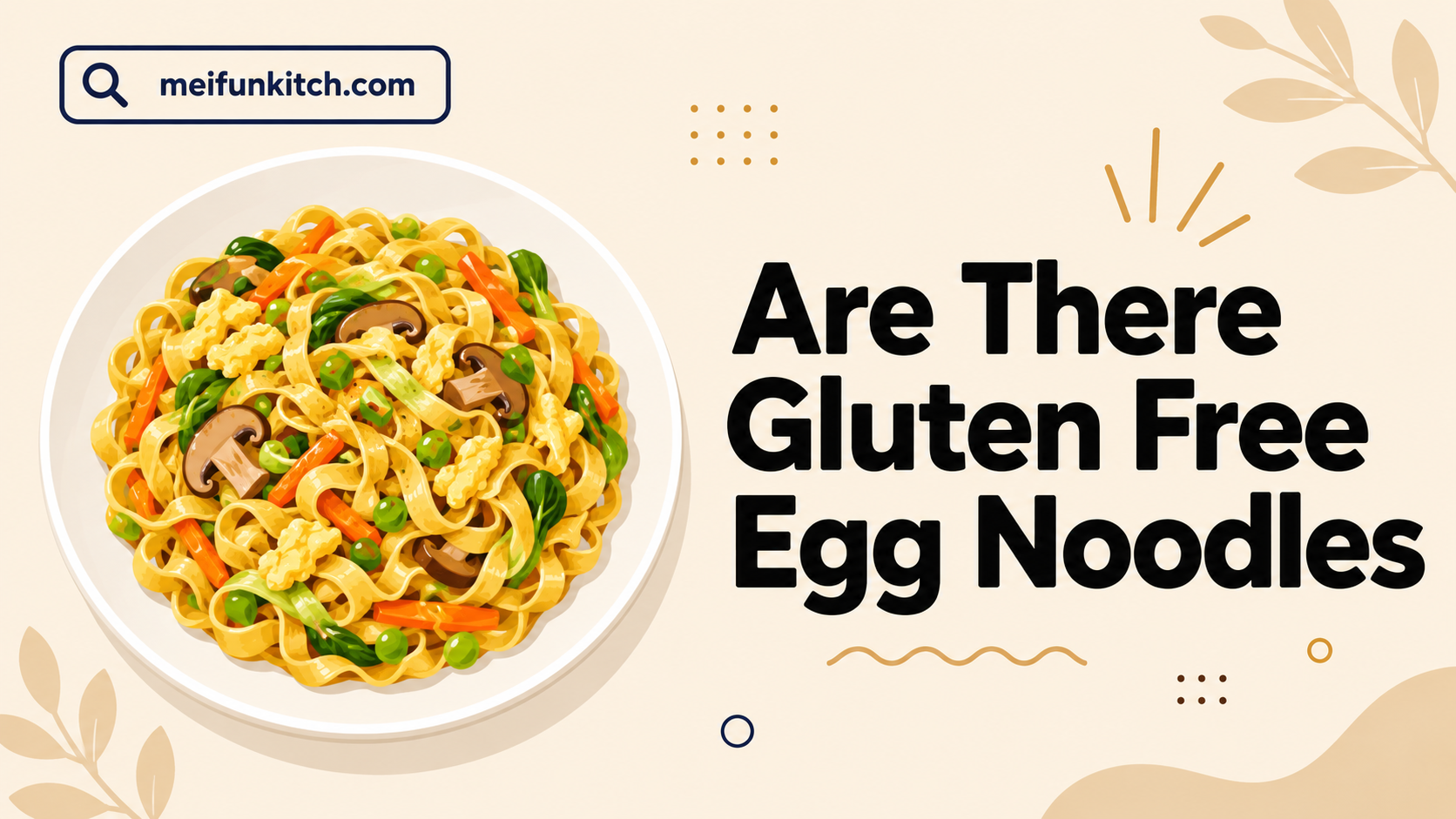
Many people love noodles because they are soft, tasty, and easy to cook. But some people cannot eat gluten because it may hurt their stomach or make them feel sick. Many families ask, “Are there gluten free egg noodles?” The good news is that some brands make egg noodles without wheat, so people who need gluten free foods can safely enjoy them.
- 1. What Are Gluten Free Egg Noodles?
- 2. Are All Egg Noodles Gluten Free?
- 3. Ingredients Used in Gluten Free Egg Noodles
- 4. How Gluten Free Egg Noodles Are Made
- 5. Best Gluten Free Flour for Egg Noodles
- 6. Do Gluten Free Egg Noodles Taste Different?
- 7. Healthy Benefits of Gluten Free Egg Noodles
- 8. Who Should Eat Gluten Free Egg Noodles?
- 9. How to Cook Gluten Free Egg Noodles Properly
- 10. Best Dishes to Make With Gluten Free Egg Noodles
- 11. Gluten Free Egg Noodles vs Regular Egg Noodles
- 12. Can Kids Eat Gluten Free Egg Noodles?
- 13. Where to Buy Gluten Free Egg Noodles
- 14. Popular Brands of Gluten Free Egg Noodles
- 15. Tips for Choosing Safe Gluten Free Noodles
- 16. Common Mistakes When Buying Gluten Free Egg Noodles
- 17. Conclusion:
- 18. FAQs:
Manufacturers often make gluten free egg noodles with rice flour, corn flour, or other special gluten free ingredients.. They can still taste yummy and work well in soups, pasta dishes, and noodle meals. Some brands also make homemade-style gluten free egg noodles that look and feel like regular noodles. Always read the food label carefully to make sure the package says “gluten free.”
This blog post explains what gluten free egg noodles are, how companies make them, and which types you should try.. We will also share simple cooking tips, healthy facts, and easy ideas for meals with gluten free noodles. This guide will help you enjoy tasty noodle dishes in a safe and fun way.
What Are Gluten Free Egg Noodles?
Gluten free egg noodles are a special type of noodle that manufacturers make without wheat. People who cannot eat gluten often choose these noodles as a safe food option. Manufacturers still use eggs for flavor and texture, but they replace wheat flour with gluten-free ingredients like rice flour or corn flour.
Manufacturers make these noodles for people with gluten sensitivity or celiac disease. Many people also enjoy them as a lighter food option. These noodles have a soft texture, and you can use them in soups, stir-fries, and quick meals.
Today, many food brands clearly label gluten-free products, which makes it easier for families to choose safe meals. This gives people more confidence when shopping and cooking at home.
Key Features Table
| Feature | Details |
| Main Flour | Rice or corn flour |
| Gluten Content | None |
| Egg Used | Yes |
| Texture | Soft and light |
| Best For | Gluten-sensitive diets |
| Cooking Use | Soups, stir-fry |
| Taste | Mild |
| Availability | Stores & online |
| Digestibility | Easy |
| Shelf Life | Medium |
| Label Required | Yes |
Are All Egg Noodles Gluten Free?
Introduction
Not all egg noodles are safe for a gluten-free diet. Cooks make traditional flavors with wheat flour, which naturally contains gluten. This means most regular noodles are not suitable for people who must avoid gluten.
The reason wheat is used is because it helps give noodles their structure and chewiness. Without it, the dough would not hold together in the same way. That is why standard noodles are usually not gluten-free.
However, modern food production has changed things. Some brands now offer special versions made with alternative flours. Manufacturers create these noodles for people who need safer food choices but still want a similar taste and texture.
Comparison Table
| Type | Gluten Present | Safe Choice | Main Flour | Texture | Use |
| Regular egg noodles | Yes | No | Wheat flour | Firm | |
| Gluten-free version | No | Yes | Rice/corn flour | Soft | |
| Homemade GF noodles | No | Yes | Mixed flours | Variable | |
| Instant noodles | Yes | No | Wheat flour | Soft | |
| Rice noodles | No | Yes | Rice flour | Light | |
| Restaurant noodles | Usually yes | No | Wheat flour | Chewy | |
| Quinoa noodles | No | Yes | Quinoa flour | Slightly firm | |
| Corn noodles | No | Yes | Corn flour | Smooth | |
| Mixed grain noodles | Sometimes | Depends | Mixed grains | Varies | |
| Organic noodles | Usually yes | No | Wheat flour | Firm |
Ingredients Used in Gluten Free Egg Noodles
Introduction
The ingredients used in these noodles are carefully chosen to replace wheat while keeping good taste and texture. Instead of wheat flour, manufacturers use rice flour, corn flour, or other gluten-free options.
Eggs are an important part because they help hold the dough together. Since gluten is missing, extra binding agents like tapioca starch are sometimes added. These help improve structure and prevent breaking during cooking.
Food experts test different combinations to make sure the noodles cook properly. The goal is to create a balance between softness and strength so they feel enjoyable to eat.
Ingredients Comparison Table
| Ingredient | Purpose | Gluten-Free | Role in Noodles | Texture Effect | Nutrition |
| Wheat flour | Structure | No | Traditional base | Elastic | |
| Rice flour | Base flour | Yes | Main replacement | Soft | |
| Corn flour | Smoothness | Yes | Texture balance | Mild | |
| Eggs | Binding | Yes | Protein source | Firm | |
| Tapioca starch | Binding | Yes | Improves chewiness | Flexible | |
| Potato starch | Softness | Yes | Light texture | Smooth | |
| Xanthan gum | Stability | Yes | Holds dough | Elastic | |
| Water | Mixing | Yes | Dough formation | Neutral | |
| Salt | Flavor | Yes | Taste enhancer | None | |
| Quinoa flour | Nutrition | Yes | Protein boost | Slightly firm |
How Gluten Free Egg Noodles Are Made
Introduction
The process of making these noodles starts by mixing gluten-free flour with eggs and water. Since there is no gluten, the dough needs extra care during preparation to avoid breaking.
After mixing, the dough is gently kneaded and rolled. This step is very important because it affects the final texture of the noodles.
Finally, the dough is cut into thin strips and either dried or packed fresh. Manufacturers focus on making sure the noodles stay soft when cooked and do not fall apart easily.
Production Comparison Table
| Step | Gluten-Free Method | Regular Method |
| Flour type | Rice/corn flour | Wheat flour |
| Dough strength | Delicate | Strong |
| Binding | Added agents | Natural gluten |
| Kneading | Gentle | Strong |
| Rolling | Careful | Standard |
| Cutting | Precise | Flexible |
| Drying | Controlled | Normal |
| Texture | Soft | Chewy |
| Break risk | Higher | Lower |
| Shelf life | Medium | Long |
Best Gluten Free Flour for Egg Noodles
Introduction
Different flours give different results in noodle making. Choosing the right one is important for taste and texture. Cooks use rice flour because it is light and easy to work with.
Corn flour is also popular because it gives a smooth texture. Cooks also use Tapioca starch Some premium options use quinoa flour for extra nutrition.
Most manufacturers mix two or more flours to create a balanced product. This helps improve cooking quality and makes noodles more enjoyable.
Flour Comparison Table
| Flour | Texture | Taste | Nutrition | Use | Cost | Availability | Cooking Result | Elasticity | Popular |
| Rice flour | Soft | Neutral | Low | Base | Low | High | |||
| Corn flour | Smooth | Mild | Medium | Soup noodles | Low | High | |||
| Tapioca starch | Chewy | Neutral | Low | Binding | Medium | Medium | |||
| Quinoa flour | Firm | Nutty | High | Premium noodles | High | Low | |||
| Potato starch | Light | Neutral | Low | Soft noodles | Medium | Medium | |||
| Chickpea flour | Dense | Earthy | High | Protein noodles | Medium | Medium | |||
| Sorghum flour | Balanced | Mild | Medium | Blends | Medium | Low | |||
| Buckwheat flour | Strong | Earthy | High | Asian style | Medium | Medium | |||
| Almond flour | Heavy | Nutty | High | Specialty | High | Low | |||
| Coconut flour | Dry | Sweet | Medium | Baking mix | Medium | Low |
Do Gluten Free Egg Noodles Taste Different?
Introduction
Taste is one of the most common concerns for people trying these noodles. Many wonder if they feel the same as regular ones. The answer is that there are small differences, but they are not very strong.
These noodles often taste lighter and softer because they do not contain wheat. Some people notice a slight change in chewiness, but this depends on how they are cooked.
With sauces, spices, and proper cooking, the taste becomes very close to regular noodles. Many people cannot even tell the difference in mixed dishes.
Taste Comparison Table
| Factor | Gluten-Free Version | Regular Version |
| Taste strength | Mild | Stronger |
| Texture | Soft | Chewy |
| Sauce absorption | High | Medium |
| Mouth feel | Light | Firm |
| Aroma | Neutral | Wheat aroma |
| Cooking flexibility | Medium | High |
| Freshness | Best fresh | Stable |
| Kid preference | High | High |
| Restaurant use | Growing | Common |
| Flavor blend | Very good | Very good |
Healthy Benefits of Gluten Free Egg Noodles
Introduction
Many people choose this food option because it can support a lighter and more balanced diet. People who avoid wheat often ask about the health effects of gluten-free pasta choices. One key benefit is that it removes gluten, which can help those with sensitivity feel more comfortable after meals.
Another benefit is that these noodles are often made with simple ingredients like rice flour or corn flour. These ingredients are easier to digest for many people. They also provide energy without feeling too heavy on the stomach.
They can also be part of a balanced meal when paired with vegetables, lean protein, or light sauces. This makes them a flexible option for everyday cooking at home.
Health Comparison Table
| Health Factor | Gluten-Free Version | Regular Version |
| Gluten content | None | Present |
| Digestibility | Easier for sensitive people | May cause discomfort |
| Energy source | Simple carbs | Complex carbs |
| Stomach comfort | Lighter feel | Heavier feel |
| Allergy risk | Low (gluten-free) | Higher |
| Fiber content | Moderate | Moderate |
| Protein source | Eggs + flour mix | Eggs + wheat |
| Suitability for celiac | Safe | Not safe |
| Weight control support | Better portion control | Standard |
| Ingredient simplicity | Simple | Standard |
| Meal flexibility | High | High |
Who Should Eat Gluten Free Egg Noodles?
Introduction
These noodles are a good choice for people who cannot eat wheat products. Many individuals with gluten sensitivity or celiac disease need safe alternatives for daily meals. That is why they often prefer gluten-free pasta options.
They can also be helpful for people who want lighter meals that are easier on digestion. Some people choose them simply to try different food options and reduce wheat intake.
However, they are not only for people with health conditions. Anyone who wants variety in their diet can enjoy them as part of a balanced eating plan.
Who Should Eat Comparison Table
| Group | Suitable? | Reason | Benefit | Notes |
| Celiac patients | Yes | No gluten | Safe digestion | Must check label |
| Gluten sensitive | Yes | No irritation | Comfort | Recommended |
| Healthy adults | Yes | Diet variety | Light meals | Optional choice |
| Children | Yes | Easy to eat | Soft texture | Serve in moderation |
| Athletes | Yes | Energy source | Quick carbs | Add protein |
| Elderly people | Yes | Easy digestion | Light food | Soft cooking needed |
| Vegans (egg-free concern) | No | Contains eggs | Protein source | Not suitable |
| Weight watchers | Yes | Portion control | Lower heaviness | Balanced diet |
| Busy workers | Yes | Quick cooking | Convenience | Fast meals |
| Food explorers | Yes | Variety | New taste | No restriction |
How to Cook Gluten Free Egg Noodles Properly
Introduction
Cooking these noodles correctly is important because they are more delicate than regular wheat noodles. Overcooking can make them soft or break easily. That is why timing plays a big role.
First, always boil water properly before adding noodles. This helps them cook evenly. Stir gently so they do not stick together.
After cooking, drain them carefully and rinse lightly if needed. Then they can be added to sauces, soups, or stir-fry dishes. Proper cooking keeps their texture soft but firm.
Cooking Comparison Table
| Step | Proper Method | Common Mistake |
| Water boiling | Fully boiling | Lukewarm water |
| Adding noodles | Gentle placement | Dumping too fast |
| Stirring | Light stir | Rough mixing |
| Cooking time | Short & controlled | Overcooking |
| Texture check | Soft but firm | Too mushy |
| Draining | Gentle drain | Hard shaking |
| Rinsing | Optional light rinse | Over rinsing |
| Oil use | Small amount | Too much oil |
| Sauce mixing | After cooking | During boiling |
| Heat level | Medium | High heat |
| Serving | Immediate | Delayed serving |
Best Dishes to Make With Gluten Free Egg Noodles
Introduction
These noodles can be used in many different dishes. They work well in both Asian-style meals and simple home recipes. Their soft texture helps them mix easily with sauces and vegetables.
Popular dishes include stir-fried noodles with vegetables, chicken noodle soup, and light garlic noodle bowls. These meals are easy to prepare and taste very satisfying.
They can also be used in creative fusion dishes. Many home cooks enjoy experimenting with sauces, proteins, and spices to create new flavors.
Dish Comparison Table
| Dish Type | Cooking Style | Flavor Level | Ingredients | Difficulty | Time Needed | Popularity | Meal Type | Health Level | Family Friendly |
| Chicken noodle soup | Boiled | Mild | Chicken, broth | Easy | 20 min | High | Lunch/Dinner | High | |
| Veg stir-fry noodles | Stir-fry | Medium | Vegetables | Easy | 15 min | High | Dinner | High | |
| Garlic noodles | Tossed | Strong | Garlic, sauce | Easy | 10 min | Medium | Snack | Medium | |
| Beef noodle bowl | Soup/stir | Rich | Beef, broth | Medium | 30 min | High | Dinner | Medium | |
| Shrimp noodles | Stir-fry | Light | Shrimp, veg | Medium | 20 min | Medium | Dinner | High | |
| Egg veggie noodles | Stir-fry | Mild | Eggs, veggies | Easy | 15 min | High | Breakfast | High | |
| Asian fusion noodles | Mixed | Varied | Sauce mix | Medium | 25 min | Medium | Dinner | Medium | |
| Spicy chili noodles | Stir-fry | Spicy | Chili sauce | Easy | 15 min | Medium | Dinner | Medium | |
| Creamy noodle bowl | Mixed | Creamy | Sauce, cream | Medium | 20 min | Low | Lunch | Low | |
| Kids noodle bowl | Simple | Mild | Basic ingredients | Easy | 10 min | High | Lunch | High |
Gluten Free Egg Noodles vs Regular Egg Noodles
Introduction
Many people compare these two types of noodles when choosing meals. The main difference is the flour used. Regular noodles use wheat flour, while gluten-free versions use alternatives like rice or corn flour.
The texture is also slightly different. Regular noodles are more chewy, while gluten-free ones are softer and lighter. Both can taste very good when cooked properly.
The choice depends on health needs and personal preference. People who avoid gluten must choose the gluten-free option, while others can enjoy both.
Comparison Table
| Feature | Gluten-Free Version | Regular Version |
| Flour type | Rice/corn | Wheat |
| Gluten content | None | Present |
| Texture | Soft | Chewy |
| Digestion | Easier | Standard |
| Allergy safety | Safe | Not safe |
| Taste strength | Mild | Strong |
| Cooking time | Short | Medium |
| Flexibility | High | High |
| Cost | Slightly higher | Lower |
| Availability | Growing | Very common |
| Nutrition | Light | Balanced |
| Best for | Sensitive diets | General use |
Can Kids Eat Gluten Free Egg Noodles?
Introduction
Many parents wonder if children can safely eat gluten-free noodle options. In most cases, kids can enjoy them without any problem. These ingredients are generally gentle on the stomach and easy to digest for growing children.
For kids who have gluten sensitivity or celiac disease, these noodles can be a helpful alternative to wheat-based foods. They allow children to enjoy the same kinds of meals as others without feeling left out. This makes mealtime easier and more inclusive for families.
It is always important for parents to check food labels carefully. Some products may include extra ingredients or flavorings, so reading packaging helps ensure the food is safe and healthy for children.
Kids Safety Comparison Table
| Factor | Gluten-Free Option | Regular Egg Noodles |
| Gluten content | None | Present |
| Digestibility for kids | Easier | Normal |
| Allergy risk | Lower (gluten) | Higher (gluten) |
| Taste acceptance | High | High |
| Texture | Soft | Chewy |
| Cooking safety | High | High |
| Ingredient control | Clear | Standard |
| Suitable for lunchboxes | Yes | Yes |
| Sensitivity friendly | Yes | No |
| Parent confidence | High | Medium |
| Label clarity | Very important | Less critical |
Where to Buy Gluten Free Egg Noodles
Introduction
These noodles are now widely available in many places, making them easy to find for most families. Supermarkets often have a dedicated gluten-free section where different pasta and noodle options are displayed. This helps shoppers quickly identify safe food choices.
Online stores are also a popular option. Many websites offer a wide range of gluten-free products with detailed descriptions and reviews. This makes it easier to compare brands before buying.
Health food stores are another good place to look. They usually focus on special dietary needs and often carry trusted gluten-free products that are carefully labeled.
Buying Options Comparison Table
| Place | Availability | Price Range | Variety | Convenience | Trust Level | Delivery | Product Info | Best For | Stock Stability | Shopping Speed |
| Supermarkets | High | Medium | Medium | High | High | No | Clear | Daily shopping | High | Fast |
| Online stores | Very high | Medium–High | Very high | Very high | High | Yes | Detailed | Comparison buying | High | Very fast |
| Health food stores | Medium | High | Medium | Medium | Very high | No | Very clear | Special diets | Medium | Medium |
| Local shops | Medium | Low–Medium | Low | Medium | Medium | No | Basic | Quick purchase | Medium | Fast |
| Organic markets | Low–Medium | High | Low–Medium | Medium | High | No | Good | Premium buyers | Low | Slow |
| Wholesale stores | High | Low | Medium | Low | Medium | No | Limited | Bulk buying | High | Fast |
| Pharmacies | Low | High | Low | Medium | High | No | Good | Medical diets | Low | Medium |
| Asian stores | Medium | Low–Medium | High | Medium | Medium | No | Variable | Traditional cooking | Medium | Fast |
| Imported food shops | Low | High | High | Medium | High | Sometimes | Very detailed | Specialty foods | Low | Slow |
| Farmers markets | Low | Medium | Low | Medium | Medium | No | Basic | Fresh food buyers | Low | Medium |
Popular Brands of Gluten Free Egg Noodles
Introduction
There are many brands that now offer gluten-free noodle products. These brands focus on creating safe and tasty alternatives for people who avoid wheat. Most use rice, corn, or other gluten-free flours combined with eggs or egg substitutes.
Well-known brands usually invest in quality testing to ensure their products are safe for people with gluten intolerance. They also clearly label their packaging to avoid confusion.
Choosing a trusted brand is important because it ensures better taste, texture, and safety. Reading reviews and checking certifications can help buyers make better decisions.
Brand Comparison Table
| Brand Type | Ingredient Quality | Price | Availability | Taste Quality | Certification | Packaging Clarity | Trust Level | Variety | Texture | Popularity |
| Global brands | High | High | High | Very good | Certified GF | Clear | Very high | High | Soft | Very high |
| Local brands | Medium | Low | Medium | Good | Sometimes | Moderate | Medium | Medium | Medium | High |
| Organic brands | Very high | High | Medium | Excellent | Certified GF | Very clear | Very high | Low | Soft | Medium |
| Budget brands | Medium | Low | High | Average | Limited | Basic | Medium | Medium | Medium | High |
| Asian brands | High | Medium | High | Very good | Often GF | Clear | High | High | Soft | High |
| Imported brands | Very high | High | Medium | Excellent | Certified GF | Clear | Very high | High | Firm | Medium |
| Store brands | Medium | Low | High | Average | Sometimes | Basic | Medium | Low | Medium | High |
| Specialty brands | High | High | Low | Excellent | Certified GF | Very clear | Very high | Medium | Soft | Medium |
| Frozen brands | Medium | Medium | Medium | Good | Sometimes | Clear | Medium | Low | Soft | Medium |
| Homemade kits | Variable | Medium | Low | Fresh | Not always | Basic | Medium | Low | Variable | Low |
Tips for Choosing Safe Gluten Free Noodles
Introduction
When buying gluten-free noodle products, it is important to be careful and read labels properly. Some products may look safe but still contain hidden wheat ingredients or traces of gluten.
Always check for a certified gluten-free label on the package. This shows that the product has been tested and meets safety standards. It is especially important for people with celiac disease.
It is also helpful to look at the ingredient list and avoid unclear terms. Simple ingredients are usually safer and easier to trust.
Safety Tips Comparison Table
| Tip | Why It Matters | Safety Level | Ease of Use | Risk Reduction | Label Importance | Buyer Confidence | Common Mistake Avoided | Health Impact | Reliability | Best Practice |
| Check gluten-free label | Ensures safety | High | Easy | High | Very important | High | Hidden gluten | Safe diet | Very high | Always |
| Read ingredients | Avoid hidden wheat | High | Medium | High | Important | High | Misreading labels | Safe digestion | High | Always |
| Choose trusted brands | Better quality | High | Easy | Medium | Helpful | High | Low-quality products | Safe eating | High | Often |
| Avoid vague labels | Prevent confusion | Medium | Easy | Medium | Important | Medium | Misleading packaging | Moderate | Medium | Always |
| Check certification | Verified safety | Very high | Medium | Very high | Very important | Very high | Unsafe products | Very safe | Very high | Always |
| Look at reviews | Real user feedback | Medium | Easy | Medium | Helpful | High | Poor taste choices | Neutral | Medium | Often |
| Check expiry date | Freshness | High | Easy | Medium | Important | High | Old products | Safe food | High | Always |
| Compare brands | Better choice | Medium | Medium | Medium | Helpful | High | Overpaying | Neutral | Medium | Sometimes |
| Check texture type | Cooking result | Medium | Easy | Low | Helpful | Medium | Bad cooking results | Neutral | Medium | Often |
| Buy from trusted stores | Safety assurance | High | Easy | High | Important | High | Fake products | Safe diet | Very high | Always |
Common Mistakes When Buying Gluten Free Egg Noodles
Introduction
Many people make simple mistakes when shopping for gluten-free food products. One common mistake is assuming all noodles without wheat are safe, which is not always true.
Another mistake is not reading the ingredient list carefully. Some products may contain hidden gluten or cross-contamination risks during production.
People also sometimes choose products based only on price. Cheaper options may not always be safe or high quality, so it is important to balance cost with safety.
Mistake Comparison Table
| Mistake | Problem | Risk Level | How to Avoid | Impact | Safety Issue | Buying Habit | Result | Awareness Needed | Common in Beginners |
| Not reading labels | Hidden gluten | High | Always check packaging | Unsafe food | High | Fast buying | Health risk | High | Yes |
| Assuming all noodles are safe | Wrong belief | High | Learn ingredients | Unsafe diet | High | Guessing | Wrong choice | High | Yes |
| Ignoring certification | Unverified product | High | Check GF logo | Low safety | Very high | Careless | Risky food | High | Yes |
| Choosing only cheap products | Low quality | Medium | Compare brands | Poor taste | Medium | Budget focus | Unsatisfactory | Medium | Yes |
| Not checking expiry date | Old product | Medium | Check date | Food waste | Medium | Quick buy | Bad quality | Medium | Sometimes |
| Mixing storage types | Contamination risk | Medium | Store properly | Unsafe food | High | Careless storage | Health issue | High | Yes |
| Ignoring reviews | No feedback check | Low | Read reviews | Medium quality | Low | Blind buying | Mixed results | Medium | Sometimes |
| Overcooking noodles | Texture loss | Medium | Follow instructions | Bad texture | Low | Cooking error | Poor meal | Medium | Yes |
| Not comparing brands | Missing better options | Low | Research options | Medium cost | Low | Routine buying | Average choice | Medium | Sometimes |
| Trusting packaging only | Misleading labels | High | Verify info | Unsafe choice | High | Easy trust | Health risk | High | Yes |
Conclusion:
In the end, it surprises many people that safe and tasty alternatives do exist for those avoiding wheat. The answer to the question are there gluten free egg noodles is yes, and they are now widely available in stores and online. Cooks make these noodlesusing simple ingredients like rice flour or corn flour, making them a helpful choice for people with gluten sensitivity or celiac disease.
They are not only for special diets but also for anyone who wants a lighter meal option. With proper cooking and the right recipes, they can taste very close to traditional noodles. Whether used in soups, stir-fries, or quick family dinners, they offer flexibility and comfort.
Overall, they provide a practical balance between taste, safety, and nutrition for modern eating habits.
FAQs:
What are gluten free egg noodles made of?
They are usually made from gluten-free flours such as rice flour, corn flour, or tapioca starch combined with eggs. These ingredients replace wheat while still giving structure and softness. The result is a noodle that can be used in many dishes while remaining safe for gluten-sensitive people.
Are gluten free egg noodles safe for celiac disease?
Yes, they are safe if they are properly certified gluten-free. People with celiac disease must always check packaging labels to ensure there is no wheat or cross-contamination. Certified products follow strict safety standards to prevent even trace amounts of gluten.
Do gluten free egg noodles taste the same as regular noodles?
They taste slightly lighter and softer compared to wheat noodles. However, when cooked with sauces or spices, the difference becomes very small. Many people find them enjoyable and close in flavor, especially in soups and stir-fried dishes.
Can children eat gluten free egg noodles?
Yes, children can eat them safely as long as there are no egg or other allergies. They are easy to digest and soft in texture, making them suitable for kids’ meals. Parents should still read labels carefully to ensure all ingredients are safe.
Where can I buy gluten free egg noodles?
They are available in supermarkets, health food stores, and online shops. Many brands now offer gluten-free options in dedicated food sections. Online platforms also provide more variety, making it easier to compare prices and ingredients before buying.
Are all egg noodles gluten free?
No, most traditional egg noodles are made with wheat flour, which contains gluten. Only specially labeled products are gluten free. It is important to read the packaging carefully instead of assuming all egg noodles are safe.
How should gluten free egg noodles be cooked?
They should be cooked in boiling water for a short time and stirred gently to avoid breaking. Overcooking can make them too soft. After cooking, drain carefully and mix with sauces or soups for the best texture.
Are gluten free egg noodles healthy?
They can be part of a healthy diet when eaten in balanced portions. They are often lighter and easier to digest for some people. Pairing them with vegetables and protein makes them a nutritious meal option.
What ingredients should I avoid in noodles?
Avoid ingredients like wheat flour, barley, rye, or unclear starch blends if you need gluten-free food. Also watch for hidden gluten in sauces or seasoning mixes. Always check labels for certified gluten-free marks.
Can gluten free egg noodles be used in all recipes?
Yes, cooks can use them in most noodle recipes like soups, stir-fries, and salads. However, they may need gentler cooking because they are more delicate than wheat noodles. Adjust cooking time for best results.

Smith
Author86 Published Articles
James Smith is a dedicated food writer and recipe enthusiast who specializes in creating informative content about noodles, pasta, rice dishes, comfort foods, and a wide variety of global cuisines. He is passionate about sharing easy-to-follow recipes, cooking techniques, ingredient guides, nutrition facts, and meal preparation tips that help readers cook with confidence. From classic noodle dishes and homemade sauces to healthy meal ideas and international favorites, James focuses on delivering well-researched, practical, and engaging content for home cooks of all skill levels. His goal is to make cooking enjoyable, accessible, and inspiring by providing reliable recipes and food knowledge that readers can trust.
EducationM.Sc. in Food and Nutrition.
Experience8 Years.
ExpertiseWrites about Noodles and Many Other Foods