
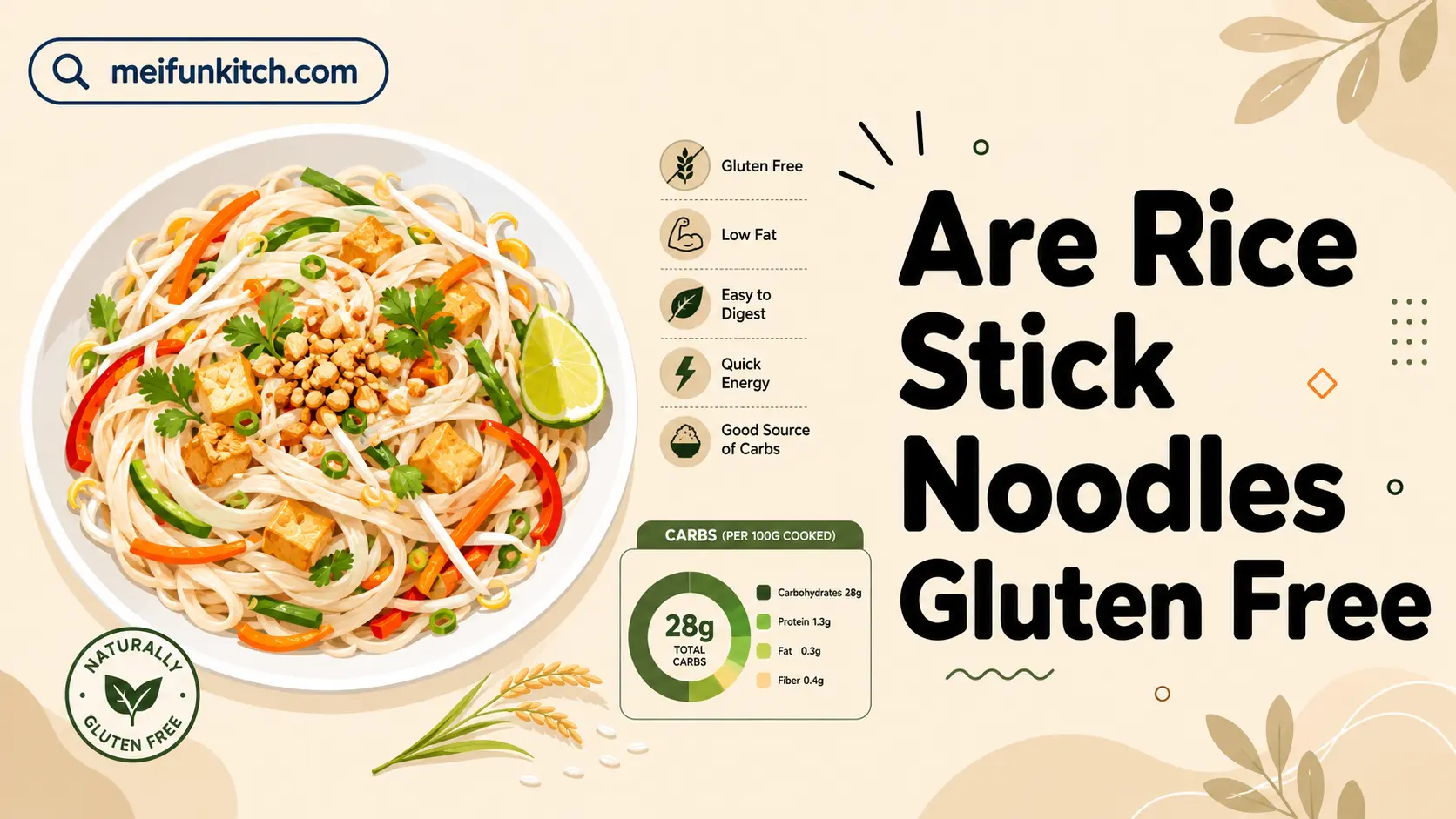
Rice stick noodles are a popular food in many Asian dishes. People often use them in soups, stir-fries, and noodle bowls. Since they are made mainly from rice flour and water, many people wonder, are rice stick noodles gluten free? This question is important for people who have gluten sensitivity or follow a gluten-free diet.
In most cases, rice stick noodles do not contain gluten because rice is naturally gluten free. However, some brands may process their noodles in places where wheat products are also made. As a result, there can be a risk of cross-contamination. Therefore, it is always a good idea to read the package label before buying any noodle product.
If you enjoy Asian noodles and want a gluten-free option, rice stick noodles can be a great choice. In this guide, you will learn what rice stick noodles are, whether they contain gluten, and how to choose safe products. Additionally, you will discover helpful tips for cooking and enjoying these noodles while following a gluten-free lifestyle.
Are Rice Stick Noodles Gluten Free? The Quick Answer
Many people ask, Are Rice Stick Noodles Gluten Free, especially when they want a safe noodle option for a gluten-free diet. The simple answer is that most rice stick noodles do not contain gluten because manufacturers usually make them from rice flour and water. Since rice is naturally free from gluten, these noodles often fit well into gluten-free meal plans. However, it is still important to check the packaging because ingredients and manufacturing processes can vary from one brand to another.
In addition, rice stick noodles are popular in many Asian recipes because they have a light texture and absorb flavors very well. Many home cooks use them in soups, stir-fries, and noodle salads. As a result, people who avoid wheat products often choose them as a substitute for traditional wheat noodles. Furthermore, they cook quickly and work well with vegetables, seafood, chicken, and many sauces.
However, not every package offers the same level of safety. Some companies produce rice noodles in facilities that also process wheat-based foods. Therefore, cross-contamination may happen during manufacturing. For this reason, experts recommend looking for certified gluten-free labels whenever possible. This simple step can help people make safer food choices and enjoy their meals with confidence.
Quick Gluten-Free Noodle Facts
| Feature | Rice Stick Noodles |
| Main ingredient | Rice flour |
| Naturally gluten free | Yes |
| Contains wheat by default | No |
| Suitable for gluten-free diets | Usually |
| Common use | Stir-fries |
| Popular in soups | Yes |
| Cooking time | Short |
| Texture | Soft and chewy |
| Certified gluten-free available | Yes |
| Easy to digest | Often |
| Widely available | Yes |
| Risk of cross-contamination | Possible |
What Are Rice Stick Noodles Made Of?
Rice stick noodles have a simple ingredient list, which is one reason they are popular around the world. Most manufacturers use rice flour and water to create these noodles. Because of their simple recipe, many people searching Are Rice Stick Noodles Gluten Free find them appealing. The ingredients remain easy to understand, and consumers can quickly identify whether unwanted additives are present.
Additionally, different brands may add small amounts of tapioca starch or cornstarch to improve texture. These ingredients help the noodles stay firm during cooking and prevent them from breaking apart. As a result, the noodles maintain a pleasant bite while absorbing sauces and seasonings. Moreover, many manufacturers avoid unnecessary additives, making rice stick noodles a simple food choice.
The production process is also straightforward. Manufacturers mix rice flour with water, form thin sheets, steam them, and then cut them into noodle strips. Afterward, they dry and package the noodles for sale. Because the process relies heavily on rice rather than wheat, rice stick noodles remain a popular option among people seeking alternative grain products.
Rice Stick Noodle Ingredients Comparison
| Ingredient | Purpose |
| Rice flour | Main base |
| Water | Forms dough |
| Tapioca starch | Improves texture |
| Cornstarch | Adds firmness |
| Potato starch | Texture support |
| Salt | Flavor enhancement |
| Rice starch | Structure |
| Brown rice flour | Whole grain option |
| White rice flour | Common ingredient |
| Natural preservatives | Shelf life |
| Vegetable starches | Stability |
| Optional seasonings | Flavor |
Are Rice Stick Noodles Gluten Free by Nature?
Rice itself does not contain gluten. Therefore, foods made primarily from rice often qualify as gluten-free. When people search Are Rice Stick Noodles Gluten Free, they are usually asking whether the noodle's natural ingredients contain wheat proteins. In most situations, the answer is no because rice belongs to a different grain family than wheat, barley, and rye.
Furthermore, many gluten-free diets rely heavily on rice-based products. Rice flour, rice cakes, rice crackers, and rice noodles commonly appear in gluten-free kitchens. Since rice does not naturally contain gluten, it serves as a reliable ingredient for people who want alternatives to wheat products. Consequently, rice stick noodles have become a common replacement for traditional pasta and wheat noodles.
Even though rice is naturally gluten free, consumers should still examine labels carefully. Manufacturers sometimes add flavorings, seasonings, or stabilizers that may contain gluten. Therefore, reading ingredient lists remains a smart habit. Additionally, certified gluten-free products provide extra assurance for people who need strict dietary protection.
Naturally Gluten-Free vs Gluten-Containing Foods
| Naturally Gluten-Free Foods | Gluten-Containing Foods |
| Rice noodles | Wheat noodles |
| Rice flour | Wheat flour |
| Corn | Barley |
| Potatoes | Rye |
| Quinoa | Regular pasta |
| Buckwheat | Bread |
| Millet | Crackers |
| Beans | Pretzels |
| Lentils | Many cereals |
| Fresh vegetables | Some sauces |
| Fresh fruits | Certain seasonings |
| Plain rice | Wheat tortillas |
Why Some Rice Stick Noodles May Not Be Gluten Free
Although rice is naturally gluten free, some products still carry risks. Many consumers researching Are Rice Stick Noodles Gluten Free discover that manufacturing practices matter just as much as ingredients. Some facilities process rice noodles alongside wheat products. Consequently, small traces of gluten may accidentally enter otherwise gluten-free foods.
Moreover, certain flavored noodle products may include ingredients that contain gluten. For example, seasoning packets, soy-based flavorings, or specialty additives can introduce gluten into a product. Therefore, consumers should never assume that every noodle package offers the same level of safety. Instead, they should examine ingredient labels and allergen statements carefully.
Cross-contact can also happen during transportation, packaging, or storage. Because gluten-sensitive individuals often react to tiny amounts of gluten, these details matter greatly. As a result, healthcare professionals frequently recommend certified gluten-free products. This certification indicates that the manufacturer follows strict standards designed to reduce contamination risks.
Reasons Rice Noodles May Contain Gluten
| Risk Factor | Explanation |
| Shared equipment | Wheat residue possible |
| Shared factories | Cross-contact risk |
| Flavor packets | May contain gluten |
| Soy-based additives | Possible gluten source |
| Poor labeling | Consumer confusion |
| Bulk storage | Cross-contamination |
| Packaging process | Trace exposure |
| Imported products | Different standards |
| Mixed grain ingredients | Added gluten risk |
| Manufacturing errors | Ingredient mistakes |
| Unclear ingredient lists | Hard to verify |
| Non-certified products | Less assurance |
How to Tell If Rice Stick Noodles Are Gluten Free
Checking food labels remains one of the easiest ways to identify safe products. People often ask Are Rice Stick Noodles Gluten Free because they want a simple method to shop confidently. Fortunately, food labels provide valuable information. Consumers can start by reviewing ingredient lists and allergen warnings before making a purchase.
Additionally, certified gluten-free labels offer extra confidence. These certifications indicate that manufacturers follow strict testing and production standards. Therefore, certified products generally provide greater reliability for individuals who need to avoid gluten completely. Many reputable brands now display gluten-free certifications prominently on their packaging.
It is also helpful to look for common gluten-containing ingredients. Wheat, barley, rye, malt, and brewer's yeast often indicate gluten presence. Furthermore, contacting the manufacturer can provide clarification if labeling seems unclear. Taking a few extra moments to verify information can help prevent accidental gluten exposure.
Gluten-Free Label Checklist
| Checkpoint | Why It Matters |
| Gluten-free label | Added assurance |
| Ingredient list | Identifies risks |
| Wheat warning | Detects allergens |
| Barley ingredients | Gluten source |
| Rye ingredients | Gluten source |
| Certification logo | Third-party review |
| Manufacturer website | Additional details |
| Customer support | Clarification |
| Production facility info | Contamination risk |
| Allergen statement | Safety check |
| Product reviews | User experiences |
| Updated packaging | Current information |
Are Rice Stick Noodles Gluten Free for People With Celiac Disease?
People with celiac disease must avoid gluten completely because even small amounts can trigger serious health problems. Therefore, many individuals ask Are Rice Stick Noodles Gluten Free for People With Celiac Disease before adding them to their diet. In many cases, rice stick noodles can be a suitable choice because rice itself does not contain gluten.
However, celiac disease requires more than simply checking the main ingredient. People must also evaluate how the product was manufactured and packaged. Certified gluten-free products often provide the highest level of confidence because they meet strict standards designed to minimize contamination. As a result, many healthcare professionals recommend certified options whenever available.
Furthermore, people with celiac disease should remain cautious when dining at restaurants. Even gluten-free noodles can become contaminated if cooks use shared cooking water, utensils, or preparation surfaces. Therefore, asking questions and confirming preparation methods can help reduce risks. Careful food choices allow many individuals with celiac disease to enjoy rice stick noodles safely.
Rice Stick Noodles and Celiac Disease
| Factor | Importance |
| Naturally gluten free | High |
| Certified products | Very high |
| Ingredient review | Essential |
| Cross-contact prevention | Critical |
| Restaurant preparation | Important |
| Packaging review | Necessary |
| Allergen statements | Helpful |
| Trusted brands | Recommended |
| Separate cooking water | Important |
| Dedicated utensils | Helpful |
| Healthcare guidance | Valuable |
| Safe meal planning | Essential |
Rice Stick Noodles vs Wheat Noodles: Key Differences
The Rice stick noodles and wheat noodles may look similar, yet they differ in several important ways. When comparing options, many people ask Are Rice Stick Noodles Gluten Free because wheat noodles naturally contain gluten while rice noodles usually do not. This difference alone makes rice noodles a preferred option for many gluten-sensitive consumers.
Additionally, texture and flavor vary between the two noodle types. Rice stick noodles often have a lighter texture and a mild taste. In contrast, wheat noodles usually feel denser and more elastic. Because of these differences, each noodle works best in specific recipes and cooking styles. Nevertheless, both can create delicious meals when prepared correctly.
Nutrition can also differ depending on ingredients and processing methods. Rice noodles generally contain fewer protein grams than wheat noodles. Meanwhile, wheat noodles often provide more gluten-based structure. Therefore, consumers should choose noodles based on dietary needs, personal preferences, and health goals rather than appearance alone.
Rice Stick Noodles vs Wheat Noodles
| Feature | Rice Stick Noodles | Wheat Noodles |
| Main ingredient | Rice flour | Wheat flour |
| Gluten content | Usually none | Contains gluten |
| Texture | Light and chewy | Firm and elastic |
| Flavor | Mild | Richer |
| Suitable for celiac disease | Often yes | No |
| Common dishes | Asian recipes | Pasta dishes |
| Digestibility | Often easier | Varies |
| Cooking time | Quick | Moderate |
| Protein content | Lower | Higher |
| Wheat present | No | Yes |
| Gluten-free certification available | Yes | Rare |
| Popular use | Stir-fries and soups | Pasta and noodle dishes |
Health Benefits of Gluten-Free Rice Stick Noodles
Gluten-free rice stick noodles can be a helpful addition to many healthy meal plans. People often search Are Rice Stick Noodles Gluten Free because they want a noodle option that fits their dietary needs without sacrificing taste. Since these noodles are usually made from simple ingredients like rice flour and water, they contain fewer ingredients than many processed foods. As a result, they can be a good choice for people who prefer simple and easy-to-digest foods.
In addition, rice stick noodles provide energy because they contain carbohydrates. Carbohydrates act as the body's main fuel source and help support daily activities. When people pair rice noodles with vegetables, lean proteins, and healthy fats, they can create balanced meals that support overall wellness. Furthermore, these noodles have a mild flavor, which allows them to work well with many nutritious ingredients.
Another benefit is that gluten-free rice stick noodles allow people with gluten sensitivity or celiac disease to enjoy noodle dishes safely. However, portion control still matters because all foods should fit into a balanced diet. Therefore, choosing wholesome ingredients and practicing moderation can help maximize the benefits of rice stick noodles while supporting healthy eating habits.
Health Benefits of Rice Stick Noodles
| Benefit | Description |
| Gluten free | Suitable for many diets |
| Easy digestion | Gentle on the stomach |
| Good energy source | Provides carbohydrates |
| Simple ingredients | Usually minimal processing |
| Versatile cooking | Works in many dishes |
| Low fat content | Naturally low in fat |
| Mild flavor | Pairs with many foods |
| Quick preparation | Saves cooking time |
| Suitable for celiac diets | When certified gluten free |
| Alternative to wheat noodles | Helpful for gluten avoidance |
| Available worldwide | Easy to find |
| Supports meal variety | Expands food choices |
Are Rice Stick Noodles Gluten Free When Eating Out?
Many restaurants serve rice stick noodles in soups, stir-fries, and specialty dishes. Because of this, people frequently ask Are Rice Stick Noodles Gluten Free when dining outside their homes. While the noodles themselves may be gluten free, restaurant preparation methods can create additional risks. Therefore, customers should always ask questions before ordering.
Furthermore, many restaurant kitchens use shared cooking equipment. Chefs may prepare wheat noodles, breaded foods, and rice noodles on the same surfaces. As a result, cross-contact can occur even when the main ingredients do not contain gluten. For people with celiac disease or severe gluten sensitivity, this issue can be especially important. Consequently, clear communication with restaurant staff can help reduce potential risks.
Additionally, sauces often contain hidden sources of gluten. Soy sauce, marinades, and seasoning blends sometimes include wheat-based ingredients. Therefore, guests should ask about every ingredient used in the dish. Restaurants that understand gluten-free preparation practices often provide safer dining experiences. Taking a few extra minutes to ask questions can help people enjoy their meals with greater confidence.
Restaurant Gluten-Free Safety Guide
| Safety Check | Importance |
| Ask about ingredients | Very important |
| Check sauces | Hidden gluten risk |
| Ask about cooking surfaces | Cross-contact prevention |
| Confirm noodle type | Product verification |
| Review allergen menu | Helpful information |
| Speak with manager | Additional assurance |
| Ask about fryers | Shared equipment risk |
| Verify seasonings | Hidden ingredients |
| Request separate preparation | Increased safety |
| Avoid assumptions | Prevent mistakes |
| Choose gluten-aware restaurants | Better experience |
| Confirm before ordering | Final safety step |
Choosing the Best Gluten-Free Rice Stick Noodles for Your Diet
Selecting high-quality rice stick noodles starts with reading labels carefully. Many shoppers wonder Are Rice Stick Noodles Gluten Free because different brands use different manufacturing practices. The best products usually have simple ingredient lists and clear labeling. Therefore, consumers should compare brands and look for trustworthy information before purchasing.
In addition, certified gluten-free products often provide extra peace of mind. Certification programs require manufacturers to meet strict standards regarding gluten levels and production methods. As a result, certified products generally offer greater reliability for individuals who need to avoid gluten completely. Furthermore, reputable brands often provide detailed information on their packaging and websites.
Dietary needs can vary from person to person. Some individuals prefer organic products, while others focus on texture, taste, or nutritional value. Therefore, shoppers should consider their personal preferences along with gluten-free certification. By comparing ingredients, certifications, and customer reviews, consumers can find rice stick noodles that match both their dietary goals and cooking needs.
How to Choose the Best Rice Stick Noodles
| Factor | Why It Matters |
| Gluten-free certification | Extra safety |
| Simple ingredients | Easier verification |
| Trusted brand | Better reliability |
| Clear labeling | Less confusion |
| Customer reviews | Real experiences |
| Product freshness | Better quality |
| Organic options | Personal preference |
| Texture preference | Cooking satisfaction |
| Nutritional value | Health goals |
| Allergen information | Safety check |
| Manufacturing standards | Reduced contamination |
| Price and availability | Convenience |
Conclusion:
Rice stick noodles are a popular choice for people looking for a simple and versatile noodle option. In most cases, they are made from rice flour and water, which means they are naturally free from gluten. However, it is still important to read labels carefully because some products may be processed in facilities that also handle wheat-based foods. As a result, cross-contamination can sometimes occur.
If you follow a gluten-free diet, choosing certified gluten-free rice stick noodles can provide extra peace of mind. Additionally, these noodles work well in many dishes, including soups, stir-fries, and salads. Their mild flavor and quick cooking time make them a convenient option for busy households.
Ultimately, understanding ingredients, checking certifications, and asking questions when dining out can help you make informed choices. With the right precautions, rice stick noodles can be a delicious and safe addition to a gluten-free lifestyle while offering flexibility, convenience, and great taste.
FAQs
Are rice stick noodles always gluten free?
Most rice stick noodles are naturally gluten free because they are made from rice flour and water. However, some brands may process them in facilities that also handle wheat products. Therefore, always check ingredient labels and look for certified gluten-free packaging when possible.
Can people with celiac disease eat rice stick noodles?
Yes, many people with celiac disease can safely eat rice stick noodles if the product is certified gluten free. Certification helps ensure that the noodles meet strict gluten standards and have a lower risk of cross-contamination during production.
What ingredients are commonly found in rice stick noodles?
Rice stick noodles usually contain rice flour and water. Some brands may also add tapioca starch, cornstarch, or other ingredients to improve texture. Reading the ingredient list is the best way to understand exactly what is included.
Do rice stick noodles contain wheat?
Traditional rice stick noodles do not contain wheat. However, flavored varieties or specialty products may include wheat-based ingredients. Always review the packaging carefully before purchasing if you need to avoid gluten.
Are rice noodles and rice stick noodles the same?
Rice stick noodles are a type of rice noodle. The term generally refers to flat or thin noodles made from rice flour. While all rice stick noodles are rice noodles, not all rice noodles are classified as rice sticks.
How can I tell if rice stick noodles are gluten free?
Check the ingredient list, allergen statement, and packaging. A certified gluten-free label provides additional confidence. Also, avoid products with wheat, barley, rye, malt, or unclear ingredient descriptions.
Are rice stick noodles healthier than wheat noodles?
The answer depends on your dietary needs. Rice stick noodles are often preferred by people avoiding gluten, while wheat noodles may contain more protein. Both can be part of a healthy diet when paired with nutritious ingredients.
Can restaurant rice noodle dishes contain gluten?
Yes, restaurant dishes may contain gluten through sauces, seasonings, or shared cooking equipment. Therefore, ask staff about ingredients and preparation methods before ordering if you follow a gluten-free diet.
What dishes use rice stick noodles?
Rice stick noodles are commonly used in stir-fries, soups, noodle salads, and many Asian-inspired recipes. Their soft texture and mild flavor make them suitable for a wide variety of meals.
Should I choose certified gluten-free rice stick noodles?
Certified gluten-free products are often the safest choice for individuals with celiac disease or severe gluten sensitivity. Certification shows that the manufacturer follows strict standards to reduce the risk of gluten contamination.

Smith
Author103 Published Articles
James Smith is a dedicated food writer and recipe enthusiast who specializes in creating informative content about noodles, pasta, rice dishes, comfort foods, and a wide variety of global cuisines. He is passionate about sharing easy-to-follow recipes, cooking techniques, ingredient guides, nutrition facts, and meal preparation tips that help readers cook with confidence. From classic noodle dishes and homemade sauces to healthy meal ideas and international favorites, James focuses on delivering well-researched, practical, and engaging content for home cooks of all skill levels. His goal is to make cooking enjoyable, accessible, and inspiring by providing reliable recipes and food knowledge that readers can trust.
EducationM.Sc. in Food and Nutrition.
Experience8 Years.
ExpertiseWrites about Noodles and Many Other Foods