
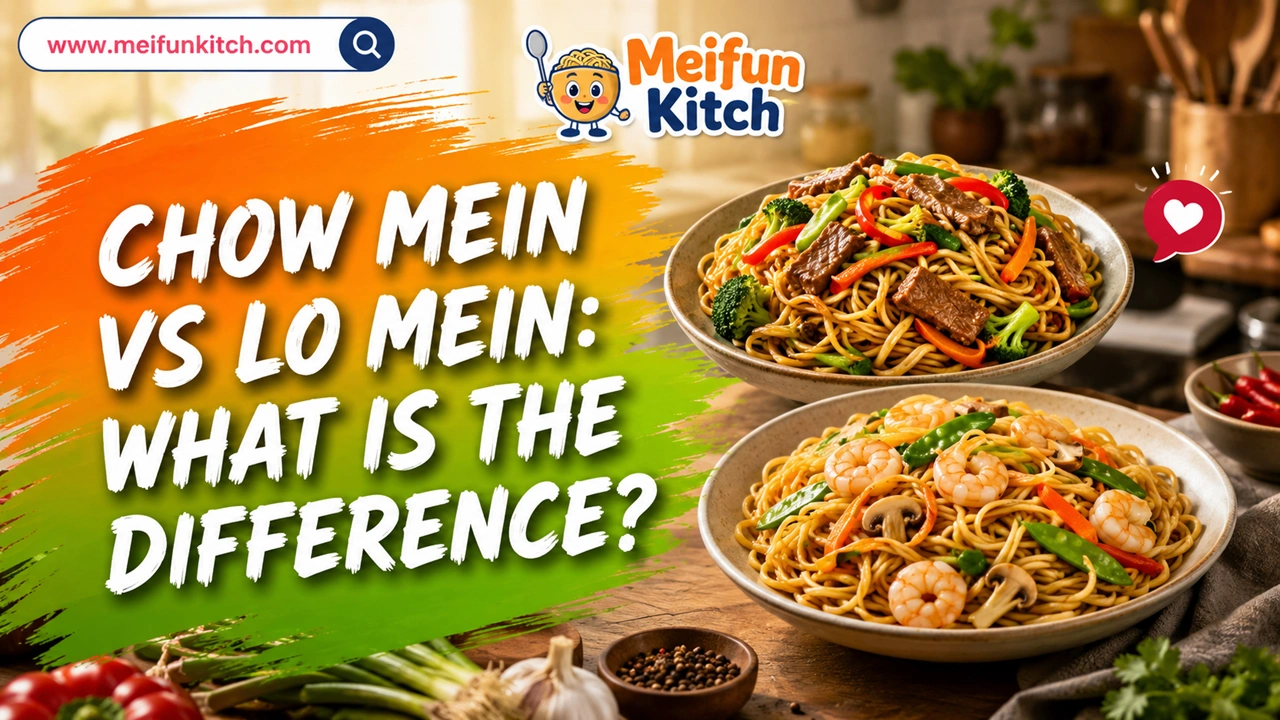
Chow mein vs lo mein mainly differs in the way cooks prepare and finish the noodles. Chow mein usually uses noodles that receive direct stir-frying. This creates firmer noodles, browned edges, and a stronger wok flavor. Lo mein usually uses boiled noodles that cooks toss with sauce, vegetables, and protein. This creates a softer, chewier texture with more sauce.
Both dishes can include chicken, beef, pork, shrimp, tofu, mushrooms, cabbage, carrots, and peppers. Therefore, the ingredients can look similar, even though the final dishes taste different. If you enjoy crispy or firm noodles, chow mein may suit you better. If you prefer soft noodles covered with savory sauce, lo mein usually makes the better choice.
Plan Your Perfect Week of Meals
Build a personalized weekly diet plan in minutes — balanced meals, made simple.
Why This Difference Matters
Chow mein vs lo mein can seem confusing because restaurants sometimes use different recipes. Some restaurants serve soft chow mein, while others serve crisp noodles. Lo mein can also vary in noodle thickness and sauce level.
The easiest way to remember the difference involves the cooking process. Chow mein focuses on stir-frying the noodles. Lo mein focuses on tossing cooked noodles with sauce and other ingredients.
What Is Chow Mein?
Chow Mein Meaning and Origins
The Chow mein vs lo mein becomes easier to understand after learning what chow mein means. Chow mein is commonly associated with Chinese stir-fried noodle dishes. The name refers to noodles that undergo a cooking process involving stir-frying.
Traditional noodle dishes vary across Chinese regions. Therefore, no single preparation represents every chow mein recipe. Some versions contain soft noodles. Other preparations feature noodles that become crisp during cooking.
Chinese-American restaurants also developed their own interpretations. These versions often combine noodles with vegetables, meat, seafood, and a savory sauce.
The defining characteristic remains the cooking technique. Cooks usually prepare noodles before stir-frying them with the remaining ingredients.
How Chow Mein Is Cooked
Cooks usually boil or soften the noodles before stir-frying. They then drain them carefully to remove excess water.
Next, cooks heat a wok or large skillet. They add cooking oil and prepare the protein. Vegetables follow according to their cooking times.
Firm vegetables usually need more time. Softer vegetables can enter the pan later. Finally, cooks add noodles and sauce.
High heat helps create browning. It also develops the slightly smoky flavor associated with restaurant-style stir-fried noodles.
What Does Chow Mein Taste Like?
Chow mein usually offers a savory, aromatic, and lightly toasted flavor. The noodles can develop browned areas during stir-frying.
Vegetables often retain some crunch. Garlic and ginger add freshness and warmth. Soy sauce contributes saltiness and umami.
Some recipes also contain oyster sauce, sesame oil, white pepper, or chili sauce. The final flavor depends on the sauce and cooking temperature.
What Is Lo Mein?
Lo Mein Meaning and Origins
Chow mein vs lo mein also requires a clear understanding of lo mein. Lo mein generally describes cooked noodles tossed with sauce and other ingredients.
The noodles usually remain soft and chewy. Cooks boil them first and then combine them with prepared vegetables and protein.
Unlike a heavily fried noodle preparation, lo mein focuses on coating. The sauce reaches the surface of almost every noodle.
Different restaurants use different sauces. Some versions taste sweeter, while others taste more savory or garlicky.
How Lo Mein Is Cooked
Cooks first boil the noodles until tender but still chewy. They then drain them thoroughly.
Meanwhile, they cook the protein and vegetables in a wok or skillet. They prepare the sauce separately or directly in the cooking pan.
Once the ingredients are ready, cooks add the noodles. They toss everything together until the sauce coats the noodles evenly.
The final cooking stage usually remains short. This prevents the noodles from becoming overly soft.
What Does Lo Mein Taste Like?
Lo mein usually tastes rich, savory, and sauce-forward. The noodles carry plenty of seasoning with every bite.
Soy sauce provides a salty umami foundation. Oyster sauce can add sweetness and depth. Sesame oil provides a nutty aroma.
Garlic, ginger, green onions, and chili can add additional layers. The final taste depends heavily on the sauce ratio.
Chow Mein vs Lo Mein: Main Differences
Noodle Texture
Chow mein vs lo mein differs most noticeably in texture. Chow mein noodles usually become firmer through stir-frying.
Some versions develop crisp edges. Other versions remain soft while developing lightly browned surfaces.
Lo mein noodles usually remain soft, springy, and chewy. Cooks generally avoid prolonged direct frying.
Therefore, noodle texture provides one of the easiest ways to distinguish the dishes.
Cooking Technique
Chow mein vs lo mein also differs because the final cooking method changes the noodles.
Chow mein receives substantial direct heat. The noodles interact with oil and the hot cooking surface.
Lo mein usually receives less direct frying. Cooks toss boiled noodles with sauce and already-cooked ingredients.
This difference creates contrasting textures even when both dishes contain similar ingredients.
Sauce Level
Chow mein vs lo mein can also differ in sauce quantity. Chow mein often uses enough sauce to season the noodles without making them wet.
Lo mein commonly contains more sauce. The noodles need enough liquid to become glossy and flavorful.
However, restaurant recipes can challenge this rule. Some chow mein dishes contain plenty of sauce. Some lo mein dishes use relatively little.
Chow Mein vs Lo Mein: Noodle Comparison
What Noodles Does Chow Mein Use?
Chow mein vs lo mein does not necessarily involve completely different noodle ingredients. Both dishes can use wheat-based noodles.
Egg noodles remain common in many Chinese-style preparations. Their springy texture works well with high-heat cooking.
Fresh noodles can provide excellent texture. Dried noodles also work when cooks follow the package instructions.
The cooking process matters more than the label printed on the noodle package.
What Noodles Does Lo Mein Use?
Lo mein commonly uses soft wheat noodles. Egg noodles can provide the characteristic chewy texture.
Fresh noodles often cook quickly. Dried noodles require more preparation but remain convenient.
Avoid overcooking either type. Overcooked noodles can become mushy and break during final mixing.
Can the Same Noodles Work for Both?
Yes. Chow mein vs lo mein often describes preparation rather than completely separate noodle varieties.
A suitable wheat-based noodle can work in either dish. However, cooking techniques change the final texture.
For stir-fried noodles, drain the noodles especially well. For saucier noodles, proper draining also prevents excessive water from diluting the sauce.
Chow Mein vs Lo Mein: Ingredient Differences
Vegetables
Chow mein vs lo mein allows cooks to use many of the same vegetables.
Popular choices include cabbage, carrots, onions, bean sprouts, bell peppers, mushrooms, and bok choy.
Broccoli, snow peas, spinach, and baby corn can also work well. The best choices depend on personal taste.
Chow mein often highlights crunchy vegetables. Lo mein allows vegetables to blend more closely with the sauce.
Protein Choices
Both dishes work with chicken, beef, pork, shrimp, tofu, and seafood.
Chicken offers a mild flavor that works with almost every sauce. Beef creates a richer and deeper result.
Shrimp cooks quickly and pairs naturally with garlic and ginger. Tofu provides an excellent vegetarian alternative.
Therefore, protein does not determine the identity of the dish.
Aromatics
Garlic and ginger provide a strong flavor foundation. Green onions add freshness and mild onion flavor.
White pepper adds gentle warmth. Chili oil creates heat and richness.
Sesame oil works best when added in moderate amounts. Its strong aroma can easily overpower delicate ingredients.
Chow Mein vs Lo Mein: Which Is Healthier?
Calories and Portions
Chow mein vs lo mein has no universal calorie winner. Calories depend on noodles, oil, sauce, protein, and portion size.
Restaurant portions can contain significant amounts of oil. Large noodle portions can also increase total calories quickly.
A homemade recipe gives you better control. You can reduce oil and increase vegetables without sacrificing much flavor.
Protein and Satiety
Protein can make either dish more filling. Chicken breast, shrimp, lean beef, and tofu provide useful protein sources.
Choose leaner proteins when you want a lighter meal. Remove visible fat from meat before cooking.
You can also increase vegetables while keeping the noodle portion moderate.
Vegetable Content
Vegetables can improve the nutritional balance of both dishes.
Cabbage, carrots, mushrooms, broccoli, peppers, and bok choy provide fiber and various micronutrients.
A practical approach involves filling much of the pan with vegetables. Then add a moderate amount of noodles and protein.
Sodium
Soy sauce and oyster sauce can contain substantial sodium. Restaurant recipes may contain more sodium than homemade versions.
Use low-sodium soy sauce when appropriate. You can also create stronger flavor with garlic, ginger, vinegar, sesame oil, and chili.
Taste before adding additional salt. Soy-based sauces often provide enough seasoning on their own.
Chow Mein vs Lo Mein: Which Tastes Better?
For Crispy Noodle Lovers
Chow mein vs lo mein often comes down to personal preference. People who enjoy firmer noodles may prefer chow mein.
High heat creates browned surfaces and toasted flavors. Crunchy vegetables provide additional texture.
If you enjoy smoky wok aromas and a less sauce-heavy bite, this option may satisfy you more.
For Sauce Lovers
Lo mein generally works better for people who prefer generously coated noodles.
The sauce surrounds each strand and creates a richer mouthfeel. Garlic, soy sauce, sesame oil, and oyster sauce create a familiar savory profile.
The soft noodles also make the sauce more noticeable.
For Crunchy Vegetable Fans
Both dishes can contain crunchy vegetables. However, stir-frying can preserve a stronger crunch when cooks avoid overcooking.
Use carrots, cabbage, bean sprouts, peppers, and snow peas for additional texture.
Cook vegetables in batches if the pan becomes crowded.
Chow Mein vs Lo Mein: Cooking Methods Explained
The Stir-Frying Process
Chow mein vs lo mein becomes much clearer when you compare the cooking sequence.
First, prepare every ingredient before heating the pan. Stir-frying moves quickly, so preparation matters.
Cook the protein first. Remove it if necessary. Then cook vegetables according to their firmness.
Add noodles after the vegetables become nearly ready. Finally, add sauce and return the protein.
Toss everything quickly over high heat. Remove the pan once the noodles become evenly seasoned.
The Tossing Process
Lo mein uses a different finishing technique.
Cooks boil the noodles first. They then prepare protein and vegetables separately.
Next, they add the noodles and sauce to the pan. Tossing distributes the sauce without requiring prolonged frying.
The final dish should look glossy rather than greasy. The noodles should remain tender and chewy.
How to Make Chow Mein at Home
Simple Ingredients
Chow mein vs lo mein becomes easier when you prepare the dish at home.
You can use the following basic ingredients:
| Ingredient | Purpose | Easy Alternatives |
|---|---|---|
| Wheat noodles | Main base | Egg noodles |
| Chicken | Protein | Shrimp or tofu |
| Cabbage | Crunch | Bok choy |
| Carrots | Color | Bell peppers |
| Soy sauce | Umami | Low-sodium soy sauce |
| Oyster sauce | Depth | Mushroom sauce |
| Garlic | Aroma | Garlic paste |
| Ginger | Freshness | Ground ginger |
| Sesame oil | Nutty aroma | Toasted sesame seeds |
Step-by-Step Method
Cook the noodles according to package directions. Drain them very thoroughly.
Slice the protein into thin pieces. Cut vegetables into similar-sized strips.
Heat a large wok or skillet. Add a small amount of oil.
Cook the protein until nearly finished. Remove it if your pan needs additional space.
Add vegetables and stir-fry them until crisp-tender. Add garlic and ginger near the end.
Return the protein to the pan. Add noodles and sauce.
Toss everything over high heat. Serve immediately for the best texture.
How to Avoid Soggy Noodles
Chow mein vs lo mein requires good moisture control when you want firm noodles.
Do not add wet noodles directly to a hot wok. Excess water creates steam instead of browning.
Avoid overcrowding the pan. Cook ingredients in batches when necessary.
Use sauce carefully. Too much liquid can turn a stir-fried noodle dish soft.
How to Make Lo Mein at Home
Simple Ingredients
Chow mein vs lo mein recipes can use many of the same ingredients.
| Ingredient | Purpose | Alternatives |
|---|---|---|
| Egg noodles | Main base | Wheat noodles |
| Chicken | Protein | Beef or shrimp |
| Mushrooms | Umami | Tofu |
| Cabbage | Texture | Bok choy |
| Carrots | Sweetness | Bell peppers |
| Soy sauce | Salt and umami | Tamari |
| Oyster sauce | Savory depth | Vegan oyster sauce |
| Sesame oil | Aroma | Sesame seeds |
| Garlic | Flavor | Garlic paste |
| Ginger | Warmth | Fresh ginger |
Step-by-Step Method
Boil the noodles until tender and chewy. Drain them completely.
Cook the protein in a large skillet. Remove it if necessary.
Add vegetables and stir-fry until crisp-tender. Do not cook them until completely soft.
Prepare the sauce using soy sauce, oyster sauce, sesame oil, garlic, ginger, and a little sugar.
Add the cooked noodles and protein. Pour in the sauce gradually.
Toss everything until the noodles become glossy and evenly coated.
How to Prevent Sticky Noodles
Avoid overcooking the noodles. Follow the package instructions carefully.
Drain the noodles immediately after reaching the desired texture.
A small amount of oil can help reduce excessive sticking. However, avoid using too much because it can make the sauce slide off.
Chow Mein vs Lo Mein: Best Sauce Ingredients
Classic Sauce Components
Chow mein vs lo mein can use similar sauce ingredients.
Soy sauce creates a salty umami foundation. Oyster sauce adds sweetness and depth.
Sesame oil provides a nutty aroma. Garlic and ginger create freshness.
A small amount of sugar can balance salty flavors. Rice vinegar can provide acidity.
Chili oil or chili sauce can create heat when desired.
How to Balance the Sauce
Taste your sauce before adding it to the noodles.
If it tastes too salty, add a little water or unsalted stock. If it tastes too sweet, add a small amount of vinegar.
And If it lacks depth, add a little oyster sauce. If it needs aroma, add sesame oil carefully.
Balance matters more than using many ingredients.
Chow Mein vs Lo Mein: Best Protein Options
Chicken
Chow mein vs lo mein both pair extremely well with chicken.
Chicken breast provides lean protein and a mild flavor. Chicken thighs offer more moisture and richness.
Slice chicken thinly. This allows the meat to cook quickly without drying out.
A short marinade using soy sauce and cornstarch can improve texture.
Beef
Beef provides a stronger flavor. Flank steak and sirloin work well.
Slice the meat against the grain. This creates more tender pieces.
Cook beef quickly over high heat. Remove it before it becomes tough.
Shrimp
Shrimp cooks rapidly, so timing matters.
Add shrimp toward the later cooking stage. Remove it once it becomes opaque and firm.
Overcooked shrimp can become rubbery. Garlic, ginger, sesame oil, and chili complement shrimp especially well.
Tofu
Firm tofu works well for vegetarian noodle dishes.
Press tofu before cooking to remove excess moisture. Cut it into cubes or thin rectangles.
Brown the tofu before adding it to the noodles. This creates a more satisfying texture.
Chow Mein vs Lo Mein: Best Vegetables
Popular Vegetable Combinations
Chow mein vs lo mein allows plenty of flexibility with vegetables.
Cabbage and carrots provide a classic combination. Bean sprouts add freshness and crunch.
Mushrooms contribute umami flavor. Bell peppers add color and sweetness.
Bok choy provides a fresh leafy element. Broccoli makes the dish more substantial.
You can combine several vegetables without following a strict recipe.
How to Prepare Vegetables
Cut vegetables into thin pieces. Similar sizes help them cook evenly.
Cook firm vegetables first. Add softer ingredients later.
Do not completely soften the vegetables. Slight crunch creates better contrast with noodles.
If using leafy vegetables, add them near the end.
Chow Mein vs Lo Mein: Restaurant Variations
Why Recipes Differ
Chow mei vs lo mei can look surprisingly different between restaurants.
Restaurants use different noodle types, sauces, cooking temperatures, and ingredient ratios.
One restaurant may serve crisp noodles. Another may serve soft stir-fried noodles under the same name.
Sauce levels also vary significantly.
Therefore, restaurant descriptions can help you understand what you will receive.
Chinese-American Versions
Chinese-American cuisine developed its own noodle traditions.
Restaurants adapted dishes around available ingredients and local preferences.
Consequently, modern versions may contain ingredients that do not appear in every regional Chinese recipe.
This variation does not necessarily make a dish wrong. Food traditions naturally change across countries and communities.
Authentic Preparation
Chow mein vs lo mein both have long-standing Chinese culinary traditions.
However, authenticity depends on regional history and cooking style.
A recipe from one Chinese region may look very different from another.
Therefore, it is better to discuss specific regional traditions rather than claim that one recipe represents every Chinese kitchen.
Chow Mein vs Lo Mein: Common Cooking Mistakes
Mistakes With Stir-Fried Noodles
Chow mei vs lo mei requires different techniques, so cooks should avoid several common problems.
The biggest mistake involves adding wet noodles. Excess moisture prevents browning.
Another problem involves overcrowding the pan. Crowding lowers the cooking temperature.
Using too much sauce can also make noodles soggy.
Finally, adding every ingredient simultaneously can create uneven cooking.
Mistakes With Sauce-Coated Noodles
Lo mein can become mushy when cooks overboil the noodles.
It can also become dry when the sauce quantity remains too low.
Another common problem involves adding sauce without tasting it first.
Always balance salt, sweetness, acidity, and savory depth before mixing.
Chow Mein vs Lo Mein: Ordering Guide
Choose Chow Mein If You Want
Chow mein vs lo mein becomes easier when you match the dish with your preferred texture.
Choose chow mein if you want:
- Firmer noodles
- Toasted noodle edges
- Strong wok flavor
- Crisp vegetables
- Less sauce
- More stir-fried character
This option works especially well when texture matters as much as flavor.
Choose Lo Mein If You Want
Choose lo mein if you prefer:
- Soft noodles
- Chewy texture
- More sauce
- Glossy noodles
- Strong garlic flavor
- A rich savory profile
Lo mein can feel especially comforting because the sauce coats the noodles thoroughly.
Chow Mein vs Lo Mein: Vegetarian and Vegan Choices
Vegetarian Version
Chow mein vs lo mein can easily become vegetarian.
Replace chicken or beef with tofu, mushrooms, edamame, or extra vegetables.
Mushrooms provide strong umami flavor. Tofu adds protein and a satisfying bite.
Check sauce ingredients carefully if you follow a strict vegetarian diet.
Vegan Version
Traditional oyster sauce contains animal ingredients. Therefore, vegans should choose an appropriate alternative.
Vegan oyster-style sauces made from mushrooms can provide similar savory depth.
Soy sauce, sesame oil, garlic, ginger, and chili can create a flavorful sauce without animal products.
Tofu and edamame can increase the protein content.
Chow Mein vs Lo Mein: Family-Friendly Options
Which Works Better for Children?
Chow mein vs lo mein can both work well for family meals.
Soft noodles may appeal to younger children because they require less chewing.
Reduce chili and strong spices. Use mild protein such as chicken.
Finely slice vegetables so children can eat them comfortably.
How to Make a Balanced Family Meal
Use a moderate noodle portion. Add plenty of vegetables and a good protein source.
Keep sauces moderate because soy-based sauces can contain considerable sodium.
Serve fresh fruit or another simple side dish.
This approach creates a more balanced meal without removing the flavors people enjoy.
Chow Mein vs Lo Mein: Meal Prep and Storage
Which One Reheats Better?
Chow mein vs lo mein can both work for meal preparation.
Lo mein often reheats well because its sauce keeps the noodles moist.
Stir-fried noodles can lose some crispness after refrigeration. Reheating them in a skillet can improve their texture.
Avoid repeatedly heating the same portion.
Storage Tips
Place leftovers in airtight containers after cooling them appropriately.
Refrigerate leftovers promptly. Reheat them thoroughly before serving.
When possible, keep extra sauce separate. This can help maintain better noodle texture.
Use clean utensils when portioning meals for later consumption.
Chow Mein vs Lo Mein: Weight Management Tips
Control Noodle Portions
Chow mein vs lo mei does not determine whether a meal supports weight management.
Total calorie intake matters more than the dish name.
Use a moderate serving of noodles. Increase vegetables to create more volume.
Choose lean protein such as chicken breast, shrimp, or tofu.
Reduce Excess Oil
Cooking oil contributes calories quickly.
Use enough oil to prevent sticking but avoid excessive amounts.
A good nonstick skillet can reduce the amount of oil needed.
You can also create strong flavor with garlic, ginger, vinegar, chili, and fresh herbs.
Build a Balanced Plate
Combine noodles with protein and plenty of vegetables.
Avoid making noodles the only major component.
A balanced meal can provide carbohydrates, protein, fiber, and micronutrients.
Chow Mein vs Lo Mein: Frequently Asked Questions
Is Chow Mein Healthier Than Lo Mein?
Chow mein vs lo mei has no universal health winner. Nutrition depends on portion size, oil, sauce, protein, and vegetables.
A homemade version can provide better control over calories and sodium.
What Is the Main Difference Between Chow Mein and Lo Mein?
Chow mei vs lo mein mainly differs in the final noodle preparation.
Chow mein generally receives more direct stir-frying. Lo mein generally involves tossing boiled noodles with sauce.
Does Chow Mein Always Mean Crispy Noodles?
No. Chow mein vs lo mei terminology varies between regions and restaurants.
Some chow mein versions contain crispy noodles. Others contain soft noodles that receive substantial stir-frying.
Which Has More Sauce?
Chow mein vs lo mein usually favors lo mein when comparing sauce levels.
Lo mein commonly features noodles coated generously with savory sauce.
However, restaurant recipes can vary.
Can I Use Lo Mein Noodles for Chow Mein?
Yes. Chow mei vs lo mei does not require completely different noodles.
Suitable wheat noodles can work for both dishes.
The cooking technique creates much of the final difference.
Can I Use Chow Mein Noodles for Lo Mein?
Yes, provided the noodles can maintain a pleasant chewy texture after boiling.
Chow mein vs lo mein mainly describes preparation and cooking style.
Which Dish Has Fewer Calories?
Chow mein vs lo mein cannot provide a reliable calorie comparison without knowing the exact recipe.
Oil, sauce, noodle quantity, protein, and serving size all affect calories.
Is Lo Mein Better for Weight Loss?
Neither dish automatically promotes weight loss.
Chow mein vs lo mein depends on your overall calorie intake and portion sizes.
Choose more vegetables, moderate noodles, lean protein, and controlled oil.
Are Chow Mein and Lo Mein the Same Noodles?
They can use similar wheat-based noodles.
Chow mein vs lo mein primarily describes how cooks prepare and finish the noodles.
Specific restaurants may use different noodle varieties.
Which One Is More Authentic?
Chow mein vs lo mein both represent established Chinese noodle traditions.
Authenticity depends on regional preparation and historical context.
Can I Make Chow Mein Without a Wok?
Yes. Chow mei vs lo mei recipes can work in a large skillet.
Use a wide cooking surface and avoid overcrowding.
High heat helps produce better browning.
Can I Make Lo Mein Without Oyster Sauce?
Yes. Chow mei vs lo mei recipes can use mushroom sauce or vegetarian oyster-style sauce.
Soy sauce, sesame oil, garlic, and ginger can still create excellent flavor.
Why Does Restaurant Chow Mein Taste Smoky?
Chow mei vs lo mei often tastes different because restaurants use very high cooking temperatures.
Professional wok burners can create intense heat and rapid browning.
Home stoves may produce a milder result.
Why Does My Chow Mein Become Soggy?
Chow mei vs lo mei texture depends heavily on moisture control.
Wet noodles, excessive sauce, and overcrowding can cause sogginess.
Drain noodles thoroughly and cook ingredients in batches.
Why Does My Lo Mein Become Dry?
Chow mei vs lo mei requires enough sauce to keep the noodles flavorful.
Too little sauce can create dryness. Overcooking can also remove moisture.
Add sauce gradually and toss briefly.
Can Both Dishes Use the Same Vegetables?
Yes. Chow mei vs lo mei can use nearly identical vegetables.
Cabbage, carrots, onions, mushrooms, peppers, and bok choy work particularly well.
Which Is Better With Chicken?
Chow mei vs lo mei both pair well with chicken.
Choose the stir-fried version for firmer noodles and stronger wok flavor.
Choose the saucier version for soft noodles and richer coating.
Which Is Better With Shrimp?
Shrimp works beautifully in both dishes.
Chow mei vs lo mei depends on whether you prefer browned noodles or soft, sauce-coated noodles.
Which Is Better for Meal Prep?
Chow mein vs lo mein can both work for meal preparation.
Saucy noodles often reheat easily because the sauce helps maintain moisture.
Stir-fried noodles can regain some texture when reheated in a skillet.
Chow Mein vs Lo Mein: Final Verdict
The Biggest Difference
Chow mei vs lo mei ultimately comes down to cooking method, noodle texture, and sauce level.
Chow mein generally offers firmer noodles, browned surfaces, and stronger wok flavor.
Lo mein generally offers softer noodles, a chewy texture, and more noticeable sauce.
Neither dish is automatically better. Each one suits different preferences.
Which One Should You Choose?
Choose chow mein when you want firmer noodles, crisp vegetables, and toasted stir-fried flavor.
Choose lo mein when you want soft noodles, generous sauce, and a comforting texture.
Both dishes work with chicken, beef, shrimp, tofu, mushrooms, and mixed vegetables.
You can also adjust either recipe according to your dietary needs and taste preferences.
Once you understand chow mein vs lo mein, choosing between these popular noodle dishes becomes much easier.
The best choice depends on what you want from your meal. If texture and wok flavor matter most, choose chow mein. If sauce and soft noodles matter most, choose lo mein.
Both options can become delicious homemade meals with simple ingredients and proper cooking techniques.

Alex Balducci
Author43 Published Articles
Alex Balducci is a nutritionist, food writer, and health enthusiast dedicated to helping readers make informed dietary choices through reliable, easy-to-understand content. With a passion for nutrition, healthy eating, and balanced lifestyles, Alex creates well-researched articles covering nutrition facts, wholesome recipes, meal planning, and ingredient guides
EducationB.Sc. in Nutrition and Dietetics.
Experience10 Years.
ExpertiseWrites About Nutrition Facts