
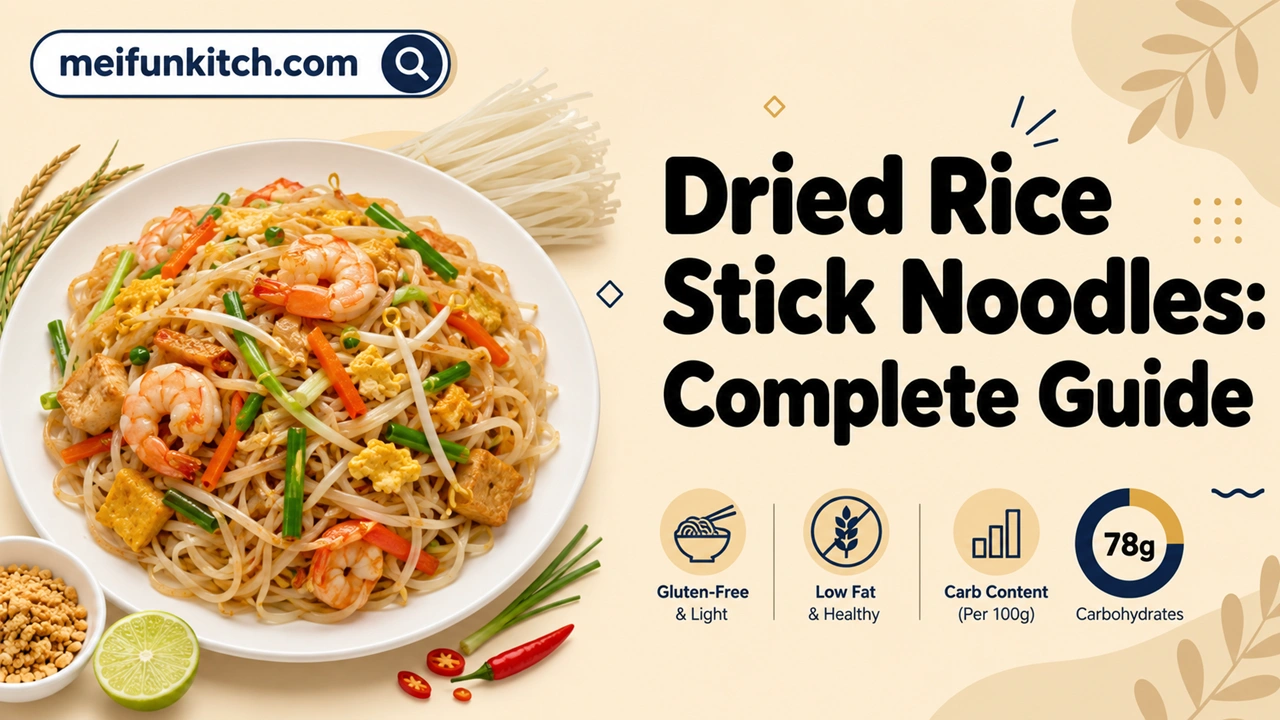
Dried rice stick noodles are a popular pantry staple in many Asian kitchens. They cook quickly and work well in stir-fries, soups, salads, and noodle bowls. Their mild taste absorbs sauces and seasonings with ease. If you want simple cooking instructions, the answer is easy. Soak or boil dried rice stick noodles according to their thickness. Then use them in your favorite recipe. This guide explains cooking methods, nutrition, storage, recipes, and expert tips to help you achieve the best results every time.
People enjoy dried rice stick noodles because they are versatile and naturally gluten-free when made only from rice and water. You can prepare them for Thai, Vietnamese, Chinese, or other Asian-inspired dishes. They pair well with vegetables, seafood, chicken, beef, tofu, and rich sauces. Moreover, they fit both quick family dinners and special meals. Learning the correct preparation method prevents sticking, breaking, or becoming too soft.
This complete guide covers everything about dried rice stick noodles, from their ingredients and different sizes to cooking techniques and storage advice. You will also discover nutrition facts, recipe ideas, common mistakes, buying tips, and answers to frequently asked questions. By the end, you will know how to choose the right noodles and cook them perfectly for every meal.
What Are Dried Rice Stick Noodles?
Dried rice stick noodles are thin or medium-width noodles made mainly from rice flour and water. Manufacturers shape the dough into flat strands before drying them for long-term storage. Drying extends shelf life while preserving the noodles’ texture and quality. Once soaked or cooked, they become soft, chewy, and ready for many recipes.
These noodles have a neutral flavor that blends well with bold seasonings. Therefore, they work with spicy, sweet, savory, or tangy sauces. Their smooth texture also makes them suitable for soups and stir-fries.
Unlike wheat noodles, dried rice stick noodles usually contain no gluten when produced with only rice and water. However, you should always check the ingredient label if you have dietary restrictions.
Common ingredients include:
| Ingredient | Purpose |
|---|---|
| Rice flour | Forms the noodle structure |
| Water | Creates the dough |
| Tapioca starch (sometimes) | Improves texture and elasticity |
| Salt (optional) | Enhances flavor and consistency |
Today, dried rice stick noodles are sold worldwide. You can find them in supermarkets, Asian grocery stores, and online retailers. They come in several widths, allowing cooks to select the best option for different recipes.
How Are Dried Rice Stick Noodles Made?
The production process begins by mixing rice flour with water to form a smooth batter or dough. Manufacturers then steam or press the mixture into thin sheets before cutting it into noodle strips.
Next, the fresh noodles pass through controlled drying conditions. This step removes moisture while keeping the noodles firm. Proper drying also increases shelf life and makes transportation easier.
Finally, the noodles are packaged in sealed bags to maintain freshness. When stored in a cool, dry place, dried rice stick noodles remain usable for many months without losing quality.
Why Are Dried Rice Stick Noodles So Popular?
Several features make dried rice stick noodles a favorite ingredient across many cuisines.
| Benefit | Why It Matters |
|---|---|
| Quick cooking | Saves time during busy meals |
| Mild flavor | Works with many sauces and spices |
| Versatile | Suitable for soups, stir-fries, and salads |
| Long shelf life | Easy pantry staple |
| Naturally gluten-free | Suitable for many diets when made only from rice |
| Multiple sizes | Fits different cooking styles |
These advantages explain why home cooks and professional chefs often choose dried rice stick noodles for everyday meals.
Different Types of Dried Rice Stick Noodles
Not all dried rice stick noodles look or cook the same. Manufacturers produce several widths to suit different recipes. Choosing the correct size improves texture and helps sauces coat the noodles evenly. Therefore, understanding the available options makes cooking easier and more successful.
Thin Dried Rice Stick Noodles
Thin dried rice stick noodles measure about 1–2 mm wide. They soften quickly and have a delicate texture. Many Southeast Asian recipes use this variety because it absorbs sauces without becoming heavy.
They are best for:
| Best Dish | Why They Work Well |
|---|---|
| Pad Thai | Absorbs sauce evenly |
| Rice noodle salads | Light texture |
| Spring roll filling | Easy to mix |
| Light stir-fries | Cooks very fast |
Medium Dried Rice Stick Noodles
Medium dried rice stick noodles are slightly wider and chewier. They hold their shape better during stir-frying. This variety works well with vegetables and protein.
Common uses include:
| Dish | Benefit |
|---|---|
| Chicken stir-fry | Balanced texture |
| Beef noodles | Holds rich sauces |
| Seafood noodles | Remains firm |
| Mixed vegetable noodles | Does not break easily |
Wide Dried Rice Stick Noodles
Wide dried rice stick noodles have a soft and chewy bite after cooking. They are popular in hearty stir-fries and rich noodle dishes.
They pair well with thick sauces because their larger surface area captures more flavor.
| Dish | Texture |
|---|---|
| Drunken noodles | Thick and chewy |
| Beef noodle dishes | Rich mouthfeel |
| Gravy-based stir-fries | Excellent sauce absorption |
| Restaurant-style noodles | Authentic appearance |
Choosing The Right Size
Selecting the proper dried rice stick noodles depends on your recipe.
| Noodle Width | Best Use | Cooking Time |
|---|---|---|
| Thin | Salads, Pad Thai | Short |
| Medium | Stir-fries | Medium |
| Wide | Saucy dishes | Slightly longer |
The right size improves texture and prevents overcooking.
How To Cook Dried Rice Stick Noodles
Cooking dried rice stick noodles correctly keeps them tender without becoming sticky. The best method depends on the noodle thickness and your recipe. Some dishes require soaking, while others need brief boiling.
Soaking Method
Soaking remains the preferred method for many Asian recipes. Warm water slowly softens dried rice stick noodles while preserving their structure.
Follow these steps:
| Step | Action |
|---|---|
| 1 | Place noodles in a large bowl. |
| 2 | Cover with warm water. |
| 3 | Soak until flexible. |
| 4 | Drain completely. |
| 5 | Finish cooking in sauce or broth. |
This method reduces breakage during stir-frying.
Boiling Method
Some thicker dried rice stick noodles require boiling. Use plenty of water and stir gently during cooking.
| Step | Action |
|---|---|
| 1 | Bring water to a boil. |
| 2 | Add noodles. |
| 3 | Stir gently. |
| 4 | Drain once tender. |
| 5 | Rinse briefly if needed. |
Avoid boiling longer than necessary because rice noodles continue softening after draining.
Best Tips For Stir-Frying
Proper preparation helps dried rice stick noodles stay separate during stir-frying.
| Tip | Benefit |
|---|---|
| Drain thoroughly | Prevents sogginess |
| Heat the pan first | Reduces sticking |
| Cook quickly | Preserves texture |
| Toss gently | Prevents breaking |
| Add sauce last | Even coating |
These simple techniques produce restaurant-quality results.
Common Cooking Mistakes
Many people struggle with dried rice stick noodles because of small preparation errors.
| Mistake | Result | Solution |
|---|---|---|
| Over-soaking | Mushy noodles | Follow package timing |
| Over-boiling | Broken texture | Cook briefly |
| Skipping draining | Watery dish | Drain well |
| Cold frying pan | Sticky noodles | Heat pan first |
| Too much sauce | Soft noodles | Add gradually |
Avoiding these mistakes improves every recipe.
Best Recipes Using Dried Rice Stick Noodles
The mild flavor of dried rice stick noodles makes them suitable for countless meals. They absorb spices, herbs, and sauces while maintaining a pleasant chew.
Pad Thai
Pad Thai remains one of the most popular dishes featuring dried rice stick noodles. Tamarind sauce, eggs, peanuts, bean sprouts, and protein create a balanced meal.
| Main Ingredient | Purpose |
|---|---|
| Rice stick noodles | Base |
| Tamarind sauce | Tangy flavor |
| Egg | Richness |
| Bean sprouts | Crunch |
| Peanuts | Texture |
| Lime | Fresh finish |
Vietnamese Pho
Pho combines dried rice stick noodles with aromatic broth, herbs, and sliced meat.
| Ingredient | Role |
|---|---|
| Rice noodles | Main carbohydrate |
| Beef or chicken | Protein |
| Broth | Flavor base |
| Basil | Fresh aroma |
| Lime | Bright taste |
| Bean sprouts | Crunch |
Singapore Noodles
Although named after Singapore, this curry-flavored dish often uses dried rice stick noodles with shrimp, vegetables, and eggs.
| Ingredient | Benefit |
|---|---|
| Curry powder | Signature flavor |
| Shrimp | Protein |
| Bell peppers | Color |
| Onion | Sweetness |
| Eggs | Texture |
Rice Noodle Soup
A simple soup becomes satisfying with dried rice stick noodles.
| Additions | Flavor |
|---|---|
| Mushrooms | Earthy |
| Bok choy | Fresh |
| Chicken | Hearty |
| Garlic | Aroma |
| Ginger | Warm spice |
These recipes show why dried rice stick noodles remain a staple across many Asian cuisines.
Different Types of Dried Rice Stick Noodles and Their Best Uses
Choosing the right noodle thickness can completely change the texture of a finished dish. Some varieties stay delicate and soft, while others remain chewy enough for high-heat stir-frying. Understanding these differences helps you select the best option for every recipe.
Thin Rice Stick Noodles for Soups, Salads, and Light Stir-Fries
Thin rice sticks, often called rice vermicelli, measure about 1–2 mm wide. They soften quickly after soaking and have a delicate bite. Because they absorb seasonings easily, they work well in light dishes where fresh herbs and vegetables remain the main focus.
| Width | Best For | Texture After Cooking |
|---|---|---|
| 1–2 mm | Pad Thai, salads, spring rolls | Soft and tender |
Medium Rice Stick Noodles for Everyday Cooking
Medium-width noodles provide a balance between softness and chewiness. They hold sauces better than thinner varieties and stay intact during tossing. Many home cooks prefer this size because it works with seafood, chicken, beef, and vegetables.
| Width | Ideal Dishes | Texture |
|---|---|---|
| 3–5 mm | Stir-fries, noodle bowls, curry dishes | Chewy |
Wide Rice Noodles for Rich Sauces and Restaurant-Style Meals
Wide rice noodles offer the heartiest texture. Their larger surface area captures thick sauces and gravies while remaining pleasantly chewy. They perform best in dishes cooked over high heat.
| Width | Popular Recipes | Texture |
|---|---|---|
| 6 mm+ | Drunken noodles, beef noodles | Thick and chewy |
How to Choose the Right Rice Stick Size for Every Recipe
The best choice depends on your cooking method and desired texture. Thin varieties cook fastest, while wider noodles require slightly more preparation.
| Recipe | Recommended Width | Why It Works |
|---|---|---|
| Pad Thai | Thin | Absorbs sauce quickly |
| Pho | Medium | Holds shape in broth |
| Stir-fry | Medium or wide | Resists breaking |
| Curry noodles | Wide | Carries thick sauces |
How to Cook Rice Stick Noodles Without Making Them Sticky or Mushy
Perfect texture depends more on preparation than cooking time. Water temperature, soaking time, and finishing technique all affect the final result. Small adjustments can produce noodles that stay springy instead of clumping together.
When to Soak Instead of Boil
Most rice noodles soften well in warm water. Soaking keeps the strands flexible and reduces the chance of overcooking during stir-frying.
| Noodle Type | Preparation | Best For |
|---|---|---|
| Thin | Warm-water soak | Stir-fries |
| Medium | Warm-water soak | Most recipes |
| Wide | Long soak or brief boil | Thick sauces |
How Long Should Rice Noodles Cook?
Cooking time varies by thickness. Removing them slightly early prevents a mushy texture because they continue softening after draining.
| Thickness | Approximate Time |
|---|---|
| Thin | 4–6 minutes |
| Medium | 6–8 minutes |
| Wide | 8–10 minutes |
Simple Tips for Restaurant-Quality Texture
Proper handling makes a noticeable difference.
| Tip | Benefit |
|---|---|
| Drain well | Prevents excess moisture |
| Cook over high heat | Improves texture |
| Toss gently | Keeps strands intact |
| Add sauce gradually | Prevents sogginess |
| Serve immediately | Maintains freshness |
Common Cooking Mistakes and Easy Solutions
Many texture problems come from rushing the preparation process.
| Mistake | Problem | Better Approach |
|---|---|---|
| Over-soaking | Soft noodles | Follow package timing |
| Over-boiling | Broken strands | Cook only until tender |
| Skipping the drain | Watery dish | Drain thoroughly |
| Crowding the pan | Uneven cooking | Cook in batches |
Dried Rice Stick Noodles Nutrition Facts and Health Benefits
Many people choose dried rice stick noodles because they cook quickly and fit a wide range of meals. They provide a dependable source of carbohydrates and pair well with vegetables, lean proteins, and healthy sauces. While they are not especially high in protein or fiber, a balanced meal can improve their overall nutritional value.
The exact nutrition depends on the ingredients and serving size. Most products contain rice flour and water, although some brands include tapioca starch to improve texture.
| Nutrient | Typical Amount (Per 100 g Dry) | Why It Matters |
|---|---|---|
| Calories | 350–370 | Provides energy |
| Carbohydrates | 78–82 g | Main energy source |
| Protein | 5–7 g | Supports muscle maintenance |
| Fat | Less than 1 g | Naturally low in fat |
| Fiber | 1–2 g | Supports digestion |
| Sodium | Varies by brand | Check the label before buying |
A meal becomes more nutritious when served with colorful vegetables and a quality protein source.
Are Rice Stick Noodles Healthy for Everyday Meals?
These noodles can fit into a healthy eating plan when portion sizes remain reasonable. Their neutral flavor allows cooks to build balanced meals without relying on heavy sauces.
Adding grilled chicken, shrimp, tofu, mushrooms, broccoli, carrots, and leafy greens increases vitamins, minerals, and protein. Choosing homemade sauces also helps control sodium and added sugar.
| Healthy Addition | Benefit |
|---|---|
| Chicken breast | Lean protein |
| Shrimp | Low-fat protein |
| Tofu | Plant-based protein |
| Broccoli | Fiber and vitamin C |
| Bell peppers | Antioxidants |
| Spinach | Iron and folate |
Are Dried Rice Stick Noodles Gluten-Free?
Most rice stick noodles contain only rice flour and water. Therefore, they are naturally gluten-free. However, manufacturing facilities may process wheat products on the same equipment.
People with celiac disease or gluten sensitivity should always read the ingredient list and allergen statement before purchasing.
| Ingredient | Usually Gluten-Free |
|---|---|
| Rice flour | Yes |
| Water | Yes |
| Tapioca starch | Yes |
| Wheat flour | No |
| Barley | No |
| Rye | No |
Certified gluten-free products provide extra confidence for those following a strict gluten-free diet.
Can Rice Stick Noodles Support Weight Management?
No single food causes weight gain or weight loss. Instead, total calorie intake and overall diet determine long-term results.
Rice noodles work well in lighter meals because they contain little fat. Combining moderate portions with vegetables and lean protein creates a satisfying meal without unnecessary calories.
| Better Choice | Why It Helps |
|---|---|
| Smaller portions | Controls calorie intake |
| Extra vegetables | Adds volume and fiber |
| Lean protein | Improves fullness |
| Homemade sauces | Reduces added sugar |
| Less oil | Lowers total calories |
How to Choose the Best Dried Rice Stick Noodles
Not every package delivers the same quality. Texture, ingredients, thickness, and freshness all influence the final result. Reading the label before buying helps you select noodles that match your cooking style.
Premium products often contain fewer ingredients and maintain a consistent texture after cooking.
What to Look for Before Buying
Several details indicate good quality.
| Feature | Why It Is Important |
|---|---|
| Simple ingredient list | Fewer unnecessary additives |
| Even noodle size | Consistent cooking |
| No broken pieces | Better texture |
| Clear packaging | Easier quality inspection |
| Recent production date | Fresher product |
Packages with excessive broken noodles may not cook evenly.
Which Thickness Should You Buy?
Different recipes require different noodle widths. Selecting the right thickness improves both appearance and texture.
| Recipe | Recommended Width |
|---|---|
| Pad Thai | Thin |
| Pho | Medium |
| Stir-fry | Medium |
| Curry noodles | Wide |
| Noodle soup | Medium |
| Cold noodle salad | Thin |
Buying two or three different widths gives you more flexibility in the kitchen.
Popular Rice Noodle Brands
Many trusted brands offer consistent quality. Availability depends on your location.
| Brand Type | Common Features |
|---|---|
| Thai brands | Excellent for Pad Thai |
| Vietnamese brands | Great for pho |
| Chinese brands | Suitable for stir-fries |
| Organic brands | Minimal ingredients |
| Gluten-free certified brands | Ideal for special diets |
Instead of choosing by brand name alone, compare ingredients, noodle thickness, and customer reviews.
How to Store Dried Rice Stick Noodles for Maximum Freshness
Proper storage protects both flavor and texture. Dry noodles last much longer than fresh ones when kept away from heat and moisture.
An unopened package remains shelf-stable for many months under suitable conditions.
Best Pantry Storage Practices
Store the package in a cool, dry location away from direct sunlight. After opening, transfer the remaining noodles to an airtight container to prevent moisture exposure.
| Storage Method | Expected Result |
|---|---|
| Original sealed package | Long shelf life |
| Airtight container | Better freshness |
| Cool pantry | Prevents moisture damage |
| Dry cabinet | Reduces spoilage risk |
Avoid storing noodles near the stove because heat and humidity may reduce quality.
How Long Do Rice Stick Noodles Last?
Shelf life depends on storage conditions and packaging.
| Condition | Typical Shelf Life |
|---|---|
| Unopened package | 12–24 months |
| Opened airtight container | Several months |
| Cooked noodles (refrigerated) | 3–4 days |
Always inspect the product before use. Discard noodles that develop an unusual smell, discoloration, or signs of moisture damage.
Can You Freeze Cooked Rice Noodles?
Yes. Freezing works best after the noodles cool completely. Divide them into meal-sized portions before placing them in freezer-safe containers.
| Storage Option | Best Use |
|---|---|
| Refrigerator | Short-term meals |
| Freezer | Longer storage |
| Airtight container | Maintains texture |
Thaw frozen noodles in the refrigerator before reheating gently in a pan or hot broth.
Best Recipes Using Dried Rice Stick Noodles for Every Occasion
One reason dried rice stick noodles remain so popular is their versatility. Their mild flavor complements vegetables, meat, seafood, tofu, and rich sauces. Whether you need a quick lunch or a family dinner, these noodles adapt to countless recipes without overpowering other ingredients.
Choosing the right noodle width also improves the final texture. Thin varieties suit lighter meals, while medium and wide noodles perform better in hearty stir-fries.
| Recipe Type | Recommended Noodle Width | Cooking Style |
|---|---|---|
| Pad Thai | Thin | Stir-fried |
| Pho | Medium | Soup |
| Singapore noodles | Thin | Stir-fried |
| Chicken noodle bowl | Medium | Tossed |
| Vegetable noodles | Medium | Stir-fried |
| Seafood noodles | Wide | Stir-fried |
Pad Thai with Rice Stick Noodles
Pad Thai remains one of the most recognized dishes made with dried rice stick noodles. The noodles absorb tamarind sauce while maintaining a soft and chewy texture.
Fresh bean sprouts, scrambled eggs, peanuts, lime, and green onions complete the dish. Shrimp, chicken, or tofu can also increase the protein content.
| Main Ingredient | Purpose |
|---|---|
| Rice stick noodles | Main ingredient |
| Tamarind sauce | Tangy flavor |
| Eggs | Rich texture |
| Bean sprouts | Fresh crunch |
| Peanuts | Nutty finish |
| Lime | Bright flavor |
Vietnamese Pho with Rice Noodles
Pho combines fragrant broth with tender rice noodles, herbs, and sliced meat. Medium-width noodles work best because they stay firm without becoming overly soft.
Fresh basil, cilantro, bean sprouts, and lime provide balance while enhancing the broth.
| Ingredient | Benefit |
|---|---|
| Beef or chicken broth | Deep flavor |
| Rice noodles | Tender texture |
| Fresh herbs | Aroma |
| Bean sprouts | Crunch |
| Lime wedges | Freshness |
Singapore Curry Noodles
Despite the name, Singapore noodles are popular worldwide. Curry powder gives this stir-fried dish its signature golden color.
Shrimp, eggs, onions, carrots, and bell peppers blend well with thin rice noodles.
| Ingredient | Role |
|---|---|
| Curry powder | Signature seasoning |
| Shrimp | Lean protein |
| Eggs | Soft texture |
| Bell peppers | Sweet flavor |
| Carrots | Color and crunch |
Chicken and Vegetable Rice Noodles
This simple meal works well for busy weeknights. Chicken breast provides lean protein, while colorful vegetables increase fiber and nutrients.
Broccoli, carrots, mushrooms, and snow peas all cook quickly alongside the noodles.
| Ingredient | Why Add It |
|---|---|
| Chicken | Protein |
| Broccoli | Fiber |
| Mushrooms | Umami flavor |
| Carrots | Natural sweetness |
| Garlic | Aroma |
| Ginger | Fresh taste |
Rice Noodle Soup for Comfort Meals
A warm bowl of noodle soup offers comfort throughout the year. The mild flavor allows the broth to remain the star of the meal.
You can customize the soup with vegetables, herbs, seafood, tofu, or shredded chicken.
| Soup Addition | Benefit |
|---|---|
| Bok choy | Fresh texture |
| Mushrooms | Earthy flavor |
| Chicken | Extra protein |
| Tofu | Plant protein |
| Green onions | Mild sharpness |
Dried Rice Stick Noodles vs Other Popular Noodles
Many shoppers compare dried rice stick noodles with wheat noodles, glass noodles, and rice vermicelli before buying. Each type offers unique characteristics that suit different cooking methods.
Understanding these differences helps you select the right noodle for every recipe.
Rice Stick Noodles vs Rice Vermicelli
Although both come from rice flour, they differ mainly in thickness.
| Feature | Rice Stick Noodles | Rice Vermicelli |
|---|---|---|
| Thickness | Medium to wide | Very thin |
| Texture | Chewy | Delicate |
| Best Use | Stir-fries and soups | Salads and spring rolls |
| Cooking Time | Slightly longer | Very quick |
Rice vermicelli works best in lighter dishes, while rice sticks handle richer sauces more effectively.
Rice Stick Noodles vs Egg Noodles
Egg noodles contain wheat flour and eggs, giving them a richer taste and firmer texture.
| Feature | Rice Stick Noodles | Egg Noodles |
|---|---|---|
| Main Ingredient | Rice flour | Wheat flour and eggs |
| Gluten | Usually gluten-free | Contains gluten |
| Texture | Soft and chewy | Firm and springy |
| Common Cuisine | Thai and Vietnamese | Chinese cuisine |
People following a gluten-free diet often prefer rice-based noodles.
Rice Stick Noodles vs Glass Noodles
Glass noodles look similar after cooking but come from different starches.
| Feature | Rice Stick Noodles | Glass Noodles |
|---|---|---|
| Main Ingredient | Rice flour | Mung bean or sweet potato starch |
| Appearance | Opaque white | Transparent |
| Texture | Chewy | Slightly slippery |
| Popular Uses | Stir-fries and soups | Salads and hot pots |
Glass noodles become translucent after cooking, while rice noodles remain white.
Rice Stick Noodles vs Udon Noodles
These two noodles differ significantly in texture and origin.
| Feature | Rice Stick Noodles | Udon |
|---|---|---|
| Origin | Southeast Asia | Japan |
| Thickness | Thin to medium | Very thick |
| Texture | Light and chewy | Dense and chewy |
| Flour Type | Rice | Wheat |
Udon suits hearty broths, whereas rice sticks work across a wider variety of Asian dishes.
Common Mistakes to Avoid When Cooking Dried Rice Stick Noodles
Even experienced cooks occasionally struggle with rice noodles. Fortunately, most problems have simple solutions.
Over-Soaking Before Cooking
Soaking for too long weakens the noodle structure. The strands become difficult to handle and may break during stir-frying.
| Problem | Better Solution |
|---|---|
| Mushy texture | Follow package instructions |
| Broken noodles | Check every few minutes |
| Sticky strands | Drain immediately |
Using Too Much Water During Cooking
Boiling longer than necessary removes the pleasant chewiness.
| Mistake | Better Practice |
|---|---|
| Long boiling | Cook only until tender |
| High heat after cooking | Remove promptly |
| Skipping draining | Drain thoroughly |
Adding Sauce Too Early
Rice noodles absorb liquid quickly. Adding all the sauce at once may produce a soggy meal.
| Better Method | Benefit |
|---|---|
| Add sauce gradually | Even coating |
| Toss continuously | Prevents sticking |
| Finish over high heat | Better texture |
Overcrowding the Pan
A crowded pan traps steam instead of creating the slight browning found in restaurant dishes.
| Issue | Solution |
|---|---|
| Uneven cooking | Cook in batches |
| Excess moisture | Use a larger pan |
| Clumped noodles | Toss gently |
These simple techniques help produce flavorful meals with the ideal texture every time.
How to Serve Dried Rice Stick Noodles with Different Proteins and Vegetables
One of the biggest advantages of dried rice stick noodles is their ability to pair with almost any ingredient. Their neutral flavor allows vegetables, meats, seafood, and seasonings to stand out. As a result, they fit both simple home cooking and restaurant-style meals.
Choosing complementary ingredients creates a balanced meal with better nutrition and texture.
| Protein | Recommended Vegetables | Best Cooking Style |
|---|---|---|
| Chicken | Broccoli, carrots | Stir-fry |
| Beef | Bell peppers, onions | High-heat wok |
| Shrimp | Snow peas, mushrooms | Quick stir-fry |
| Tofu | Bok choy, cabbage | Vegetarian bowl |
| Salmon | Spinach, edamame | Rice noodle bowl |
Best Vegetables That Pair Well with Rice Stick Noodles
Fresh vegetables add crunch, color, and nutrients. Most cook quickly, making them perfect for weeknight meals.
| Vegetable | Flavor | Texture |
|---|---|---|
| Broccoli | Mild | Crisp |
| Bell peppers | Sweet | Crunchy |
| Carrots | Sweet | Firm |
| Bok choy | Fresh | Tender |
| Mushrooms | Earthy | Soft |
| Snow peas | Mild | Crisp |
| Baby corn | Sweet | Crunchy |
Best Sauces for Rice Stick Noodles
The right sauce transforms a simple noodle dish into a flavorful meal. Since rice noodles absorb liquids well, moderate amounts produce the best results.
| Sauce | Best Used In |
|---|---|
| Soy sauce | Stir-fries |
| Oyster sauce | Beef dishes |
| Fish sauce | Thai recipes |
| Tamarind sauce | Pad Thai |
| Hoisin sauce | Vegetable noodles |
| Garlic sauce | Chicken noodles |
| Chili sauce | Spicy recipes |
| Sesame sauce | Cold noodle salads |
Essential Ingredients That Improve the Flavor of Dried Rice Stick Noodles
Small ingredients often make the biggest difference. Fresh herbs, aromatic vegetables, and spices create deeper flavors without adding much preparation time.
| Ingredient | Flavor Contribution |
|---|---|
| Garlic | Savory aroma |
| Ginger | Fresh warmth |
| Green onions | Mild onion flavor |
| Cilantro | Freshness |
| Thai basil | Herbal aroma |
| Lime juice | Bright acidity |
| Sesame oil | Nutty finish |
| Crushed peanuts | Crunch |
Using fresh ingredients helps every noodle dish taste more vibrant.
Can You Prepare Dried Rice Stick Noodles Ahead of Time?
Meal preparation saves time during busy weeks. Fortunately, rice noodles store well after cooking if handled correctly.
Cook them until just tender. Then cool them quickly before refrigeration. Slightly undercooked noodles maintain a better texture during reheating.
| Preparation Step | Benefit |
|---|---|
| Cook until slightly firm | Prevents mushiness |
| Rinse briefly | Stops cooking |
| Toss with a little oil | Reduces sticking |
| Refrigerate in airtight container | Preserves freshness |
How to Reheat Rice Noodles Without Drying Them Out
Gentle reheating preserves texture better than prolonged cooking.
| Reheating Method | Best For |
|---|---|
| Stir-fry pan | Fried noodles |
| Hot broth | Soups |
| Microwave with splash of water | Quick lunches |
| Steamer | Larger portions |
Avoid overheating because rice noodles soften quickly.
Buying Guide: What to Look for When Purchasing Dried Rice Stick Noodles
The quality of the noodles affects cooking performance. Better products cook evenly and remain pleasantly chewy.
Inspect the package carefully before buying.
| Buying Factor | Why It Matters |
|---|---|
| Uniform noodle width | Even cooking |
| Minimal broken pieces | Better presentation |
| Simple ingredients | Cleaner flavor |
| Moisture-free package | Longer shelf life |
| Trusted manufacturer | Consistent quality |
Where to Buy High-Quality Rice Stick Noodles
These noodles are widely available.
| Place | Advantages |
|---|---|
| Asian grocery stores | Largest selection |
| Supermarkets | Easy availability |
| Organic food stores | Specialty products |
| Online retailers | Wide brand choice |
| Wholesale markets | Better value |
How to Read Rice Noodle Labels Before Buying
Reading labels helps you compare products more effectively.
| Label Section | What to Check |
|---|---|
| Ingredients | Rice flour should appear first |
| Allergens | Wheat or gluten warnings |
| Expiration date | Freshness |
| Nutrition facts | Calories and sodium |
| Country of origin | Traditional production |
Simple ingredient lists usually indicate fewer unnecessary additives.
Who Should Eat Dried Rice Stick Noodles?
These noodles fit many eating patterns because they combine well with different ingredients.
| Diet Preference | Suitable |
|---|---|
| Vegetarian | Yes |
| Vegan | Yes, if no egg ingredients |
| Gluten-free | Usually, verify label |
| Dairy-free | Yes |
| Low-fat meals | Yes |
People can easily adapt recipes by selecting vegetables, proteins, and sauces that match their dietary needs.
Best Side Dishes to Serve with Dried Rice Stick Noodles
A complete meal includes more than noodles. Side dishes add variety, nutrition, and texture.
| Side Dish | Pairs Well With |
|---|---|
| Fresh spring rolls | Thai meals |
| Cucumber salad | Spicy noodles |
| Steamed vegetables | Stir-fries |
| Chicken satay | Peanut noodles |
| Miso soup | Light lunches |
| Asian slaw | Cold noodle bowls |
Adding a simple side dish creates a more satisfying dining experience while balancing flavors and textures.
Frequently Asked Questions About Dried Rice Stick Noodles
How Long Should You Soak Dried Rice Stick Noodles Before Cooking?
The soaking time depends on the noodle thickness. Thin varieties soften much faster than wider ones. Always check the package instructions because different manufacturers recommend different times.
The noodles should feel flexible but remain slightly firm. They will continue cooking when added to a hot wok or broth.
| Noodle Thickness | Recommended Preparation |
|---|---|
| Thin | Short warm-water soak |
| Medium | Moderate soaking time |
| Wide | Longer soak or brief boil |
Can You Boil Rice Stick Noodles Instead of Soaking Them?
Yes. However, boiling is not always the best method. Thin noodles may become too soft if they stay in boiling water for too long.
Many stir-fry recipes recommend soaking first. The noodles finish cooking in the sauce, creating a better texture.
| Cooking Method | Best Used For |
|---|---|
| Warm-water soaking | Stir-fries |
| Boiling | Soups and thicker noodles |
| Soak then stir-fry | Restaurant-style dishes |
Why Do Rice Stick Noodles Become Sticky?
Excess starch and overcooking often cause sticking. Leaving cooked noodles in hot water also increases the problem.
Draining them immediately and tossing them gently prevents clumping.
| Cause | Solution |
|---|---|
| Over-soaking | Follow recommended timing |
| Overcooking | Remove while slightly firm |
| Excess starch | Rinse lightly if appropriate |
| Sitting too long | Cook just before serving |
Can You Freeze Cooked Rice Stick Noodles?
Yes. Cooked noodles freeze well when cooled before storage. Divide them into meal-sized portions for easier reheating.
Freezing helps reduce food waste and makes meal preparation faster.
| Storage Method | Recommended Time |
|---|---|
| Refrigerator | 3–4 days |
| Freezer | Up to 2 months |
| Airtight container | Best quality |
Are Rice Stick Noodles Good for Stir-Fry?
Absolutely. They are one of the most popular choices for stir-fried Asian dishes. Their chewy texture absorbs sauces without overpowering other ingredients.
High heat and quick cooking produce the best results.
| Stir-Fry Ingredient | Works Well |
|---|---|
| Chicken | ✔ |
| Beef | ✔ |
| Shrimp | ✔ |
| Tofu | ✔ |
| Mixed vegetables | ✔ |
What Is the Difference Between Rice Stick Noodles and Rice Vermicelli?
Both products come from rice flour. The main difference is thickness.
Rice vermicelli is much thinner and cooks faster. Rice sticks are slightly wider and better suited for stir-fries and hearty noodle bowls.
| Feature | Rice Stick Noodles | Rice Vermicelli |
|---|---|---|
| Thickness | Medium | Thin |
| Texture | Chewy | Light |
| Best Recipes | Stir-fries | Salads and spring rolls |
Do Rice Stick Noodles Contain Gluten?
Most products contain only rice flour and water. Therefore, they are naturally gluten-free.
However, always read the ingredient label because some manufacturers process products in facilities that also handle wheat.
| Ingredient | Gluten-Free |
|---|---|
| Rice flour | Yes |
| Water | Yes |
| Tapioca starch | Yes |
| Wheat flour | No |
Can You Use Rice Stick Noodles for Soup?
Yes. They absorb broth beautifully while maintaining a pleasant texture.
Medium-width noodles are especially popular in Vietnamese pho and other Asian soups.
| Soup Type | Recommended Choice |
|---|---|
| Pho | Medium |
| Chicken noodle soup | Medium |
| Vegetable soup | Thin or medium |
| Seafood soup | Medium |
Final Thoughts on Dried Rice Stick Noodles
Dried rice stick noodles deserve a place in every pantry because they are versatile, affordable, and easy to prepare. Whether you enjoy classic Pad Thai, comforting pho, spicy stir-fries, or light noodle salads, they adapt to almost any recipe.
Choosing the correct noodle width, preparing them carefully, and pairing them with fresh vegetables, quality protein, and balanced sauces creates consistently delicious meals. Proper storage also helps maintain freshness for months, making them a reliable pantry staple.
With the cooking tips, nutrition information, recipe ideas, buying advice, and comparisons in this guide, you can confidently prepare flavorful dishes at home. From quick weekday dinners to authentic Asian-inspired meals, these noodles provide endless possibilities for creative cooking.

George Eliot
Author63 Published Articles
George Eliot is a passionate recipe writer and home cooking enthusiast dedicated to sharing simple, flavorful, and reliable recipes for everyday meals. With a love for fresh ingredients and practical cooking techniques, George creates easy-to-follow recipes that help home cooks of all skill levels prepare delicious breakfasts, lunches, dinners, desserts, and snacks. In addition to developing recipes, George shares helpful cooking tips, ingredient guides, and nutrition insights to inspire readers to cook with confidence and enjoy homemade food. Every recipe is carefully crafted, tested, and written with the goal of making home cooking enjoyable, accessible, and rewarding for families and food lovers alike.
EducationPostgraduate Diploma in Nutrition.
Experience5 Years.
ExpertiseWrite about Recipes, Nutrition Facts