
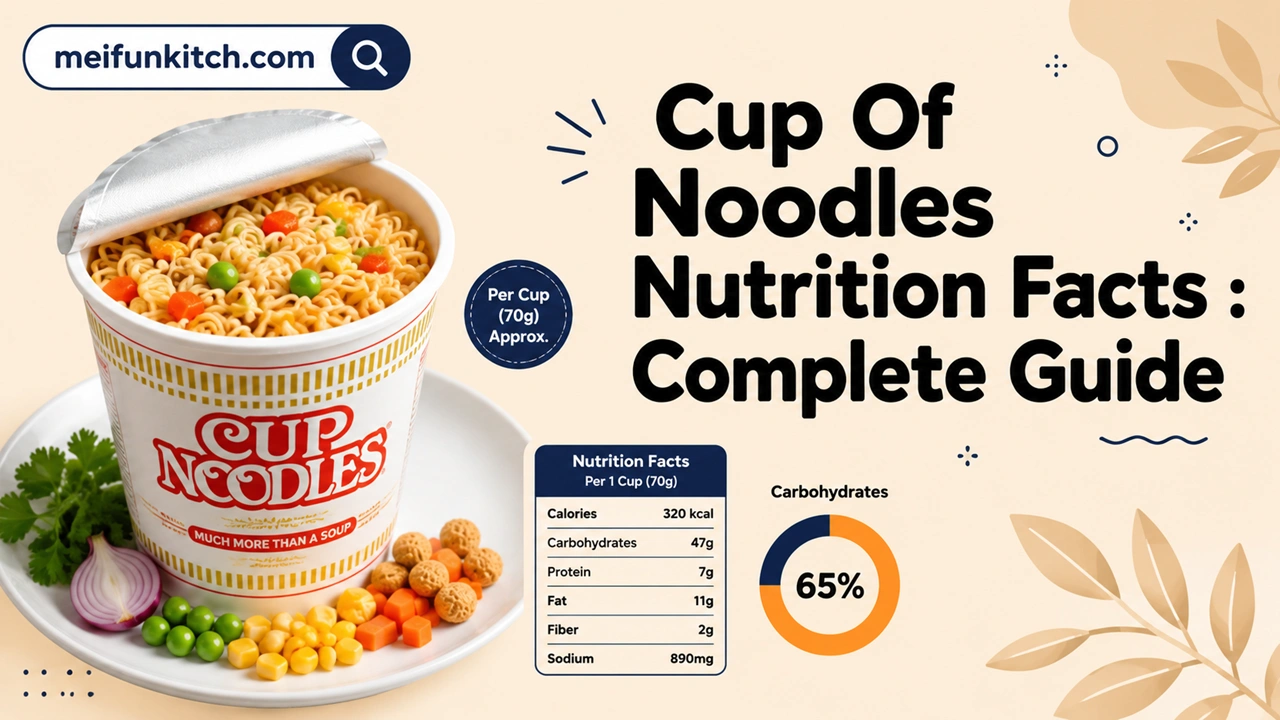
Cup of noodles nutrition facts matter if you want a quick meal without guessing its nutritional value. A standard cup of noodles usually contains around 280 to 400 calories. It also provides carbohydrates, fat, protein, and sodium. However, the exact nutrition depends on the flavor and brand. This guide explains everything you should know before buying or eating instant cup noodles. It also shares practical ways to enjoy them while maintaining a balanced diet.
Many people choose instant noodles because they are affordable, convenient, and ready within minutes. Even so, understanding cup of noodles nutrition facts helps you make smarter food choices. For example, you can compare calories, sodium, and protein before selecting your favorite flavor. You can also learn how simple additions, such as vegetables or lean protein, improve the meal.
This guide covers cup of noodles nutrition facts from every angle. You will learn about calories, carbohydrates, fat, sodium, vitamins, serving sizes, and health effects. Moreover, you will discover comparisons with other instant noodles, healthy eating tips, and answers to common questions. By the end, you will know whether cup noodles fit your lifestyle and how to enjoy them wisely.
Cup of Noodles Nutrition Facts: Quick Answer
If you need a quick summary, cup of noodles nutrition facts show that one serving usually contains between 280 and 400 calories. Most cups provide 35 to 55 grams of carbohydrates, 6 to 10 grams of protein, and 10 to 18 grams of fat. Sodium remains the biggest concern because many cups contain over half of the recommended daily limit.
The nutrition also changes by flavor. Chicken, beef, shrimp, and spicy varieties have slightly different calorie and sodium levels. Furthermore, premium instant noodles often contain more calories because they include richer ingredients and larger portions.
The table below provides a general nutritional overview.
| Nutrient | Typical Amount Per Cup | Daily Value Consideration |
|---|---|---|
| Calories | 280–400 | Moderate |
| Carbohydrates | 35–55 g | Primary energy source |
| Protein | 6–10 g | Moderate |
| Total Fat | 10–18 g | Varies by flavor |
| Saturated Fat | 4–8 g | Should be limited |
| Fiber | 1–3 g | Usually low |
| Sugar | 1–4 g | Generally low |
| Sodium | 1,000–1,800 mg | Usually high |
Although cup of noodles nutrition facts look acceptable for calories, sodium often becomes the main nutritional concern. Therefore, reading the nutrition label before eating remains important.
What Are Cup Noodles Made Of?
Understanding the ingredients makes cup of noodles nutrition facts easier to interpret. Most instant cup noodles include pre-cooked wheat noodles, seasoning powder, vegetable flakes, oil, and flavor enhancers. Manufacturers fry or air-dry the noodles before packaging them. As a result, they cook quickly after adding hot water.
Many flavors also contain dried vegetables, soy sauce powder, spices, garlic, onion, and dehydrated meat pieces. Some premium products include larger vegetables and better-quality proteins.
The following table shows common ingredients.
| Ingredient | Purpose |
|---|---|
| Wheat Flour | Forms the noodles |
| Palm Oil | Adds texture and flavor |
| Salt | Improves taste and preservation |
| Seasoning Powder | Creates the main flavor |
| Dried Vegetables | Adds color and nutrients |
| Spices | Enhances flavor |
| Flavor Enhancers | Improves savory taste |
Although these ingredients make cup noodles convenient, cup of noodles nutrition facts reveal that seasoning packets contribute most of the sodium.
Why Do People Check Cup Noodles Nutrition?
Consumers often review cup of noodles nutrition facts because they want to balance convenience with healthy eating. Many people count calories for weight management. Others monitor sodium because of blood pressure concerns.
Students, office workers, travelers, and busy families also compare nutrition labels before choosing a flavor. Besides that, athletes sometimes check protein content to decide whether additional protein is necessary.
Here are the most common reasons people read nutrition labels.
| Reason | Benefit |
|---|---|
| Weight Management | Helps control calorie intake |
| Heart Health | Tracks sodium consumption |
| Fitness Goals | Monitors protein intake |
| Balanced Diet | Improves meal planning |
| Food Comparison | Chooses healthier options |
Overall, checking cup of noodles nutrition facts allows you to make informed decisions instead of relying only on taste or convenience.
Cup of Noodles Nutrition Facts Per Serving
Reading the nutrition label helps you understand cup of noodles nutrition facts before eating. Although brands differ slightly, most products offer similar nutrients. Serving size also matters because larger cups naturally contain more calories and sodium. Therefore, always check whether the label represents one full container or multiple servings.
The table below summarizes the typical nutrition found in one standard serving.
| Nutrient | Average Amount Per Serving | What It Means |
|---|---|---|
| Calories | 280–400 | Provides energy |
| Carbohydrates | 35–55 g | Main energy source |
| Protein | 6–10 g | Supports muscles |
| Total Fat | 10–18 g | Adds flavor and calories |
| Saturated Fat | 4–8 g | Consume in moderation |
| Fiber | 1–3 g | Usually low |
| Sugar | 1–4 g | Naturally low |
| Sodium | 1,000–1,800 mg | Often very high |
| Potassium | 100–250 mg | Supports muscle function |
| Iron | 10–20% Daily Value | Helps oxygen transport |
Although cup of noodles nutrition facts include several essential nutrients, sodium remains the nutrient most people should monitor.
Calories
Calories receive the most attention when discussing cup of noodles nutrition facts. Most regular cups contain between 280 and 400 calories. However, larger premium bowls can exceed 500 calories because they include more noodles, oil, and toppings.
Calories come from three main nutrients.
| Source | Contribution |
|---|---|
| Carbohydrates | Largest source of energy |
| Fat | Adds rich flavor and increases calories |
| Protein | Provides a smaller share of calories |
If you eat cup noodles as a snack, those calories may fit your daily needs. However, adding sugary drinks or fried sides quickly increases your total calorie intake.
Carbohydrates
Carbohydrates make up most of cup of noodles nutrition facts. Wheat flour provides the majority of these carbohydrates. As a result, noodles supply quick energy after eating.
Most cups contain between 35 and 55 grams of carbohydrates.
| Carbohydrate Detail | Typical Amount |
|---|---|
| Total Carbohydrates | 35–55 g |
| Dietary Fiber | 1–3 g |
| Sugars | 1–4 g |
Since fiber remains low, cup noodles may not keep you full for long. Adding vegetables or beans can increase fiber and improve satisfaction.
Protein
Protein supports muscle maintenance and body repair. Still, cup of noodles nutrition facts show only moderate protein levels.
Most standard cups provide between 6 and 10 grams of protein.
| Protein Source | Example |
|---|---|
| Wheat Flour | Small amount |
| Seasoning Ingredients | Minor contribution |
| Dried Meat Pieces | Varies by flavor |
If you need more protein, consider adding cooked chicken, boiled eggs, tofu, shrimp, or edamame. These additions create a more balanced meal.
Fat
Fat contributes both flavor and texture. Many manufacturers fry noodles before packaging them. Therefore, cup of noodles nutrition facts include moderate fat levels.
| Fat Type | Typical Amount |
|---|---|
| Total Fat | 10–18 g |
| Saturated Fat | 4–8 g |
| Trans Fat | Usually 0 g |
Although fat increases flavor, too much saturated fat may not support long-term heart health. Therefore, enjoy instant noodles as part of a balanced eating pattern.
Fiber
Fiber supports digestion and helps you stay full. Unfortunately, cup of noodles nutrition facts reveal that most instant noodles contain very little fiber.
| Fiber Information | Typical Value |
|---|---|
| Dietary Fiber | 1–3 g |
| Recommended Daily Intake | 25–38 g |
Adding spinach, broccoli, carrots, mushrooms, cabbage, or peas can greatly improve fiber intake without changing the cooking process.
Sugar
Sugar is not usually a concern in cup of noodles nutrition facts. Most flavors contain only small amounts because they rely on savory seasonings instead of sweet ingredients.
| Sugar Type | Typical Amount |
|---|---|
| Total Sugar | 1–4 g |
| Added Sugar | Usually very low |
Even spicy or flavored varieties generally remain low in sugar compared with many packaged snacks.
Sodium
Sodium deserves special attention when reviewing cup of noodles nutrition facts. One serving often supplies over half of the recommended daily sodium intake. Some premium bowls provide even more.
| Sodium Level | Approximate Amount |
|---|---|
| Lower Range | 1,000 mg |
| Average Range | 1,300–1,500 mg |
| Higher Range | 1,800 mg or more |
Eating high-sodium foods regularly may increase the risk of high blood pressure in sensitive individuals. Therefore, drinking enough water and balancing sodium throughout the day becomes important.
You can reduce sodium by using only part of the seasoning packet. Adding fresh herbs also boosts flavor without extra salt.
Vitamins And Minerals
Many manufacturers enrich instant noodles with selected vitamins and minerals. As a result, cup of noodles nutrition facts often include iron and several B vitamins.
| Vitamin Or Mineral | Typical Benefit |
|---|---|
| Iron | Supports healthy red blood cells |
| Thiamin (Vitamin B1) | Helps convert food into energy |
| Riboflavin (Vitamin B2) | Supports normal cell function |
| Niacin (Vitamin B3) | Assists energy metabolism |
| Folic Acid | Supports healthy cell growth |
Despite these nutrients, cup noodles should not replace whole foods. Fresh fruits, vegetables, whole grains, lean proteins, and dairy provide a much wider range of vitamins and minerals.
Overall, cup of noodles nutrition facts show that instant noodles offer convenience and quick energy. However, they work best when paired with healthier ingredients that increase protein, fiber, and essential nutrients while reducing the meal's overall sodium impact.
Cup of Noodles Nutrition Facts Compared With Other Instant Noodles
Many shoppers compare brands before making a purchase. Understanding cup of noodles nutrition facts beside other instant noodle products helps you choose the option that best fits your diet. Although all instant noodles offer convenience, they differ in calories, sodium, protein, serving size, and ingredients.
Some brands focus on bold flavors, while others emphasize healthier recipes. Therefore, checking the nutrition label remains the best way to compare products.
Nutrition Comparison Table
The table below compares the average nutrition of popular instant noodle styles. Values vary by brand and flavor.
| Product Type | Calories | Protein | Carbohydrates | Total Fat | Sodium |
|---|---|---|---|---|---|
| Standard Cup Noodles | 280–400 | 6–10 g | 35–55 g | 10–18 g | 1,000–1,800 mg |
| Instant Ramen Packet | 350–420 | 7–10 g | 45–55 g | 12–18 g | 1,300–1,900 mg |
| Premium Bowl Noodles | 420–550 | 9–14 g | 50–65 g | 15–22 g | 1,500–2,100 mg |
| Air-Dried Instant Noodles | 250–350 | 7–11 g | 40–50 g | 6–12 g | 700–1,200 mg |
| Whole Grain Instant Noodles | 280–380 | 8–12 g | 38–48 g | 7–12 g | 600–1,100 mg |
The comparison shows that cup of noodles nutrition facts usually fall in the middle. They contain fewer calories than many premium bowls. However, sodium remains relatively high.
Which Option Is Healthier?
The healthiest instant noodle depends on your goals. If you want fewer calories, a smaller cup may work well. If sodium concerns you, look for products labeled reduced sodium or air-dried.
This comparison highlights the strengths of each option.
| Goal | Better Choice | Reason |
|---|---|---|
| Lower Calories | Standard Cup Noodles | Usually smaller portions |
| Higher Protein | Premium Bowl Noodles | Often include extra meat |
| Lower Sodium | Air-Dried Noodles | Less seasoning and oil |
| More Fiber | Whole Grain Noodles | Contains whole grains |
| Better Daily Nutrition | Whole Grain Noodles With Vegetables | Provides more nutrients |
Even the healthiest option benefits from extra vegetables and lean protein. Therefore, improving the meal often matters more than choosing one specific brand.
Cup of Noodles Nutrition Facts By Popular Flavors
Flavor affects more than taste. It also changes cup of noodles nutrition facts because each seasoning blend contains different ingredients. Calories may stay similar, yet sodium, fat, and protein often vary.
The following sections explain the nutrition of the most common flavors.
Chicken Flavor
Chicken remains one of the most popular instant noodle choices. It usually offers balanced calories and moderate fat compared with richer flavors.
| Nutrient | Typical Amount |
|---|---|
| Calories | 290–330 |
| Protein | 7–9 g |
| Carbohydrates | 38–45 g |
| Fat | 11–14 g |
| Sodium | 1,100–1,500 mg |
According to cup of noodles nutrition facts, chicken flavor suits people who prefer a classic taste without extremely high fat levels.
Beef Flavor
Beef varieties often contain richer seasonings. Consequently, they may provide slightly more fat and sodium.
| Nutrient | Typical Amount |
|---|---|
| Calories | 300–360 |
| Protein | 7–10 g |
| Carbohydrates | 40–48 g |
| Fat | 12–16 g |
| Sodium | 1,200–1,700 mg |
Although beef flavor tastes hearty, limiting additional salty foods during the day helps balance sodium intake.
Shrimp Flavor
Shrimp-flavored noodles generally have nutrition similar to chicken. However, the seasoning blend creates a lighter seafood taste.
| Nutrient | Typical Amount |
|---|---|
| Calories | 280–330 |
| Protein | 7–9 g |
| Carbohydrates | 38–44 g |
| Fat | 10–13 g |
| Sodium | 1,100–1,600 mg |
Many people enjoy shrimp flavor because it feels lighter while still delivering satisfying flavor.
Spicy Flavor
Spicy cup noodles often include chili oil and extra seasonings. Therefore, cup of noodles nutrition facts for spicy varieties sometimes show higher fat and sodium.
| Nutrient | Typical Amount |
|---|---|
| Calories | 320–400 |
| Protein | 8–10 g |
| Carbohydrates | 42–50 g |
| Fat | 13–18 g |
| Sodium | 1,300–1,800 mg |
If you enjoy spicy foods, pairing them with fresh vegetables helps create a more balanced meal.
Vegetarian Flavor
Vegetarian cup noodles replace meat-based seasonings with vegetable ingredients. Nutrition varies among manufacturers.
| Nutrient | Typical Amount |
|---|---|
| Calories | 270–340 |
| Protein | 6–9 g |
| Carbohydrates | 38–46 g |
| Fat | 9–13 g |
| Sodium | 900–1,500 mg |
Vegetarian options sometimes contain less fat. However, sodium can still remain high. Therefore, always review the nutrition label before purchasing.
Overall, cup of noodles nutrition facts differ slightly between flavors. Nevertheless, calories usually remain within a similar range. The biggest nutritional differences typically involve sodium, fat, and serving size. Choosing the right flavor depends on your dietary goals as much as your taste preferences.
Are Cup of Noodles Healthy?
Many people enjoy instant noodles because they are quick and affordable. However, health depends on how often you eat them and what you add. A single serving can fit into a balanced diet. Still, eating them every day without nutritious foods may not support long-term wellness.
Although convenient, they work best as an occasional meal rather than a daily staple.
Health Benefits Of Cup of Noodles Nutrition Facts
Despite common opinions, instant noodles offer several advantages. They provide quick energy and require very little preparation. Moreover, many products contain added iron and B vitamins.
| Benefit | How It Helps |
|---|---|
| Quick Preparation | Ready within minutes |
| Affordable Price | Fits most food budgets |
| Long Shelf Life | Easy to store |
| Fortified Nutrients | May contain iron and B vitamins |
| Convenient Portion | Simple meal for busy days |
These benefits make instant noodles useful for students, travelers, and busy workers. Nevertheless, adding fresh ingredients creates a more complete meal.
Health Concerns In Cup of Noodles Nutrition Facts
Several nutritional concerns deserve attention. Sodium remains the biggest issue for most people. In addition, the meal usually contains little fiber and limited fresh ingredients.
The table below explains the main concerns.
| Concern | Reason |
|---|---|
| High Sodium | May exceed half of daily needs |
| Low Fiber | May not keep you full |
| Limited Vegetables | Provides fewer natural nutrients |
| Moderate Protein | May not satisfy active adults |
| Refined Flour | Digests faster than whole grains |
Choosing lower-sodium products and adding vegetables helps improve overall nutrition.
Who Should Limit Cup Noodles?
Some people should monitor how often they eat instant noodles.
| Group | Reason |
|---|---|
| People With High Blood Pressure | Need to reduce sodium intake |
| Heart Patients | Often follow lower-sodium diets |
| People Managing Weight | Should watch portion sizes |
| Children | Need a wider variety of nutrients |
| Older Adults | May benefit from lower-sodium meals |
Most healthy adults can enjoy cup noodles occasionally as part of a balanced eating plan.
Cup of Noodles Nutrition Facts For Weight Loss
Weight loss depends on your total calorie intake throughout the day. Instant noodles alone do not determine success or failure. Instead, portion size and meal quality matter most.
A standard serving contains moderate calories. However, it may leave you hungry because fiber and protein remain relatively low.
Can Cup of Noodles Fit A Weight Loss Diet?
Yes, they can fit into a calorie-controlled diet when eaten occasionally. Pairing noodles with lean protein and vegetables increases fullness without adding excessive calories.
| Strategy | Benefit |
|---|---|
| Choose Smaller Portions | Controls calorie intake |
| Add Lean Protein | Improves satiety |
| Include Vegetables | Adds fiber |
| Use Less Seasoning | Reduces sodium |
| Drink Water | Supports hydration |
Making these changes creates a meal that feels more satisfying.
How To Make Cup of Noodles More Filling
Simple additions improve nutrition without much effort.
| Healthy Addition | Benefit |
|---|---|
| Boiled Egg | Extra protein |
| Grilled Chicken | Lean protein |
| Tofu | Plant-based protein |
| Spinach | Iron and fiber |
| Broccoli | Fiber and vitamins |
| Carrots | Vitamin A |
| Mushrooms | Adds texture |
| Green Onions | Fresh flavor |
These ingredients increase nutritional value while keeping preparation easy.
How To Make Cup of Noodles Nutrition Facts Better
You do not need to stop eating instant noodles. Instead, improve the meal with healthier ingredients. Small changes make a noticeable difference.
Best Protein Additions For Cup of Noodles
Protein helps balance the meal and keeps you satisfied longer.
| Protein Source | Approximate Protein |
|---|---|
| Boiled Egg | 6 g |
| Chicken Breast | 26 g |
| Shrimp | 20 g |
| Tofu | 10 g |
| Edamame | 17 g |
| Canned Tuna | 20 g |
These options increase protein without changing the cooking process much.
Healthy Vegetables To Add To Cup of Noodles
Vegetables increase fiber, vitamins, and minerals.
| Vegetable | Main Nutrient |
|---|---|
| Spinach | Iron |
| Broccoli | Vitamin C |
| Bell Peppers | Vitamin A and C |
| Corn | Fiber |
| Peas | Plant Protein |
| Cabbage | Vitamin K |
| Mushrooms | B Vitamins |
| Bok Choy | Calcium |
Frozen vegetables also work well because they cook quickly.
Simple Ingredient Swaps For Healthier Cup Noodles
Small substitutions improve nutrition while keeping the same convenience.
| Instead Of | Try This |
|---|---|
| Entire Seasoning Packet | Half Packet With Herbs |
| Sugary Drink | Water Or Unsweetened Tea |
| Processed Meat | Grilled Chicken |
| No Vegetables | Mixed Vegetables |
| Extra Salt | Fresh Garlic And Pepper |
These simple changes make instant noodles more balanced without sacrificing flavor.
Cup of Noodles Nutrition Facts For Different Diets
Not every eating plan has the same nutritional needs. Therefore, checking the label helps you decide whether a product matches your goals. Some diets focus on calories, while others prioritize protein or sodium.
The following sections explain how instant noodles fit into common eating patterns.
Cup of Noodles Nutrition Facts For A Vegetarian Diet
Many vegetable-flavored varieties do not contain meat. However, some seasonings include animal-based ingredients. Reading the ingredient list helps you choose the right product.
| Consideration | Recommendation |
|---|---|
| Flavor Packet | Check for meat ingredients |
| Protein | Add tofu or edamame |
| Vegetables | Include fresh or frozen vegetables |
| Calcium | Pair with dairy or fortified foods |
| Vitamin B12 | Choose fortified foods if needed |
Adding plant-based protein creates a more balanced vegetarian meal.
Cup of Noodles Nutrition Facts For A Low-Calorie Diet
A regular serving can fit into a calorie-controlled meal plan. However, large portions and high-calorie toppings increase energy intake.
| Tip | Benefit |
|---|---|
| Choose Regular Portions | Controls calories |
| Skip Fried Toppings | Reduces fat |
| Add Vegetables | Increases volume |
| Use Less Seasoning | Cuts sodium |
| Pair With Fruit | Creates a balanced meal |
These adjustments help keep meals satisfying without adding many calories.
Cup of Noodles Nutrition Facts For A Low-Sodium Diet
Sodium remains one of the biggest concerns in instant noodles. Fortunately, a few simple changes reduce total salt intake.
| Method | Result |
|---|---|
| Use Half The Seasoning | Less sodium |
| Choose Reduced-Sodium Products | Lower salt intake |
| Add Fresh Herbs | More flavor |
| Include Vegetables | Balances the meal |
| Avoid Salty Side Dishes | Reduces daily sodium |
These habits support heart health while preserving flavor.
Cup of Noodles Nutrition Facts For A High-Protein Diet
Most instant noodles provide only moderate protein. Therefore, adding protein-rich foods creates a more complete meal.
| Protein Addition | Approximate Protein |
|---|---|
| Chicken Breast | 26 g |
| Turkey | 25 g |
| Shrimp | 20 g |
| Boiled Eggs | 6 g each |
| Tofu | 10 g |
| Edamame | 17 g |
These ingredients improve nutrition without much extra preparation.
Common Cup of Noodles Nutrition Facts Mistakes To Avoid
Many people misunderstand nutrition labels or serving sizes. As a result, they consume more calories or sodium than expected.
Avoiding these common mistakes makes healthier choices much easier.
Cup of Noodles Nutrition Facts And Portion Size Mistakes
Some larger containers contain more than one serving. Therefore, eating the entire cup may double the nutrition listed on the label.
| Mistake | Better Choice |
|---|---|
| Ignoring Serving Size | Read the label first |
| Eating Multiple Cups | Track total intake |
| Adding High-Calorie Toppings | Choose lean protein |
| Skipping Vegetables | Include fresh vegetables |
| Drinking Sugary Soda | Choose water |
Checking serving information takes only a few seconds but improves meal planning.
Cup of Noodles Nutrition Facts And High Sodium Intake
Many people focus only on calories. However, sodium deserves equal attention.
| High-Sodium Habit | Healthier Alternative |
|---|---|
| Using All Seasoning | Use half the packet |
| Adding Soy Sauce | Season with herbs |
| Eating Salty Snacks Together | Choose fruit or vegetables |
| Frequent Instant Meals | Rotate with homemade meals |
| Ignoring Daily Sodium | Track total intake |
Small changes throughout the day reduce overall sodium consumption.
Cup of Noodles Nutrition Facts And Healthy Meal Planning
Instant noodles should complement a healthy diet rather than replace nutritious meals.
| Meal Component | Healthy Addition |
|---|---|
| Protein | Chicken, tofu, eggs |
| Vegetables | Spinach, broccoli, carrots |
| Healthy Fat | Avocado or sesame seeds |
| Fruit | Apple, orange, berries |
| Drink | Water or unsweetened tea |
Planning balanced meals helps you enjoy convenience without sacrificing nutrition.
Cup of Noodles Nutrition Facts FAQs
What Is The Nutritional Value Of A Cup Of Noodles?
The nutritional value depends on the brand and flavor. However, most products contain between 280 and 400 calories per serving. They also provide carbohydrates, protein, fat, and several added vitamins. The biggest concern is sodium because one serving often contains more than half of the recommended daily amount.
| Nutrient | Typical Amount |
|---|---|
| Calories | 280–400 |
| Carbohydrates | 35–55 g |
| Protein | 6–10 g |
| Total Fat | 10–18 g |
| Fiber | 1–3 g |
| Sodium | 1,000–1,800 mg |
Reading the label remains the best way to understand the nutritional value of your chosen product.
Are Cup Noodles Healthy To Eat?
Cup noodles can fit into a balanced diet when eaten occasionally. They provide quick energy and are easy to prepare. However, they contain high sodium and limited fiber. Therefore, adding vegetables and lean protein creates a healthier meal.
| Healthy Practice | Benefit |
|---|---|
| Add Vegetables | More fiber and vitamins |
| Include Lean Protein | Improves fullness |
| Use Less Seasoning | Reduces sodium |
| Eat Occasionally | Supports a balanced diet |
| Drink Water | Helps maintain hydration |
Eating a variety of whole foods remains important for overall health.
Is It Okay To Eat 2 Cups Of Noodles A Day?
Eating two cups occasionally is unlikely to harm most healthy adults. However, doing so every day may result in excessive sodium and fewer nutrients from fresh foods. It also increases calorie intake.
| Two Cups May Increase | Effect |
|---|---|
| Calories | Higher daily intake |
| Sodium | May exceed daily recommendation |
| Refined Carbohydrates | Higher consumption |
| Fat | Depends on flavor |
| Protein | Still relatively moderate |
Choosing fresh meals throughout the week creates better nutritional balance.
Why Is Ramen 500 Calories?
Some ramen products contain around 500 calories because they include larger portions, fried noodles, rich broth, oils, and extra toppings. Premium bowls often contain more ingredients than standard cups.
| Source Of Calories | Reason |
|---|---|
| Larger Noodle Portion | More carbohydrates |
| Fried Noodles | Higher fat content |
| Seasoning Oil | Adds calories |
| Meat Toppings | Extra protein and fat |
| Rich Broth | Contains oils and seasonings |
Checking the serving size explains why calorie totals differ between products.
How Many Calories Are In A Cup Of Noodles?
Most standard products contain between 280 and 400 calories. Larger premium bowls may exceed 500 calories.
| Product Type | Average Calories |
|---|---|
| Regular Cup | 280–400 |
| Premium Bowl | 420–550 |
| Reduced-Calorie Version | 220–300 |
Calories vary according to serving size and ingredients.
Do Cup Noodles Have Protein?
Yes. Most products contain a moderate amount of protein. The exact amount depends on the flavor and recipe.
| Flavor | Typical Protein |
|---|---|
| Chicken | 7–9 g |
| Beef | 7–10 g |
| Shrimp | 7–9 g |
| Vegetarian | 6–9 g |
Adding eggs, chicken, shrimp, or tofu significantly increases protein.
How Much Sodium Is In Cup Noodles?
Most instant cup noodles contain between 1,000 and 1,800 milligrams of sodium per serving. Premium products may contain even more.
| Product Style | Typical Sodium |
|---|---|
| Regular Cup | 1,000–1,500 mg |
| Premium Bowl | 1,500–2,100 mg |
| Reduced-Sodium Version | 600–1,000 mg |
Using only part of the seasoning packet lowers sodium intake.
Are Cup Noodles Good For Weight Loss?
They can fit into a calorie-controlled eating plan when eaten in moderation. However, they should not become your primary meal because they contain limited fiber.
| Weight Loss Tip | Benefit |
|---|---|
| Control Portions | Reduces calories |
| Add Vegetables | Increases fullness |
| Choose Lean Protein | Supports muscle maintenance |
| Limit High-Calorie Toppings | Keeps meals lighter |
| Track Daily Calories | Improves consistency |
Consistency matters more than avoiding one specific food.
Can You Eat Cup Noodles Every Day?
Daily consumption is not ideal because instant noodles provide limited dietary variety. A balanced diet includes fruits, vegetables, whole grains, dairy, and lean proteins.
| Daily Habit | Better Alternative |
|---|---|
| Cup Noodles Every Day | Rotate different meals |
| High-Sodium Foods | Choose fresh foods |
| Few Vegetables | Add mixed vegetables |
| Low Protein | Include lean protein |
| Sugary Drinks | Drink water |
Occasional enjoyment works better than relying on instant noodles every day.
Can I Make Cup Noodles Healthier?
Yes. Several simple changes improve the nutritional quality.
| Healthy Addition | Benefit |
|---|---|
| Boiled Egg | More protein |
| Spinach | Extra iron |
| Broccoli | More fiber |
| Mushrooms | Additional nutrients |
| Grilled Chicken | Lean protein |
| Half Seasoning Packet | Less sodium |
Small improvements create a more balanced meal.
Do Cup Noodles Contain MSG?
Some products contain monosodium glutamate, while others do not. Manufacturers list MSG in the ingredients when used.
| Fact | Explanation |
|---|---|
| Purpose | Enhances savory flavor |
| Safety | Approved for general use |
| Label Check | Read ingredients carefully |
| Availability | Varies by brand |
| Alternative | MSG-free options exist |
Consumers can choose products that match their preferences.
Are Cup Noodles Better Than Traditional Instant Ramen?
Neither option is always healthier. Nutrition depends on serving size, preparation, and ingredients.
| Comparison | Cup Noodles | Instant Ramen Packets |
|---|---|---|
| Convenience | Excellent | Very Good |
| Preparation Time | Very Short | Short |
| Portion Size | Usually Smaller | Often Larger |
| Calories | Moderate | Moderate To High |
| Sodium | High | High |
Reading nutrition labels helps you compare products accurately.
Which Cup Noodles Flavor Has The Lowest Calories?
Vegetarian and chicken flavors often contain fewer calories than rich beef or spicy varieties. However, nutrition differs by manufacturer.
| Flavor | Typical Calories |
|---|---|
| Vegetarian | 270–340 |
| Chicken | 290–330 |
| Shrimp | 280–330 |
| Beef | 300–360 |
| Spicy | 320–400 |
Always compare labels because recipes change.
Do Cup Noodles Contain Vitamins And Minerals?
Many products contain added iron and B vitamins. Even so, they should not replace nutrient-rich whole foods.
| Nutrient | Role |
|---|---|
| Iron | Supports healthy blood |
| Thiamin | Energy production |
| Niacin | Normal metabolism |
| Riboflavin | Cell function |
| Folic Acid | Cell growth |
Fresh fruits and vegetables provide a broader range of nutrients.
Are There Low-Sodium Cup Noodles Available?
Yes. Several manufacturers now sell reduced-sodium products.
| Option | Benefit |
|---|---|
| Reduced-Sodium Cups | Less salt |
| Air-Dried Noodles | Often lower fat |
| Whole Grain Versions | More fiber |
| Half Seasoning Packet | Lower sodium |
| Fresh Herbs | More flavor without salt |
These options help people reduce sodium intake while enjoying instant noodles.
How Long Do Cup Noodles Last Before Expiring?
Most unopened products remain fresh for several months when stored in a cool, dry place. Always check the best-by date printed on the package.
| Storage Tip | Reason |
|---|---|
| Keep Dry | Prevents moisture damage |
| Store At Room Temperature | Maintains quality |
| Check Packaging | Avoid damaged cups |
| Read Best-By Date | Ensures freshness |
| Seal Properly After Opening | Protects ingredients |
Proper storage helps maintain quality and flavor.
Conclusion
Cup of noodles nutrition facts show that instant noodles offer convenience, affordability, and satisfying flavor. They provide carbohydrates, moderate protein, and essential energy for busy days. However, sodium remains the biggest nutritional concern. Fortunately, simple changes such as adding vegetables, lean protein, and using less seasoning create a healthier meal. Instead of avoiding cup noodles completely, enjoy them in moderation as part of a balanced diet. Reading nutrition labels and choosing suitable portions help you make smarter food choices while still enjoying your favorite flavors.

Alex Balducci
Author43 Published Articles
Alex Balducci is a nutritionist, food writer, and health enthusiast dedicated to helping readers make informed dietary choices through reliable, easy-to-understand content. With a passion for nutrition, healthy eating, and balanced lifestyles, Alex creates well-researched articles covering nutrition facts, wholesome recipes, meal planning, and ingredient guides
EducationB.Sc. in Nutrition and Dietetics.
Experience10 Years.
ExpertiseWrites About Nutrition Facts