
A gluten free pancake mix is a pre-blended dry mixture of gluten-free flours, leaveners, sugar, and salt that replaces traditional wheat-based pancake mix, letting anyone with celiac disease, gluten sensitivity, or a personal preference enjoy fluffy pancakes without wheat, barley, or rye. You simply add milk (or a dairy-free alternative) and an egg, stir the batter together, and cook it on a hot griddle just like a conventional mix. Most quality blends rely on a combination of rice flour, tapioca starch, potato starch, and sometimes sorghum or oat flour to mimic the texture and rise that gluten normally provides.
Because gluten is the protein responsible for elasticity and structure in traditional baking, removing it changes how a batter behaves, which is why gluten-free formulas need extra starches, xanthan gum, or extra leavening to hold together and rise properly. The best mixes solve this problem so well that the finished pancakes taste indistinguishable from the wheat-based version, while the worst ones turn out gritty, flat, or crumbly. Knowing what separates a great blend from a disappointing one saves you money and breakfast frustration.
.nutri-widget{ font-family:’Poppins’,sans-serif; max-width:420px; margin:20px auto; padding:25px; border-radius:18px; background:linear-gradient(135deg,#1e3c72,#2a5298,#ff6a00); box-shadow:0 10px 30px rgba(0,0,0,.25); color:#fff; text-align:center; } .nutri-widget h2{ font-size:22px; margin-bottom:8px; } .nutri-widget p{ font-size:13px; opacity:.9; margin-bottom:15px; } .nutri-widget select, .nutri-widget input{ width:100%; padding:12px; margin-top:10px; border:none; border-radius:10px; outline:none; box-sizing:border-box; } .nutri-widget button{ width:100%; margin-top:15px; padding:12px; border:none; border-radius:12px; background:linear-gradient(45deg,#ff512f,#dd2476); color:#fff; font-weight:600; cursor:pointer; transition:.3s; } .nutri-widget button:hover{ transform:translateY(-2px); } .nutri-widget .result{ margin-top:15px; padding:12px; background:rgba(255,255,255,.2); border-radius:12px; font-weight:600; } .nutri-widget .internal-link{ margin-top:18px; padding:12px; border-radius:12px; background:rgba(255,255,255,.15); font-size:13px; } .nutri-widget .internal-link a{ color:#fff; font-weight:600; text-decoration:underline; } function calcCalories() { let cal = parseFloat(document.getElementById(“type”).value); let weight = parseFloat(document.getElementById(“weight”).value); if (!weight || weight <= 0) { document.getElementById("result").innerHTML = "❌ Please enter a valid weight!"; return; } let total = (cal * weight) / 100; document.getElementById("result").innerHTML = "🔥 Total Calories: " + total.toFixed(0) + " kcal"; }This guide covers everything you need to know: the top-rated store-bought brands worth buying, a complete homemade recipe you can make from pantry staples, nutrition comparisons, common mistakes, storage tips, and answers to the most frequently searched questions about gluten free pancake mix. Whether you’re newly diagnosed with celiac disease, cooking for a gluten-sensitive family member, or simply curious about healthier breakfast options, this article gives you the full picture in one place.
How Gluten Free Pancake Mix Differs From Regular Pancake Mix
Regular pancake mix relies on wheat flour, whose gluten proteins stretch and trap air bubbles as the batter cooks, creating a light, springy texture. A gluten free pancake mix, by contrast, uses a blend of alternative flours and starches that don’t naturally stretch the same way, so manufacturers compensate with xanthan gum or guar gum to add elasticity, along with extra baking powder to boost the rise. The result, when formulated well, is a pancake that looks and tastes remarkably similar to the traditional version, though the crumb structure is often slightly denser and the flavor can carry a mild nuttiness from rice or sorghum flour.
Common Gluten Free Flours Used in Pancake Mix
Manufacturers rarely rely on a single flour, since one type alone can’t replicate wheat’s properties. Instead, most gluten free pancake mix products combine several of the following:
- Brown rice flour — a mild, slightly nutty base flour used in most blends for structure
- White rice flour — lighter and finer than brown rice flour, often used for a smoother crumb
- Tapioca starch — adds chewiness and helps bind the batter together
- Potato starch — contributes lightness and moisture retention
- Sorghum flour — a whole-grain option that adds fiber and a heartier flavor
- Oat flour — common in newer blends for its protein content and soft texture
- Almond or coconut flour — found in grain-free or paleo-style mixes for a lower-carb option
- Buckwheat or teff flour — used in artisanal blends for a more robust, earthy flavor
How Gluten Free Pancake Mix Became a Grocery Store Staple
Two decades ago, finding a decent gluten free pancake mix meant driving to a specialty health food store or ordering from a small mail-order company, but the category has since grown into a mainstream fixture stocked in nearly every major supermarket chain. This shift reflects both rising celiac disease diagnosis rates and a broader consumer interest in gluten-free eating, even among people without a medical diagnosis.
Why Demand Keeps Growing
Awareness of celiac disease and non-celiac gluten sensitivity has increased substantially over the past fifteen years, prompting more people to seek reliable diagnoses and, in turn, more gluten-free products on grocery shelves. At the same time, food manufacturers have invested heavily in improving flour blend technology, closing much of the taste and texture gap that once made early gluten-free products noticeably worse than their wheat-based counterparts. As a result, today’s gluten free pancake mix options rival traditional pancake mix in both convenience and flavor, which has pulled in shoppers well beyond the celiac and gluten-sensitive community.
From Health Food Aisle to Everyday Pantry Staple
Where gluten-free products once carried a premium “specialty” positioning, many national grocery chains and store brands now offer their own in-house gluten free pancake mix, often priced only slightly above conventional mix. This broader availability has made it far easier for families managing celiac disease to stock their pantry consistently, without relying on a single specialty retailer or online order.
Best Gluten Free Pancake Mix Brands to Buy in 2026
Choosing the right gluten free pancake mix brand can make the difference between a pancake breakfast the whole family enjoys and one that ends up in the trash. Independent taste tests comparing popular brands consistently point to a handful of standout options that balance texture, flavor, and ease of preparation.
Top-Rated Store-Bought Gluten Free Pancake Mix Comparison Table
| Brand | Key Flours Used | Texture | Dairy-Free | Best For |
| King Arthur Gluten-Free Pancake Mix | Rice flour, tapioca starch | Light, fluffy | Yes | Reliable everyday pancakes |
| Bob’s Red Mill Gluten Free Pancake Mix | Brown rice, sorghum, potato starch | Hearty, fluffy | Yes | Whole-grain flavor lovers |
| gfJules Pancake & Waffle Mix | Rice flour blend, xanthan gum | Fluffy, no grit | Yes | Allergy-sensitive households |
| Pamela’s Baking & Pancake Mix | Rice flour, almond meal | Slightly denser, rich flavor | No (contains milk) | Classic buttermilk-style taste |
| Enjoy Life Pancake Mix | Buckwheat, teff, millet | Crumbly, earthy | Yes | Whole-grain and probiotic seekers |
| Miss Jones Oat Pancake Mix | Oat flour | Soft, protein-rich | Yes | Higher-protein breakfasts |
As the table shows, texture varies significantly between brands, so the right choice largely depends on whether you prioritize a light, classic pancake or a heartier, whole-grain bite. Reading the ingredient list before buying helps you avoid mixes with excessive gums, which can make pancakes gummy rather than tender.
What Makes a Gluten Free Pancake Mix Brand Worth Buying
Not every product on the shelf performs equally well once it hits the griddle. A high-quality gluten free pancake mix should check the following boxes:
- Balanced starch-to-flour ratio — too much starch creates gumminess, while too little leads to a dry, crumbly pancake.
- Minimal or no excess xanthan gum — a small amount helps, but too much makes the batter thick and difficult to pour.
- Certified gluten-free labeling — look for third-party certification, especially important for anyone with celiac disease who needs assurance against cross-contamination.
- Consistent results across batches — reliable brands taste the same every time you buy a new bag.
- Reasonable price per serving — some premium brands cost significantly more per pancake, so comparing cost per serving helps identify the best value.
How to Make Gluten Free Pancake Mix From Scratch
Making your own gluten free pancake mix at home costs less per serving than most store-bought bags and lets you control exactly which flours, sweeteners, and leaveners go into your batter. It also stores well, so you can prepare a large batch of dry mix in advance and simply add wet ingredients whenever a pancake craving strikes.
Ingredients for a Homemade Gluten Free Pancake Mix
- 2 cups gluten-free all-purpose flour blend (a “measure for measure” style works best)
- 3 tablespoons granulated sugar
- 1 tablespoon baking powder
- 1/2 teaspoon baking soda
- 1/2 teaspoon salt
- 1/4 teaspoon xanthan gum (omit if your flour blend already contains it)
This dry mixture makes enough for roughly two batches of pancakes. Store it in an airtight container in the pantry for up to two months, then add the wet ingredients fresh each time you cook.
Step-by-Step Instructions
- Whisk the gluten-free flour, sugar, baking powder, baking soda, salt, and xanthan gum together in a large bowl until fully combined.
- When ready to cook, measure out half the dry mix (about 1 cup) into a separate bowl.
- Add 1 cup of milk (dairy or plant-based), 1 large egg, and 2 tablespoons of melted butter or oil.
- Stir gently until just combined; a few small lumps are fine and shouldn’t be over-mixed away.
- Let the batter rest for five to ten minutes, which allows the gluten-free flours to fully absorb the liquid and results in a smoother, less gritty pancake.
- Heat a lightly greased griddle or nonstick pan over medium heat, then pour 1/4 cup of batter per pancake.
- Cook until bubbles form across the surface and the edges look set, about two minutes, then flip and cook for another one to two minutes until golden brown.
This homemade gluten free pancake mix recipe produces roughly eight to ten pancakes per batch, depending on size, and freezes beautifully for quick weekday breakfasts.
How to Use Store-Bought Gluten Free Pancake Mix
Even the best gluten free pancake mix can turn out disappointing if it’s mixed or cooked incorrectly, so understanding the right technique matters just as much as choosing a good brand.
Basic Mixing Ratios
Most boxed mixes follow a similar formula: roughly one cup of dry mix combined with one egg and around three-quarters to one cup of milk, though exact ratios vary by brand and should always be checked against the package instructions. Because gluten-free batters behave differently from wheat-based ones, it’s often necessary to adjust the liquid slightly, adding a splash more milk if the batter seems too thick to pour smoothly, or a spoonful of extra mix if it looks thin and runny.
Cooking Tips for Fluffy Results
- Let the batter rest for five to ten minutes before cooking, since gluten-free starches need time to hydrate fully.
- Preheat the griddle thoroughly; a pan that’s too cool leads to pale, dense pancakes that never develop a proper rise.
- Keep the heat at medium or medium-low, since gluten-free batters can brown on the outside before the inside finishes cooking if the heat runs too high.
- Avoid pressing down on the pancakes with a spatula while they cook, which knocks out the air bubbles responsible for fluffiness.
- Flip only once, when the surface is covered in bubbles and the edges look set, to avoid a dense, gummy texture.
- Keep finished pancakes warm on a baking sheet in a 200°F oven while you finish the batch, rather than stacking them immediately, which traps steam and makes them soggy.
Gluten Free Pancake Mix vs Regular Pancake Mix: Key Differences
Understanding exactly how a gluten free pancake mix compares to its traditional counterpart helps set realistic expectations, especially for anyone switching for the first time.
Comparison Table
| Feature | Gluten Free Pancake Mix | Regular Pancake Mix |
| Main flour | Rice, sorghum, or oat flour blends | Wheat flour |
| Texture | Slightly denser, needs resting time | Naturally light and elastic |
| Binding agent | Xanthan or guar gum often added | Gluten provides natural binding |
| Shelf stability | Similar, typically 6–12 months | Similar, typically 6–12 months |
| Price per serving | Generally higher | Generally lower |
| Suitable for celiac disease | Yes, if certified gluten-free | No |
| Flavor | Mild nuttiness depending on flour blend | Neutral, classic wheat flavor |
| Batter resting requirement | Recommended, 5–10 minutes | Optional |
Overall, the two products behave similarly once you understand the small adjustments gluten-free batter requires, and most people find the taste difference minimal once the pancake is topped with butter and syrup.
Nutrition Facts: Is Gluten Free Pancake Mix Healthy?
Many shoppers assume that “gluten-free” automatically means “healthier,” but that isn’t always accurate, so it’s worth looking closely at the nutrition label before making assumptions about a gluten free pancake mix.
Calories, Carbs, and Protein Table
| Pancake Type (1 pancake, ~4 inch) | Calories | Carbs | Protein | Fiber |
| Standard gluten free pancake mix | 150 | 22g | 3g | 1g |
| Whole-grain gluten free mix (sorghum/oat) | 140 | 20g | 4g | 2g |
| Regular wheat pancake mix | 145 | 21g | 4g | 1g |
| Almond flour grain-free pancake mix | 120 | 8g | 5g | 3g |
| High-protein oat pancake mix | 160 | 18g | 8g | 3g |
As this table demonstrates, standard rice-and-starch based gluten-free blends often contain similar calorie and carbohydrate counts to regular wheat pancake mix, while offering slightly less fiber unless the blend includes whole grains like sorghum or oats. Anyone managing blood sugar or looking for higher fiber content should specifically seek out whole-grain or almond-flour-based options rather than assuming all gluten-free products are equal nutritionally.
Fiber and Sugar Considerations
Because rice and starch-heavy blends tend to be lower in fiber than whole wheat flour, pairing a gluten free pancake mix with fiber-rich toppings like fresh berries, chia seeds, or sliced banana helps round out the meal and slow the digestion of the carbohydrates. Additionally, checking the sugar content matters, since some mixes add several grams of sugar directly into the dry blend, which adds up quickly if you’re also topping the pancakes with syrup.
Common Mistakes When Using Gluten Free Pancake Mix
Even experienced home cooks run into avoidable issues the first few times they work with gluten-free batter. Recognizing these mistakes ahead of time helps you get fluffy, golden pancakes on the very first try.
Preparation Errors to Watch For
- Skipping the resting period — gluten-free flours absorb liquid more slowly than wheat flour, so cooking immediately after mixing often results in a gritty texture.
- Overmixing the batter — stirring too vigorously can break down the starches and lead to a gummy, dense pancake.
- Cooking at too high a heat — this browns the outside before the center finishes cooking, leaving an undercooked middle.
- Using the wrong liquid ratio — every brand’s flour blend absorbs moisture differently, so always start with the package instructions and adjust gradually rather than guessing.
- Substituting a different flour blend without adjusting gums — some blends already contain xanthan gum, so adding more on top of a from-scratch recipe can make the batter unpleasantly thick.
- Flipping too early or too often — this disrupts the pancake’s structure before it’s set enough to hold together.
- Ignoring expiration dates on gluten-free flour blends — rice-flour-based products can develop an off flavor if stored too long, especially in warm, humid kitchens.
Dairy-Free and Vegan Gluten Free Pancake Mix Options
Many people who need a gluten free pancake mix also avoid dairy or eggs, whether for allergies, intolerances, or a fully plant-based diet, and thankfully, most gluten-free blends adapt easily to these substitutions.
Best Substitutes for Milk and Eggs
| Ingredient to Replace | Substitute Options | Notes |
| Cow’s milk | Almond milk, oat milk, soy milk | Oat milk browns most similarly to dairy |
| Egg | Flax egg (1 tbsp ground flax + 3 tbsp water) | Let sit 5 minutes to thicken before use |
| Egg | Unsweetened applesauce (1/4 cup) | Adds slight sweetness and moisture |
| Butter | Coconut oil or neutral vegetable oil | Coconut oil adds a mild flavor |
| Buttermilk | Plant milk + 1 tsp lemon juice or vinegar | Let sit 5 minutes to curdle before adding |
Combining these swaps lets almost anyone enjoy a fully allergen-friendly stack of pancakes without sacrificing fluffiness, as long as the base gluten free pancake mix itself doesn’t already contain dairy powder or egg solids.
Gluten Free Pancake Mix Recipe Variations
Once you’ve mastered the base batter, a gluten free pancake mix becomes a flexible canvas for countless flavor combinations. Below are three reader-favorite variations worth trying.
Blueberry Gluten Free Pancakes
Fold one cup of fresh or frozen blueberries gently into the finished batter just before cooking, taking care not to overmix, since crushed berries can turn the batter an unappealing gray-purple color. Frozen berries work well straight from the freezer and often hold their shape better than fresh ones during cooking.
Chocolate Chip Gluten Free Pancakes
Stir in half a cup of gluten-free chocolate chips directly into the batter, or sprinkle them onto each pancake immediately after pouring it onto the griddle for even distribution and a prettier presentation once flipped.
Protein-Boosted Gluten Free Pancakes
Whisk one scoop of unflavored or vanilla protein powder into the dry mix, then add an extra two to three tablespoons of milk to compensate for the added dry volume. This variation works particularly well for anyone using pancakes as a post-workout breakfast, since it boosts the protein content significantly without changing the overall flavor.
How to Store Gluten Free Pancake Mix and Batter
Proper storage keeps both dry mix and cooked pancakes tasting fresh and prevents wasted ingredients, which matters more with gluten-free products since they can be pricier than conventional alternatives.
Storage Guidelines Table
| Item | Storage Method | Shelf Life |
| Unopened dry mix | Cool, dry pantry | 6–12 months (check package date) |
| Opened dry mix | Airtight container, pantry | 3–4 months |
| Mixed wet batter | Refrigerator, covered | 1–2 days |
| Cooked pancakes | Refrigerator, airtight container | 3–4 days |
| Cooked pancakes | Freezer, parchment between layers | Up to 2 months |
To reheat frozen pancakes, place them in a toaster, microwave for about one minute per pancake, or warm them in a 325°F oven for roughly ten minutes until heated through.
Gluten Free Pancake Mix for Specific Diets
Beyond simply avoiding gluten, many shoppers are also managing additional dietary needs, and a growing number of specialty gluten free pancake mix products now cater to these more specific goals.
Grain-Free and Paleo Options
Grain-free pancake mixes typically rely on almond flour or coconut flour instead of rice or oat flour, appealing to shoppers following paleo or low-carb eating patterns. These blends produce a noticeably different texture, often denser and slightly more custardy than a rice-flour-based mix, and they usually cook at a lower temperature since almond and coconut flour brown faster than starch-based blends. Because these flours contain more natural fat, the finished pancakes tend to stay moist even after refrigeration, which makes them a popular choice for meal prep.
Low-Sugar and Diabetic-Friendly Options
Some brands formulate a gluten free pancake mix specifically without added sugar, relying instead on the natural sweetness of oat or almond flour, or using a small amount of monk fruit or stevia as a sweetener. These mixes work well for anyone monitoring blood sugar, though it’s still worth checking the carbohydrate count per serving, since starch-heavy blends can raise blood sugar similarly to sugar itself, even without added sweeteners.
High-Protein Options
Newer entries in the category incorporate oat flour, whey protein, or pea protein directly into the dry mix to boost the protein count per serving well above the standard three to four grams found in most traditional blends. These mixes are particularly popular with people trying to make breakfast more filling without cooking a separate protein source alongside their pancakes.
How to Troubleshoot Common Texture Problems
Even with a reliable brand or recipe, gluten-free batter can behave unpredictably depending on humidity, altitude, and the specific flour blend used. Troubleshooting the most common gluten free pancake mix texture issues saves both ingredients and patience.
Texture Problem and Fix Table
| Problem | Likely Cause | Fix |
| Pancakes are gritty | Batter wasn’t rested long enough | Let batter sit 5–10 minutes before cooking |
| Pancakes are gummy | Overmixed batter or too much xanthan gum | Stir just until combined; reduce added gum |
| Pancakes are flat, won’t rise | Old or expired baking powder | Replace baking powder; test freshness in warm water |
| Pancakes are dry and crumbly | Too little liquid or too much flour | Add milk one tablespoon at a time until smooth |
| Pancakes brown too fast, raw inside | Heat set too high | Lower to medium or medium-low heat |
| Batter is too thin to hold shape | Flour blend absorbs less liquid than expected | Add 1–2 tablespoons of mix and let sit again |
Working through this table before giving up on a brand or recipe often resolves the issue in a single adjustment, since most gluten free pancake mix problems trace back to liquid ratio, resting time, or cooking temperature rather than the product itself.
Sample Weekly Breakfast Rotation Using Gluten Free Pancake Mix
Keeping a single mix on hand doesn’t mean breakfast has to feel repetitive. The rotation below shows how one bag of gluten free pancake mix can support an entire week of varied breakfasts.
| Day | Variation | Topping Pairing |
| Monday | Classic plain pancakes | Maple syrup and butter |
| Tuesday | Blueberry pancakes | Greek yogurt and honey |
| Wednesday | Protein-boosted pancakes | Sliced banana and almond butter |
| Thursday | Chocolate chip pancakes | Whipped cream and berries |
| Friday | Waffle version (same mix) | Fresh strawberries and syrup |
| Saturday | Dairy-free coconut milk pancakes | Toasted coconut and mango |
| Sunday | Whole-grain sorghum pancakes | Sautéed cinnamon apples |
Rotating flavors and formats this way, rather than making the exact same pancake every time, keeps a single bag of mix feeling fresh and helps prevent the “diet fatigue” that often derails otherwise successful gluten-free eating habits.
Best Toppings and Pairings for Gluten Free Pancakes
The right toppings can elevate a simple gluten free pancake mix breakfast into something worth looking forward to all week. Consider rotating through the following combinations to keep breakfast interesting:
- Fresh berries with a dusting of powdered sugar
- Sliced banana with almond butter and a drizzle of honey
- Pure maple syrup with a pat of butter for a classic finish
- Greek yogurt and granola for added protein and crunch
- Sautéed apples with cinnamon for a cozy, fall-inspired plate
- Whipped coconut cream and toasted coconut flakes for a dairy-free treat
- A dollop of nut butter and a handful of chocolate chips for a dessert-style breakfast
Pairing pancakes with a protein source, such as eggs, turkey bacon, or a smoothie, also helps balance the meal and keeps energy levels steadier throughout the morning.
Is Gluten Free Pancake Mix Worth the Extra Cost?
One of the most common hesitations shoppers have before switching involves price, since a gluten free pancake mix typically costs more per ounce than a conventional wheat-based version. Understanding exactly why, and how to offset that cost, helps put the decision in perspective.
Cost Comparison Table
| Mix Type | Average Price per 16 oz | Approx. Servings | Cost per Serving |
| Regular wheat pancake mix | $3.50 | 10 | $0.35 |
| Store-bought gluten free pancake mix | $6.50 | 10 | $0.65 |
| Premium allergen-free gluten free mix | $9.00 | 10 | $0.90 |
| Homemade gluten free mix | $4.50 | 10 | $0.45 |
As the table shows, the price gap narrows considerably when you make your own gluten free pancake mix from individually purchased gluten-free flours rather than buying a pre-blended bag, particularly if you buy the base flours in bulk. For households eating gluten-free pancakes regularly, this small switch can add up to meaningful savings over the course of a year without sacrificing taste or texture.
Where to Buy Gluten Free Pancake Mix
Most major grocery stores now stock at least one or two gluten free pancake mix options in either the baking aisle or a dedicated gluten-free section, making it easier than ever to find a reliable brand without shopping around extensively.
Shopping Tips
- Check the dedicated gluten-free or natural foods aisle first, since many stores separate these products from conventional baking mixes.
- Compare price per ounce, since bag sizes vary significantly between brands and larger bags typically offer better value.
- Buy online in bulk through retailers that specialize in gluten-free goods if your local store has limited selection, since shipping in bulk often reduces the per-unit cost.
- Look for store brands, since many major grocery chains now carry their own certified gluten-free pancake mix at a lower price point than national brands.
- Read recent reviews before trying a new brand, since formulations occasionally change and can affect texture or taste.
Serving Gluten Free Pancakes to Kids and Picky Eaters
Getting kids excited about a gluten free pancake mix breakfast, especially if they’re used to the traditional version, sometimes takes a little extra creativity. A few simple presentation tricks can make the transition much smoother for picky eaters.
Fun Serving Ideas
- Mini silver-dollar pancakes — smaller pancakes cook faster and feel more fun on the plate than one large pancake.
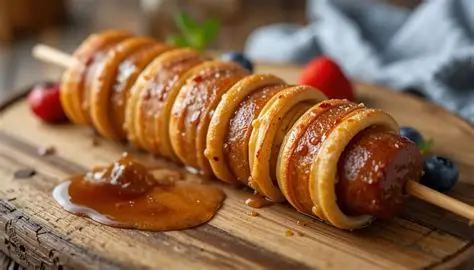
- Fruit and pancake skewers — threading small pancake rounds with berries onto a skewer turns breakfast into a playful, hands-on meal.
- Pancake shapes — using cookie cutters on cooled pancakes creates stars, hearts, or animal shapes that make gluten-free breakfast feel like a treat rather than a substitution.
- Hidden veggie boosts — stirring finely grated zucchini or carrot into the batter adds nutrients without noticeably changing the flavor or color once cooked.
- DIY topping bar — laying out small bowls of berries, chocolate chips, and syrup lets kids build their own plate, which often increases willingness to try the gluten-free version.
These small adjustments help make a gluten free pancake mix breakfast feel just as appealing as the conventional version, which matters most in households where only one family member needs to eat gluten-free.
Frequently Asked Questions About Gluten Free Pancake Mix
Is gluten free pancake mix healthier than regular pancake mix?
Not necessarily. A gluten free pancake mix removes wheat gluten, but it doesn’t automatically mean fewer calories, less sugar, or more nutrients. Whole-grain blends made with sorghum or oat flour tend to offer more fiber than standard rice-and-starch versions, but shoppers should always compare nutrition labels rather than assuming gluten-free equals healthier.
Can I use gluten free pancake mix to make waffles?
Yes, most gluten-free pancake mixes work equally well for waffles, though the batter may need slightly less liquid for a thicker consistency that holds up in a waffle iron. Always check the package instructions, since many brands include separate waffle directions alongside the pancake recipe.
Why does gluten free pancake mix need to rest before cooking?
Gluten-free flours and starches absorb liquid more slowly than wheat flour, so letting the batter sit for five to ten minutes allows it to fully hydrate. Skipping this step often results in a gritty or slightly chalky texture once the pancakes are cooked.
What is the best flour blend for gluten free pancake mix?
A well-balanced blend combining rice flour, tapioca starch, and potato starch tends to produce the fluffiest results, while blends with excessive xanthan gum can make the batter thick and difficult to pour. Many experienced gluten-free bakers favor “measure for measure” style all-purpose blends specifically formulated for a one-to-one wheat flour swap.
Can I make gluten free pancake mix ahead of time and store it?
Yes, combining the dry ingredients in advance and storing them in an airtight container is one of the most popular ways to keep a gluten free pancake mix on hand for quick breakfasts. Just add the wet ingredients fresh each time you’re ready to cook, since pre-mixed wet batter doesn’t store nearly as well as the dry blend.
Does gluten free pancake mix taste different from regular pancake mix?
Most well-formulated blends taste very close to traditional wheat pancakes, though some rice-flour-heavy mixes carry a subtle nuttiness, and whole-grain blends made with buckwheat or teff have a noticeably earthier flavor. Topping with syrup, fruit, or butter typically masks any remaining flavor difference.
Is gluten free pancake mix safe for people with celiac disease?
Only if the product is certified gluten-free and manufactured in a dedicated gluten-free facility, since cross-contamination during processing is a real risk with some brands. Always check for third-party certification on the label rather than relying on the word “gluten-free” alone.
Why do my gluten free pancakes turn out gummy?
Gumminess usually comes from overmixing the batter, using too much xanthan gum, or cooking at too high a temperature, which browns the outside before the inside finishes cooking. Reducing the added gum slightly and cooking over medium or medium-low heat typically solves the problem.
Can I freeze gluten free pancake mix batter?
It’s better to freeze the cooked pancakes rather than the raw batter, since gluten-free starches can separate and become watery after thawing, affecting the final texture. If you need to prep ahead, freeze the finished pancakes on a baking sheet, then transfer them to a freezer bag once solid, and reheat directly from frozen when ready to eat.
What’s the difference between gluten free and grain-free pancake mix?
A gluten free pancake mix avoids wheat, barley, and rye but can still contain grains like rice, oats, or corn, while a grain-free mix eliminates all grains entirely, relying instead on nut flours like almond or coconut. Grain-free options are naturally gluten-free as well, but not every gluten-free mix qualifies as grain-free, so the two terms aren’t interchangeable.
Final Thoughts on Choosing the Right Gluten Free Pancake Mix
Finding the right gluten free pancake mix comes down to matching the flour blend, texture, and price to your household’s specific needs, whether that means a certified allergen-free brand for a celiac family member or a whole-grain blend for extra fiber and flavor. With the right resting time, cooking temperature, and a few simple technique adjustments, gluten-free pancakes can turn out just as light and fluffy as the traditional version. Start with one of the top-rated store-bought brands above, or try the homemade recipe for a more affordable, customizable option, and don’t be afraid to experiment with mix-ins and toppings until you land on your family’s new favorite weekend breakfast.

George Eliot
Author63 Published Articles
George Eliot is a passionate recipe writer and home cooking enthusiast dedicated to sharing simple, flavorful, and reliable recipes for everyday meals. With a love for fresh ingredients and practical cooking techniques, George creates easy-to-follow recipes that help home cooks of all skill levels prepare delicious breakfasts, lunches, dinners, desserts, and snacks. In addition to developing recipes, George shares helpful cooking tips, ingredient guides, and nutrition insights to inspire readers to cook with confidence and enjoy homemade food. Every recipe is carefully crafted, tested, and written with the goal of making home cooking enjoyable, accessible, and rewarding for families and food lovers alike.
EducationPostgraduate Diploma in Nutrition.
Experience5 Years.
ExpertiseWrite about Recipes, Nutrition Facts