
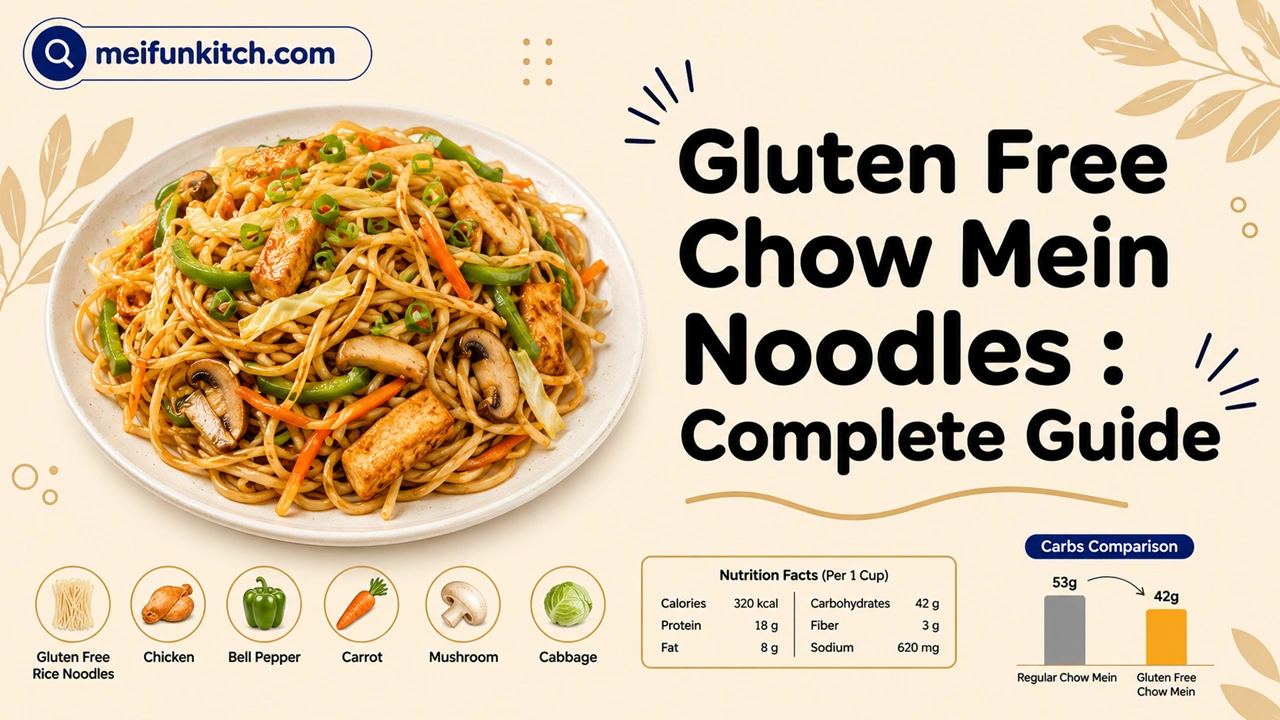
Finding the right gluten free chow mein noodles is easier than ever. Many brands now offer safe and delicious alternatives to traditional wheat noodles. Whether you have celiac disease, gluten sensitivity, or simply prefer gluten-free meals, you can still enjoy a flavorful bowl of chow mein. The best choice depends on the ingredients, texture, cooking method, and sauce you use. Therefore, learning how to select and prepare the right noodles helps you create restaurant-quality meals at home.
Traditional chow mein uses wheat-based noodles that contain gluten. However, gluten free noodles use ingredients such as rice, corn, millet, or brown rice flour. These noodles deliver satisfying texture while keeping your meal suitable for a gluten-free lifestyle. Moreover, many recipes taste almost identical to classic chow mein when paired with fresh vegetables, quality protein, and a well-balanced sauce.
This guide explains everything about gluten free noodles, from ingredients and cooking methods to nutrition and buying tips. You will also learn how to avoid common mistakes and choose products that meet your dietary needs. By the end, you will have the confidence to prepare healthy, flavorful chow mein for any occasion.
What Are Gluten Free Chow Mein Noodles?
Gluten free chow mein noodles are noodles made without wheat, barley, or rye. Instead, manufacturers use naturally gluten-free grains and starches. These alternatives create noodles suitable for people who cannot eat gluten while still delivering the chewy texture expected from chow mein.
Many gluten-free noodles work well in stir-fry recipes. Rice noodles remain the most popular choice because they absorb sauces well and cook quickly. Brown rice, corn, millet, and blended grain noodles also provide excellent results. As a result, home cooks can enjoy authentic flavors without sacrificing dietary needs.
Unlike instant wheat noodles, gluten-free varieties often require careful cooking. Nevertheless, following package directions helps prevent overcooking and keeps the noodles firm.
How They Differ From Traditional Chow Mein Noodles
The biggest difference lies in the ingredients. Traditional chow mein noodles contain wheat flour, which naturally includes gluten. In contrast, gluten free chow mein noodles use alternative grains and starches that eliminate gluten completely.
| Feature | Traditional Chow Mein Noodles | Gluten Free Chow Mein Noodles |
|---|---|---|
| Main Ingredient | Wheat Flour | Rice, Corn, Brown Rice, Millet |
| Contains Gluten | Yes | No |
| Suitable For Celiac Disease | No | Yes |
| Texture | Firm And Chewy | Tender Yet Slightly Chewy |
| Cooking Time | Short | Varies By Brand |
| Cross-Contamination Risk | Higher | Low When Certified |
Although the texture differs slightly, quality gluten-free noodles perform well in stir-fried dishes. Therefore, many people barely notice the difference after adding vegetables and sauce.
Why More People Choose Gluten-Free Alternatives
Many people choose gluten free chow mein noodles because of medical conditions. Individuals with celiac disease must avoid gluten completely. Others experience gluten sensitivity and feel better after removing wheat from their diet.
Besides medical reasons, some consumers prefer gluten-free meals because they enjoy lighter ingredients and greater variety. Food manufacturers have also improved product quality significantly. Consequently, modern gluten-free noodles offer better taste and texture than older versions.
Growing awareness has increased product availability as well. Today, supermarkets and online stores carry numerous gluten-free options, making healthy choices more convenient than ever.
Best Ingredients Used In Gluten Free Chow Mein Noodles
The quality of gluten free chow mein noodles depends largely on their ingredients. Different grains provide unique textures, flavors, and nutritional benefits. Therefore, understanding each option helps you choose noodles that suit your cooking style.
Many premium brands combine multiple gluten-free flours to improve flexibility and reduce breakage. Additionally, simple ingredient lists often indicate fewer unnecessary additives.
| Ingredient | Texture | Best Use | Nutritional Benefit |
|---|---|---|---|
| Rice Flour | Soft And Smooth | Classic Chow Mein | Easy To Digest |
| Brown Rice Flour | Firm | Hearty Stir-Fries | Higher Fiber |
| Corn Flour | Tender | Quick Meals | Naturally Gluten-Free |
| Millet Flour | Light | Homemade Recipes | Rich In Minerals |
| Buckwheat* | Chewy | Asian Dishes | Good Source Of Protein |
*Always choose certified gluten-free buckwheat products to avoid contamination.
Rice Noodles
Rice noodles remain the most common choice for gluten free chow mein noodles. They have a mild flavor that blends perfectly with vegetables, meats, and sauces.
These noodles cook quickly and absorb seasonings effectively. Furthermore, they stay light while creating satisfying meals. However, avoid overcooking because rice noodles soften rapidly.
Rice noodles work especially well with garlic, sesame oil, ginger, mushrooms, carrots, cabbage, and bean sprouts.
Corn-Based Noodles
Corn-based noodles provide another excellent option for gluten free chow mein noodles. They offer a slightly sweeter flavor and a pleasant bite after cooking.
Many families enjoy corn noodles because they hold their shape during stir-frying. Additionally, they pair well with spicy sauces and grilled chicken or shrimp.
Choose products with simple ingredient lists for the best taste and texture.
Brown Rice Noodles
Brown rice noodles contain more fiber than white rice varieties. Therefore, they create a more filling meal while supporting balanced nutrition.
Many cooks prefer gluten free chow mein noodles made from brown rice because they remain firm during stir-frying. They also absorb flavorful sauces without becoming mushy.
Brown rice noodles complement broccoli, peppers, snap peas, onions, and lean proteins beautifully.
Buckwheat And Millet Options
Buckwheat and millet create flavorful alternatives for gluten free chow mein noodles. Despite its name, buckwheat contains no wheat. However, always purchase certified gluten-free products because processing facilities sometimes handle wheat products.
Millet contributes a mild flavor and smooth texture. Meanwhile, buckwheat offers a slightly earthy taste that works well with savory sauces.
Some manufacturers blend these grains with rice flour for improved texture and cooking performance.
Ingredients To Avoid When Buying
Reading labels carefully protects you from hidden gluten. Some noodle products appear gluten-free but contain wheat-based additives or flavorings.
| Avoid These Ingredients | Reason |
|---|---|
| Wheat Flour | Contains Gluten |
| Barley Malt | Contains Gluten |
| Rye Flour | Contains Gluten |
| Regular Soy Sauce Powder | Often Contains Wheat |
| Modified Wheat Starch | Unsafe Unless Certified Gluten-Free |
| Unspecified Flavorings | May Hide Gluten Sources |
Whenever possible, choose gluten free chow mein noodles carrying a trusted gluten-free certification. This extra step reduces the risk of cross-contamination and provides greater peace of mind.
How To Choose The Best Gluten Free Chow Mein Noodles
Choosing the right gluten free chow mein noodles improves both flavor and texture. Every brand uses different ingredients and production methods. Therefore, reading labels and comparing products helps you find noodles that suit your needs. A quality product should cook evenly, absorb sauce well, and remain firm during stir-frying.
| Buying Factor | Why It Matters | Best Choice |
|---|---|---|
| Ingredients | Affects taste and texture | Simple, natural ingredients |
| Certification | Ensures gluten safety | Certified gluten-free |
| Cooking Time | Prevents overcooking | 6–10 minutes, depending on type |
| Texture | Improves stir-fry results | Firm and chewy |
| Packaging | Protects freshness | Sealed, undamaged package |
Read Ingredient Labels Carefully
Always read the ingredient list before buying gluten free chow mein noodles. Some products appear gluten-free but still contain wheat-based ingredients or hidden gluten sources.
Look for rice flour, brown rice flour, corn flour, millet, or tapioca starch. These ingredients are naturally gluten-free and commonly used in quality noodles.
Avoid products containing wheat flour, barley malt, rye, or regular soy sauce powder. Additionally, check allergy statements for possible cross-contact with wheat.
A short ingredient list usually indicates a cleaner product. Consequently, it becomes easier to understand exactly what you are eating.
Look For Certified Gluten-Free Products
Certification provides extra confidence when buying gluten free chow mein noodles. It confirms the product meets recognized gluten-free standards.
Many people with celiac disease rely on certified products because even small amounts of gluten can trigger symptoms. Therefore, certification becomes more important than attractive packaging.
| Certification Feature | Benefit |
|---|---|
| Third-Party Testing | Improves product reliability |
| Strict Manufacturing Standards | Reduces contamination risk |
| Clear Gluten-Free Label | Makes shopping easier |
| Regular Quality Checks | Maintains product consistency |
Certified products may cost slightly more. However, the added safety often makes them worth the price.
Check Texture And Cooking Time
Texture plays a major role in a successful chow mein recipe. The best gluten free chow mein noodles remain tender while keeping enough firmness for stir-frying.
Cooking time varies by ingredient. Rice noodles usually cook faster than brown rice or millet varieties. Therefore, follow the package instructions carefully.
After boiling, rinse the noodles briefly with cool water if the recipe recommends it. This step helps stop cooking and reduces sticking.
Never leave noodles in hot water longer than instructed. Otherwise, they may become soft and break apart during stir-frying.
Fresh Vs Dried Gluten-Free Noodles
Both fresh and dried gluten free noodles have advantages. Your choice depends on convenience and the type of recipe.
| Feature | Fresh Noodles | Dried Noodles |
|---|---|---|
| Shelf Life | Short | Long |
| Preparation | Minimal | Requires Boiling |
| Texture | Soft And Tender | Firm After Cooking |
| Availability | Limited | Widely Available |
| Storage | Refrigerated | Pantry Friendly |
Fresh noodles save time and offer a softer texture. Meanwhile, dried noodles provide better storage and greater availability.
How To Cook Gluten Free Chow Mein Noodles Perfectly
Cooking gluten free chow mein noodles correctly prevents broken strands and sticky clumps. Since gluten-free noodles lack wheat protein, they require gentler handling.
Prepare all vegetables and sauces before cooking the noodles. This approach allows you to move quickly once stir-frying begins.
| Cooking Step | Recommended Action |
|---|---|
| Boil Water | Use plenty of water |
| Cook Noodles | Follow package directions |
| Drain Carefully | Avoid squeezing noodles |
| Cool Slightly | Stop overcooking if needed |
| Stir-Fry Quickly | Mix with sauce immediately |
Preparing The Noodles Without Breaking Them
Handle gluten free chow mein noodles gently during cooking. Stir only when necessary because excessive stirring increases breakage.
Drain the noodles carefully using a colander. Then allow excess water to drain completely before adding them to the pan.
If the recipe requires soaking instead of boiling, follow the instructions closely. Different noodle types need different preparation methods.
Tips To Prevent Sticky Noodles
Sticky noodles can ruin the final dish. Fortunately, several simple techniques keep gluten free noodles separate.
| Tip | Benefit |
|---|---|
| Use Plenty Of Water | Reduces starch buildup |
| Avoid Overcooking | Maintains firm texture |
| Drain Immediately | Prevents continued cooking |
| Toss With A Small Amount Of Oil | Keeps noodles separated |
| Add Sauce At The End | Maintains ideal consistency |
These small adjustments create noodles that mix smoothly with vegetables and protein.
Common Cooking Mistakes To Avoid
Several mistakes affect the quality of gluten free chow mein noodles. Fortunately, they are easy to prevent.
| Common Mistake | Better Approach |
|---|---|
| Overcooking | Cook until just tender |
| Crowding The Pan | Cook in batches if needed |
| Adding Sauce Too Early | Add after stir-frying vegetables |
| Skipping Label Instructions | Follow brand-specific directions |
| Using Low Heat | Cook over medium-high heat |
Paying attention to these details produces noodles with better texture and flavor.
Best Oils And Seasonings For Chow Mein
The right oil and seasonings enhance gluten free chow mein noodles without overpowering the dish.
Neutral oils with high smoke points work best for stir-frying. Sesame oil adds flavor when used near the end of cooking.
| Oil Or Seasoning | Best Use |
|---|---|
| Avocado Oil | High-heat stir-frying |
| Peanut Oil | Traditional Asian cooking |
| Sesame Oil | Finishing flavor |
| Fresh Garlic | Savory aroma |
| Fresh Ginger | Warm, fresh taste |
| Black Pepper | Balanced seasoning |
| Gluten-Free Tamari | Rich umami flavor |
Combining fresh aromatics with a balanced sauce creates restaurant-quality results.
Best Vegetables And Proteins For Gluten Free Chow Mein Noodles
Fresh ingredients transform gluten free chow mein noodles into a complete meal. Combining colorful vegetables with quality protein creates better flavor, texture, and nutrition.
Choose vegetables that stay crisp during quick cooking. Likewise, use proteins that cook evenly and absorb sauce well.
| Ingredient Type | Recommended Choices |
|---|---|
| Leafy Vegetables | Bok choy, spinach |
| Crunchy Vegetables | Carrots, cabbage, bean sprouts |
| Colorful Vegetables | Bell peppers, broccoli, snap peas |
| Animal Protein | Chicken, shrimp, beef, eggs |
| Plant Protein | Tofu, tempeh, edamame |
Vegetables That Add Flavor And Crunch
Crunchy vegetables make gluten free chow mein noodles more enjoyable. They also add vitamins, minerals, and natural sweetness.
Cabbage, carrots, onions, mushrooms, bean sprouts, broccoli, and snap peas remain classic choices. Meanwhile, bok choy and baby corn provide authentic Asian flavor.
Slice vegetables evenly for quick cooking. As a result, everything finishes at the same time.
Chicken, Beef, Shrimp, And Tofu Choices
Lean proteins pair perfectly with gluten free chow mein noodles. Chicken breast stays tender, while shrimp cooks quickly and absorbs seasoning well.
Thinly sliced beef offers rich flavor. Meanwhile, firm tofu provides an excellent vegetarian alternative.
Cook protein before adding vegetables. Then combine everything with noodles and sauce during the final minutes.
Plant-Based Protein Options
Plant-based proteins create satisfying meals with gluten free noodles. They also increase fiber and provide important nutrients.
| Plant Protein | Benefits |
|---|---|
| Firm Tofu | High protein and versatile |
| Tempeh | Nutty flavor and extra fiber |
| Edamame | Rich in protein and vitamins |
| Chickpeas | Adds texture and nutrition |
These ingredients work well with both mild and spicy sauces.
Balancing Nutrition In Every Bowl
A balanced bowl of gluten free chow mein noodles includes noodles, vegetables, lean protein, and healthy fats.
| Food Group | Recommended Portion |
|---|---|
| Gluten-Free Noodles | Base of the meal |
| Vegetables | Largest portion |
| Lean Protein | Moderate serving |
| Healthy Fat | Small amount |
| Sauce | Use lightly for flavor |
This combination creates a satisfying meal that delivers flavor, texture, and balanced nutrition without becoming too heavy.
Best Gluten Free Chow Mein Sauce Recipes
A great sauce transforms simple gluten free noodles into a flavorful meal. Even the best noodles can taste bland without the right balance of savory, sweet, salty, and aromatic ingredients. Fortunately, you do not need complicated recipes. A few pantry staples create a restaurant-style sauce that coats every noodle evenly.
Traditional chow mein sauce often contains regular soy sauce, which usually includes wheat. Therefore, replacing it with gluten-free alternatives keeps the dish safe for people with celiac disease or gluten sensitivity. Additionally, using fresh garlic, ginger, and sesame oil builds deep flavor without adding unnecessary ingredients.
The best sauce should complement the noodles instead of overpowering them. It should also coat vegetables and proteins evenly while maintaining a glossy finish.
| Sauce Component | Purpose In The Recipe | Gluten-Free Option |
|---|---|---|
| Tamari | Adds umami flavor | Certified Gluten-Free Tamari |
| Coconut Aminos | Provides mild sweetness | Naturally Gluten-Free |
| Sesame Oil | Enhances aroma | Pure Sesame Oil |
| Garlic | Adds savory depth | Fresh Garlic |
| Ginger | Creates fresh flavor | Fresh Ginger |
| Cornstarch | Thickens sauce | Certified Gluten-Free Cornstarch |
| Rice Vinegar | Balances richness | Pure Rice Vinegar |
Classic Gluten-Free Chow Mein Sauce
A classic sauce brings out the natural flavor of gluten free chow mein noodles without masking fresh vegetables and protein. It offers the same rich taste people expect from traditional chow mein while remaining completely gluten-free.
A balanced sauce usually combines tamari, sesame oil, garlic, ginger, rice vinegar, and a small amount of brown sugar or honey. Cornstarch thickens the mixture, creating a glossy coating that clings to every noodle.
| Ingredient | Amount | Purpose |
|---|---|---|
| Gluten-Free Tamari | 3 Tablespoons | Main savory flavor |
| Sesame Oil | 1 Tablespoon | Adds aroma |
| Rice Vinegar | 1 Tablespoon | Balances flavors |
| Brown Sugar Or Honey | 1 Tablespoon | Adds mild sweetness |
| Minced Garlic | 2 Cloves | Creates depth |
| Fresh Ginger | 1 Teaspoon | Freshens the sauce |
| Cornstarch | 1 Teaspoon | Thickens the sauce |
| Water | 3 Tablespoons | Adjusts consistency |
Mix all ingredients until smooth. Then pour the sauce into the wok during the final minutes of cooking. Toss everything gently until the noodles absorb the sauce evenly.
Soy Sauce Alternatives
Many people believe soy sauce is essential for gluten free noodles. However, several alternatives provide similar flavor while remaining gluten-free.
Tamari remains the closest substitute because it delivers the familiar umami taste with little or no wheat. Coconut aminos create a sweeter and milder profile. Liquid aminos also work well in many recipes.
Each option changes the final flavor slightly. Therefore, experimenting helps you discover your favorite combination.
| Alternative | Flavor Profile | Best For |
|---|---|---|
| Gluten-Free Tamari | Rich And Savory | Traditional Chow Mein |
| Coconut Aminos | Sweet And Mild | Low-Sodium Meals |
| Liquid Aminos | Bold And Salty | Stir-Fries |
| Homemade Sauce Blend | Customizable | Family Recipes |
When purchasing any sauce, always check the label. Some products contain wheat despite appearing similar to gluten-free varieties.
Low-Sodium Sauce Option
Reducing sodium does not mean sacrificing flavor in gluten free chow mein noodles. A low-sodium sauce still tastes delicious when prepared with fresh ingredients.
Instead of relying only on salt, increase garlic, ginger, sesame oil, and rice vinegar. Fresh herbs also brighten the overall taste.
| Ingredient | Regular Version | Low-Sodium Version |
|---|---|---|
| Tamari | Regular | Low-Sodium Tamari |
| Garlic | 2 Cloves | 3 Cloves |
| Ginger | 1 Teaspoon | 2 Teaspoons |
| Rice Vinegar | 1 Tablespoon | 1½ Tablespoons |
| Sesame Oil | 1 Tablespoon | 1 Tablespoon |
Fresh vegetables naturally release moisture during cooking. Consequently, they add flavor while reducing the need for extra salt.
Sweet And Spicy Gluten-Free Sauce
People who enjoy bold flavors often choose a sweet and spicy sauce for gluten free chow mein noodles. This combination creates a satisfying balance between sweetness and gentle heat.
Honey or maple syrup adds natural sweetness, while gluten-free chili paste or crushed red pepper provides spice. Garlic and ginger complete the flavor profile.
| Ingredient | Purpose |
|---|---|
| Gluten-Free Tamari | Savory Base |
| Honey Or Maple Syrup | Sweetness |
| Gluten-Free Chili Paste | Heat |
| Sesame Oil | Rich Aroma |
| Garlic | Savory Flavor |
| Fresh Ginger | Fresh Finish |
| Cornstarch | Smooth Texture |
Adjust the spice level according to your preference. Adding chili gradually prevents the sauce from becoming too hot.
Gluten Free Chow Mein Noodles Nutrition And Health Benefits
Many people choose gluten free chow mein noodles for medical reasons. Others simply enjoy exploring healthier alternatives to traditional wheat noodles. Although gluten-free does not automatically mean healthier, selecting quality ingredients creates a balanced and nutritious meal.
Nutrition depends on the noodle type, vegetables, protein, cooking oil, and sauce. Brown rice noodles usually provide more fiber than white rice noodles. Meanwhile, adding colorful vegetables increases vitamin and mineral intake.
Preparing chow mein at home also gives you complete control over sodium, sugar, and fat levels. Therefore, homemade meals often become healthier than restaurant versions.
| Nutrient | Why It Matters |
|---|---|
| Carbohydrates | Provide energy |
| Protein | Supports muscles |
| Fiber | Promotes digestion |
| Healthy Fats | Improve satiety |
| Vitamins | Support overall health |
| Minerals | Aid body functions |
Calories And Macronutrients
The calorie content of gluten free chow mein noodles varies according to ingredients and serving size. Plain noodles contain mostly carbohydrates. However, vegetables and lean proteins improve nutritional balance.
The following table shows approximate values for one cooked serving before adding sauce.
| Nutrient | Approximate Amount |
|---|---|
| Calories | 190–240 |
| Carbohydrates | 40–48 g |
| Protein | 4–7 g |
| Fat | 1–3 g |
| Fiber | 2–4 g |
| Sugar | Less Than 2 g |
Adding chicken, shrimp, tofu, or beef increases protein. Meanwhile, vegetables contribute fiber, vitamins, and antioxidants with relatively few calories.
Are They Healthier Than Regular Chow Mein?
The answer depends on the ingredients and preparation method. Gluten free chow mein noodles help people avoid gluten, but they are not automatically lower in calories.
Brown rice and millet noodles often contain more fiber than refined wheat noodles. Additionally, homemade gluten-free chow mein usually contains less oil and fewer preservatives than takeout meals.
| Feature | Gluten-Free Version | Traditional Version |
|---|---|---|
| Contains Gluten | No | Yes |
| Suitable For Celiac Disease | Yes | No |
| Fiber | Often Higher With Whole Grains | Varies |
| Calories | Similar | Similar |
| Digestibility | Better For Gluten-Sensitive People | Suitable For Most People |
Healthy cooking methods make the biggest difference. Using fresh vegetables, lean protein, and moderate sauce creates a nutritious meal regardless of the noodle type.
Benefits For People With Celiac Disease
For people with celiac disease, gluten free chow mein noodles provide a safe alternative to traditional wheat noodles. Even small amounts of gluten can damage the small intestine in affected individuals.
Certified gluten-free noodles reduce the risk of accidental gluten exposure. However, cross-contamination remains an important concern.
When preparing meals, use separate utensils, clean cookware, and gluten-free sauces. These simple steps help maintain a safe kitchen.
| Benefit | Why It Matters |
|---|---|
| No Wheat Ingredients | Reduces gluten exposure |
| Supports Intestinal Health | Helps prevent immune reactions |
| Safer Meal Choice | Suitable for gluten-free diets |
| Greater Food Variety | Expands meal options |
Choosing trusted products and preparing food carefully allows people with celiac disease to enjoy chow mein confidently.
Who Should Eat Gluten-Free Noodles?
Not everyone needs gluten free chow mein noodles, but they benefit several groups of people.
Individuals diagnosed with celiac disease should always choose gluten-free products. People with non-celiac gluten sensitivity may also experience fewer digestive symptoms after avoiding gluten.
Others simply enjoy trying different grains and flavors. Rice, millet, and brown rice noodles add variety to weekly meal planning while pairing well with many vegetables and proteins.
| Group | Should Choose Gluten-Free? |
|---|---|
| People With Celiac Disease | Yes |
| People With Gluten Sensitivity | Usually Yes |
| People With Wheat Allergy | Often Yes, If Wheat-Free |
| General Consumers | Optional Based On Preference |
Ultimately, the healthiest choice depends on your dietary needs, ingredient quality, and overall eating habits. A well-balanced bowl of gluten free chow mein noodles can fit comfortably into many healthy lifestyles.
Gluten Free Chow Mein Noodles Vs Regular Chow Mein Noodles
Many people wonder whether gluten free chow mein noodles taste the same as traditional chow mein noodles. The answer depends on the ingredients, cooking method, and brand you choose. Modern gluten-free noodles have improved significantly. Consequently, many people find little difference after the noodles are stir-fried with fresh vegetables, protein, and a flavorful sauce.
Traditional chow mein noodles use wheat flour, which gives them a naturally elastic texture. Meanwhile, gluten-free noodles rely on rice flour, brown rice, corn, millet, or other gluten-free grains. Although the texture may vary slightly, proper cooking helps gluten-free noodles achieve a satisfying bite.
Choosing between the two also depends on dietary needs. People with celiac disease or gluten sensitivity should always select certified gluten free noodles. Others may choose either option based on personal preference.
Ingredient Comparison
The biggest difference between traditional and gluten free chow mein noodles is the flour used during production. Wheat flour contains gluten, while gluten-free varieties replace it with naturally gluten-free grains.
Many premium brands blend multiple flours to improve elasticity and reduce breakage. Therefore, ingredient quality plays a major role in the final texture.
| Feature | Gluten Free Chow Mein Noodles | Regular Chow Mein Noodles |
|---|---|---|
| Primary Flour | Rice, Brown Rice, Corn, Millet | Wheat Flour |
| Contains Gluten | No | Yes |
| Suitable For Celiac Disease | Yes | No |
| Common Additives | Tapioca, Potato Starch | Vital Wheat Gluten |
| Protein Content | Moderate | Slightly Higher |
| Fiber | Higher In Whole-Grain Versions | Depends On Wheat Type |
Premium gluten-free noodles often contain fewer artificial ingredients than inexpensive instant noodles. Therefore, reading labels remains an important shopping habit.
Taste And Texture Differences
Many first-time buyers worry that gluten free chow mein noodles will feel soft or fall apart. Fortunately, modern products have improved considerably.
Rice noodles deliver a light and smooth texture. Brown rice noodles provide a firmer bite. Corn noodles offer slight sweetness, while millet adds a delicate flavor.
Traditional wheat noodles remain naturally springy because gluten creates elasticity. However, proper cooking allows gluten-free noodles to achieve a similarly enjoyable texture.
| Texture Feature | Gluten-Free Version | Traditional Version |
|---|---|---|
| Chewiness | Medium To High | High |
| Elasticity | Moderate | Excellent |
| Sauce Absorption | Excellent | Very Good |
| Stir-Fry Performance | Excellent When Properly Cooked | Excellent |
| Flavor | Mild | Slight Wheat Flavor |
Many people cannot distinguish between the two after vegetables, garlic, ginger, and sauce are added.
Nutrition Comparison Table
Nutrition varies by recipe. However, comparing plain cooked noodles helps highlight the differences.
| Nutrient (Per Serving) | Gluten Free Chow Mein Noodles | Regular Chow Mein Noodles |
|---|---|---|
| Calories | 190–240 | 210–250 |
| Carbohydrates | 40–48 g | 42–50 g |
| Protein | 4–7 g | 7–9 g |
| Fat | 1–3 g | 1–3 g |
| Fiber | 2–4 g | 2–3 g |
| Gluten | None | Present |
Protein levels are usually higher in wheat noodles. However, adding chicken, shrimp, tofu, or eggs quickly balances the difference.
Price And Availability
Years ago, finding gluten free chow mein noodles was difficult. Today, supermarkets, health food stores, and online retailers carry many options.
Although gluten-free noodles usually cost more than wheat noodles, prices continue to become more competitive.
| Shopping Factor | Gluten-Free Noodles | Regular Noodles |
|---|---|---|
| Average Price | Higher | Lower |
| Availability | Widely Available | Very Common |
| Brand Variety | Growing Rapidly | Extensive |
| Organic Options | Common | Available |
| Online Selection | Excellent | Excellent |
Buying larger packages often reduces the cost per serving.
Which Option Is Better For Your Diet?
The best choice depends on your health goals.
| Diet Goal | Recommended Choice |
|---|---|
| Celiac Disease | Gluten Free Chow Mein Noodles |
| Gluten Sensitivity | Gluten Free Chow Mein Noodles |
| Higher Protein Preference | Regular Wheat Noodles |
| Whole-Grain Diet | Brown Rice Gluten-Free Noodles |
| Family Meals | Either Option |
There is no universal winner. Instead, choose the noodles that match your nutritional needs and taste preferences.
Popular Brands Of Gluten Free Chow Mein Noodles
Finding high-quality gluten free chow mein noodles has become much easier. Several trusted brands now produce noodles specifically for stir-frying. Some use rice flour, while others blend multiple gluten-free grains for improved texture.
Although brand preference varies, certified gluten-free products provide the safest choice for people avoiding gluten.
What To Look For In Trusted Brands
A trusted brand offers more than attractive packaging. Quality manufacturers focus on safe production, consistent texture, and simple ingredients.
Before purchasing gluten free noodles, evaluate the following factors.
| Buying Feature | Why It Matters |
|---|---|
| Certified Gluten-Free | Provides additional safety |
| Short Ingredient List | Usually indicates fewer additives |
| Good Customer Reviews | Reflects consistent quality |
| Strong Packaging | Maintains freshness |
| Clear Cooking Instructions | Improves results |
Brands that specialize in gluten-free foods often maintain stricter manufacturing standards.
Popular Gluten-Free Noodle Types
Different brands produce different styles of gluten free noodles. Choosing the right one depends on the recipe you plan to prepare.
| Noodle Type | Best For | Texture |
|---|---|---|
| Rice Noodles | Classic Chow Mein | Soft And Smooth |
| Brown Rice Noodles | Healthy Meals | Firm |
| Corn Noodles | Quick Stir-Fries | Tender |
| Millet Blend Noodles | Homemade Recipes | Light |
| Rice And Quinoa Blend | Balanced Nutrition | Chewy |
Trying several varieties helps you discover your favorite texture.
Where To Buy Them
Today, gluten free chow mein noodles are available through many shopping channels.
| Shopping Location | Advantages |
|---|---|
| Large Supermarkets | Convenient Selection |
| Health Food Stores | Specialty Products |
| Asian Grocery Stores | Authentic Ingredients |
| Warehouse Clubs | Bulk Savings |
| Online Retailers | Largest Variety |
Local stores often stock the most popular products, while online shops usually carry specialty brands.
Online Vs Local Grocery Stores
Both shopping methods offer benefits.
| Feature | Online Shopping | Local Grocery Store |
|---|---|---|
| Product Variety | Excellent | Moderate |
| Price Comparison | Easy | Limited |
| Immediate Purchase | No | Yes |
| Customer Reviews | Available | Unavailable |
| Bulk Buying | Simple | Limited |
Many shoppers compare prices online before purchasing locally.
How To Store Gluten Free Chow Mein Noodles
Proper storage helps gluten free chow mein noodles maintain their texture and freshness.
Keep unopened dried noodles in a cool, dry pantry away from direct sunlight. Always reseal opened packages tightly to prevent moisture exposure.
Fresh gluten-free noodles require refrigeration and should be used before their expiration date.
| Storage Type | Recommended Time |
|---|---|
| Unopened Dried Noodles | Several Months |
| Opened Dried Noodles | Use Within A Few Weeks |
| Fresh Refrigerated Noodles | Follow Package Date |
| Frozen Cooked Noodles | Up To Two Months |
Allow frozen noodles to thaw naturally before reheating.
How Long Do Cooked Gluten Free Chow Mein Noodles Last?
Cooked gluten free chow mein noodles can remain fresh when stored correctly.
| Storage Method | Recommended Time |
|---|---|
| Room Temperature | Up To 2 Hours |
| Refrigerator | 3–4 Days |
| Freezer | Up To 2 Months |
Store leftovers in airtight containers to preserve moisture and reduce odor absorption.
Can You Meal Prep Gluten Free Chow Mein Noodles?
Absolutely. Gluten free chow mein noodles work well for weekly meal preparation.
Cook the noodles until slightly firm because they soften further during reheating. Store the sauce separately whenever possible. This method prevents the noodles from becoming soggy.
Prepared vegetables, cooked chicken, shrimp, or tofu can also be portioned into containers for quick lunches throughout the week.
With proper planning, meal-prepped gluten free noodles stay flavorful, convenient, and satisfying while supporting a healthy gluten-free lifestyle.
Common Mistakes To Avoid With Gluten Free Chow Mein Noodles
Cooking gluten free chow mein noodles is simple once you understand their unique characteristics. However, many people treat them exactly like wheat noodles. As a result, they end up with broken, sticky, or mushy noodles.
Fortunately, these mistakes are easy to avoid. A few small adjustments can improve the texture, flavor, and appearance of every meal. Whether you are preparing dinner for your family or making meal prep for the week, following the right techniques produces consistently delicious results.
| Common Mistake | Result | Better Solution |
|---|---|---|
| Overcooking The Noodles | Soft And Mushy Texture | Cook Until Just Tender |
| Using Regular Soy Sauce | Adds Gluten | Use Certified Gluten-Free Tamari |
| Skipping Ingredient Labels | Possible Gluten Exposure | Read Every Label Carefully |
| Adding Too Much Sauce | Watery Stir-Fry | Use Sauce Gradually |
| Cooking Over Low Heat | Steamed Instead Of Fried | Use Medium-High Heat |
| Overcrowding The Pan | Uneven Cooking | Cook In Small Batches |
Using The Wrong Sauce
One of the biggest mistakes when preparing gluten free chow mein noodles is using traditional soy sauce. Many people assume soy sauce is naturally gluten-free. However, most regular soy sauces contain wheat.
Instead, choose certified gluten-free tamari, coconut aminos, or another verified gluten-free seasoning. Always read labels because recipes and ingredients can change.
Even sauces labeled "Asian stir-fry sauce" may contain wheat flour or barley. Therefore, checking every ingredient protects people with gluten intolerance.
| Sauce Type | Gluten-Free? | Recommended |
|---|---|---|
| Regular Soy Sauce | No | No |
| Gluten-Free Tamari | Yes | Excellent |
| Coconut Aminos | Yes | Excellent |
| Liquid Aminos | Usually Yes | Check Label |
| Homemade Sauce | Yes | Excellent Control |
Making your own sauce also allows you to control sodium, sweetness, and spice levels.
Overcooking The Noodles
Unlike wheat noodles, gluten free chow mein noodles continue softening after draining. Therefore, even one extra minute can affect the final texture.
Cook the noodles only until they become tender. Then drain them immediately and begin stir-frying.
If the noodles will cook again in the wok, remove them slightly before reaching full tenderness. This approach prevents overcooking during the final stir-fry.
| Cooking Stage | Recommended Action |
|---|---|
| Boiling | Cook According To Package Instructions |
| Draining | Drain Immediately |
| Cooling | Rinse Only If Recommended |
| Stir-Frying | Cook Briefly With Sauce |
Perfectly cooked noodles remain firm enough to absorb sauce without falling apart.
Skipping Label Verification
Many foods appear gluten-free but still contain hidden gluten. Consequently, reading labels becomes one of the most important habits when buying gluten free noodles.
Ingredients can change without notice. Therefore, checking every package protects you from accidental gluten exposure.
Look beyond the front label and read the complete ingredient list. Also, check allergy warnings for shared manufacturing facilities.
| Check Before Buying | Reason |
|---|---|
| Ingredient List | Identifies Hidden Gluten |
| Certification Logo | Confirms Gluten-Free Testing |
| Allergen Statement | Shows Possible Cross-Contact |
| Expiration Date | Ensures Freshness |
| Storage Instructions | Maintains Product Quality |
Never assume a product remains gluten-free simply because you purchased it before.
Improper Storage Tips
Improper storage shortens the shelf life of gluten free noodles and affects their texture.
Keep dried noodles in a cool, dry location away from moisture. After opening, reseal the package tightly or transfer the noodles into an airtight container.
Fresh noodles require refrigeration and should be used before the expiration date.
| Storage Method | Best Practice |
|---|---|
| Pantry | Cool And Dry |
| Opened Package | Use Airtight Container |
| Fresh Noodles | Keep Refrigerated |
| Cooked Noodles | Store In Airtight Container |
| Frozen Noodles | Freeze In Meal Portions |
Proper storage keeps noodles fresh and reduces food waste.
Additional Tips For Better Results
Small improvements often make the biggest difference when preparing gluten free chow mein noodles.
| Helpful Tip | Benefit |
|---|---|
| Prepare Ingredients First | Faster Stir-Frying |
| Use A Large Wok | Even Cooking |
| Slice Vegetables Evenly | Uniform Texture |
| Cook Protein Separately | Better Browning |
| Add Sauce Last | Prevents Soggy Noodles |
| Serve Immediately | Best Texture |
Planning ahead helps every ingredient cook at the right pace.
FAQs
Are Gluten Free Chow Mein Noodles Safe For People With Celiac Disease?
Yes. Certified gluten free noodles are safe for people with celiac disease. However, they must remain free from cross-contamination during manufacturing and cooking. Always choose certified products and use clean cookware.
Can I Make Gluten Free Chow Mein Noodles At Home?
Yes. Homemade gluten free chow mein noodles can be prepared using rice flour, tapioca starch, potato starch, or other gluten-free flour blends. Homemade noodles allow complete control over ingredients and freshness.
What Is The Best Flour For Homemade Gluten Free Chow Mein Noodles?
Rice flour remains one of the best choices for gluten free noodles because it creates a mild flavor and smooth texture. Many recipes also combine brown rice flour, tapioca starch, and potato starch for better flexibility.
| Gluten-Free Flour | Main Benefit |
|---|---|
| Rice Flour | Smooth Texture |
| Brown Rice Flour | Higher Fiber |
| Tapioca Starch | Improves Elasticity |
| Potato Starch | Creates Softness |
| Millet Flour | Adds Mild Flavor |
Which Sauce Is Naturally Gluten-Free For Chow Mein?
Gluten-free tamari and coconut aminos are among the best sauces for gluten free chow mein noodles. Homemade sauces using certified ingredients also work well.
Always verify labels because not every tamari product is certified gluten-free.
Can I Freeze Cooked Gluten Free Chow Mein Noodles?
Yes. Cooked gluten free chow mein noodles freeze well for up to two months when stored in airtight containers.
For the best texture, thaw them overnight in the refrigerator before reheating.
Why Do Gluten Free Chow Mein Noodles Break Easily?
Gluten free chow mein noodles may break if they are overcooked or stirred too aggressively. Following the recommended cooking time and handling them gently helps maintain their structure.
Are Rice Noodles The Same As Gluten Free Chow Mein Noodles?
Not always. Rice noodles are commonly used as gluten free noodles, but other varieties include brown rice, corn, millet, quinoa, and blended gluten-free grains.
How Can I Prevent Gluten Cross-Contamination?
Preventing cross-contamination is essential when preparing gluten free chow mein noodles.
| Prevention Method | Benefit |
|---|---|
| Use Separate Utensils | Avoids Gluten Transfer |
| Clean Cooking Surfaces | Reduces Contamination |
| Use Separate Strainers | Prevents Contact With Wheat Pasta |
| Store Gluten-Free Foods Separately | Improves Kitchen Safety |
| Read Every Label | Avoids Hidden Gluten |
These simple habits help maintain a completely gluten-free meal.
Final Thoughts
Gluten free chow mein noodles allow everyone to enjoy a classic stir-fry without using wheat-based noodles. Modern gluten-free options offer excellent texture, satisfying flavor, and impressive versatility. Whether you choose rice, brown rice, corn, or millet noodles, selecting quality ingredients makes every meal more enjoyable.
Reading labels carefully, choosing certified gluten-free products, and following proper cooking techniques greatly improve your results. Fresh vegetables, lean proteins, and a balanced homemade sauce further enhance both nutrition and flavor.
With the right ingredients and preparation methods, gluten free noodles can become a regular part of your weekly meal plan. They suit family dinners, meal prep, and special occasions while supporting a safe gluten-free lifestyle.

Alex Balducci
Author43 Published Articles
Alex Balducci is a nutritionist, food writer, and health enthusiast dedicated to helping readers make informed dietary choices through reliable, easy-to-understand content. With a passion for nutrition, healthy eating, and balanced lifestyles, Alex creates well-researched articles covering nutrition facts, wholesome recipes, meal planning, and ingredient guides
EducationB.Sc. in Nutrition and Dietetics.
Experience10 Years.
ExpertiseWrites About Nutrition Facts