
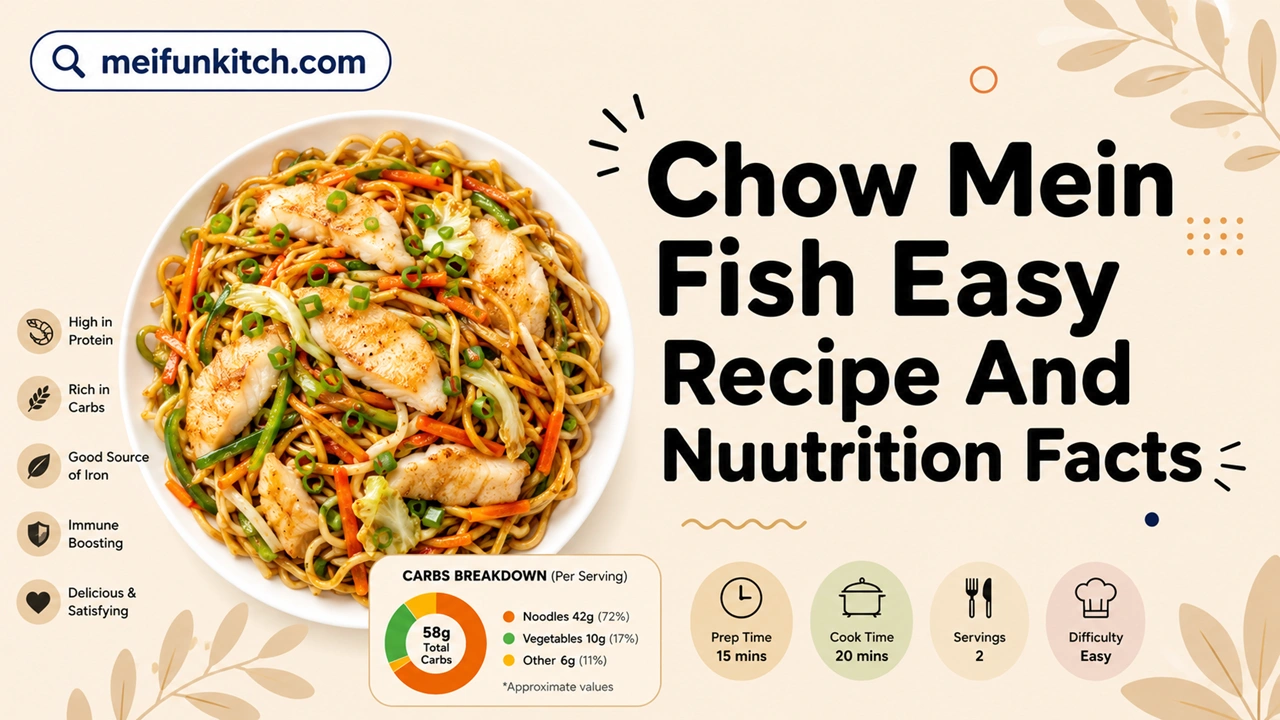
If you want a quick, flavorful, and satisfying seafood noodle dish, chow mein fish is an excellent choice. It combines tender fish, stir-fried noodles, crisp vegetables, and savory sauces into one delicious meal. The recipe suits busy weeknights because it cooks in less than 30 minutes. Moreover, you can customize it with different fish, vegetables, and seasonings. Whether you enjoy mild flavors or spicy dishes, this recipe offers something for everyone.
Many people know chicken or beef chow mein. However, chow mein fish provides a lighter and healthier alternative without sacrificing flavor. Fresh fish supplies lean protein, omega-3 fatty acids, and essential vitamins. Meanwhile, vegetables add fiber, color, and natural sweetness. Homemade chow mein also lets you control the ingredients and sodium level. Therefore, it becomes a nutritious meal that tastes as good as restaurant versions.
This complete guide explains everything about chow mein fish, from choosing the best fish to preparing flavorful sauces and perfectly cooked noodles. You will also discover healthy variations, common mistakes, expert cooking tips, storage advice, and answers to frequently asked questions. By the end, you will confidently prepare restaurant-quality chow mein fish at home.
What Is Chow Mein Fish and Why Is It So Popular?
Chow mein fish is a seafood version of the classic Chinese stir-fried noodle dish. Instead of chicken or beef, it features tender pieces of fish cooked with vegetables, noodles, and a savory sauce. The combination creates a meal that is both filling and refreshing. As a result, it has become popular in homes and restaurants around the world.
Unlike many seafood recipes, chow mein cooks quickly and uses simple ingredients. Therefore, it fits perfectly into busy lifestyles. The dish also adapts easily to different flavors, making it suitable for every family member.
What Makes Chow Mein Fish Different from Traditional Chow Mein?
Traditional chow mein usually contains chicken, beef, pork, or shrimp. In contrast, chow mein fish uses flaky fish fillets as the main protein. Fish cooks faster than most meats and absorbs sauces beautifully. Consequently, every bite becomes tender and flavorful.
The cooking method remains similar. Fresh vegetables, noodles, and sauce are stir-fried together over high heat. However, fish requires gentler handling because it flakes easily.
| Feature | Traditional Chow Mein | Chow Mein Fish |
| Main Protein | Chicken, beef, or pork | Fresh fish |
| Cooking Time | 20–30 minutes | 15–25 minutes |
| Texture | Firm meat | Tender and flaky |
| Flavor | Rich and savory | Light and fresh |
| Nutrition | Higher fat options available | Lean protein and omega-3 |
Why Home Cooks Love Chow Mein Fish
Many home cooks choose chow mein fish because it delivers restaurant-quality flavor without complicated techniques. Fresh ingredients create vibrant colors and balanced taste. Additionally, the recipe requires only one wok or large skillet.
The dish also offers excellent flexibility. You can add seasonal vegetables, adjust the spice level, or use your favorite sauce. Consequently, every meal feels unique while remaining easy to prepare.
| Benefit | Why It Matters |
| Quick preparation | Perfect for busy evenings |
| Healthy ingredients | High protein and nutritious vegetables |
| Easy customization | Works with many vegetables and sauces |
| Budget friendly | Uses affordable pantry ingredients |
| Balanced meal | Protein, vegetables, and noodles together |
Why Fish Works So Well in Chow Mein
Fish has a delicate flavor that complements garlic, ginger, soy sauce, and sesame oil. Therefore, chow mein fish develops rich taste without becoming heavy. White fish varieties also cook within minutes, making them ideal for stir-frying.
Fish contains important nutrients that support overall health. It provides protein for muscle growth and omega-3 fatty acids for heart health. Therefore, replacing red meat with fish creates a lighter meal without reducing satisfaction.
| Nutrient | Benefit |
| Protein | Supports muscle maintenance |
| Omega-3 fatty acids | Promotes heart health |
| Vitamin D | Supports bone health |
| Vitamin B12 | Helps energy production |
| Selenium | Supports immune function |
When to Serve Chow Mein Fish
One reason chow mein fish remains popular is its versatility. It works equally well for quick lunches, family dinners, or casual gatherings. Since it cooks quickly, it also makes an excellent last-minute meal.
| Occasion | Why It Fits |
| Weeknight dinner | Fast preparation |
| Family meal | Easy to customize |
| Weekend lunch | Light but filling |
| Dinner party | Restaurant-style presentation |
| Meal prep | Simple to store and reheat |
How to Make Chow Mein Fish at Home
Preparing chow mein fish at home is simple when you use fresh ingredients and follow the correct cooking order. The noodles should stay firm, the fish should remain flaky, and the vegetables should keep their crunch. Small details make a big difference. As a result, your homemade meal can taste just like one from a good Chinese restaurant.
Essential Ingredients for a Perfect Dish
Every ingredient contributes to the final flavor. Therefore, choose fresh produce and quality sauces whenever possible. Fresh fish also creates a cleaner taste and a better texture.
| Ingredient | Purpose | Best Choice | Substitute |
|---|---|---|---|
| White fish fillets | Main protein | Cod or tilapia | Halibut |
| Chow mein noodles | Base ingredient | Fresh noodles | Dried egg noodles |
| Soy sauce | Savory flavor | Low-sodium soy sauce | Tamari |
| Oyster sauce | Adds depth | Traditional oyster sauce | Mushroom sauce |
| Sesame oil | Nutty aroma | Pure sesame oil | Light olive oil |
| Garlic | Rich flavor | Fresh cloves | Garlic paste |
| Fresh ginger | Warm aroma | Grated ginger | Ground ginger |
| Carrots | Crunch | Fresh carrots | Snow peas |
| Bell peppers | Color and sweetness | Red or yellow peppers | Green peppers |
| Cabbage | Texture | Green cabbage | Napa cabbage |
| Green onions | Fresh garnish | Spring onions | Chives |
Fresh ingredients help chow mein fish develop balanced flavors without relying on heavy seasoning.
Choosing the Right Fish
Not every fish works well for stir-frying. Firm white fish holds its shape during cooking and absorbs sauces without falling apart.
| Fish Type | Texture | Best For |
|---|---|---|
| Cod | Firm and flaky | Classic stir-fry |
| Tilapia | Tender | Quick meals |
| Halibut | Meaty | Restaurant-style recipes |
| Sea bass | Soft and rich | Premium dishes |
| Snapper | Firm | Spicy sauces |
Avoid fish with very delicate flesh because it may break apart while stirring.
Preparing the Fish Before Cooking
Rinse the fillets under cold water and pat them dry with paper towels. Removing excess moisture helps the fish brown instead of steaming.
Cut the fillets into bite-sized pieces of equal size. Uniform pieces cook evenly and look better in the finished dish.
Season lightly with salt, black pepper, and a little soy sauce. Let the fish rest for about ten minutes before cooking.
Cooking the Noodles Properly
Perfect noodles should remain slightly chewy. Overcooked noodles become soft and stick together during stir-frying.
Cook the noodles according to the package instructions. Then drain them immediately and rinse briefly with cool water. Toss them with a small amount of oil to prevent sticking.
| Cooking Step | Helpful Tip |
|---|---|
| Boil water first | Ensures even cooking |
| Cook until firm | Avoid mushy noodles |
| Drain immediately | Stops overcooking |
| Lightly oil noodles | Prevents sticking |
Making a Flavorful Stir-Fry Sauce
The sauce ties every ingredient together. A balanced sauce should taste savory with a slight sweetness and mild richness.
Mix the ingredients before heating the wok. This approach saves time because stir-frying happens quickly.
| Sauce Ingredient | Purpose |
|---|---|
| Soy sauce | Saltiness and umami |
| Oyster sauce | Rich depth |
| Sesame oil | Nutty finish |
| Chicken stock | Moisture and flavor |
| Cornstarch | Light thickening |
| White pepper | Gentle spice |
Taste the sauce before adding it to the pan. Small adjustments often improve the final result.
Cooking Everything in the Right Order
Heat the wok until very hot. Add a little oil before cooking the fish. Cook it for only a few minutes until lightly golden. Transfer it to a plate.
Next, stir-fry the vegetables until they remain crisp. Add the noodles and prepared sauce. Finally, return the fish to the wok and toss everything gently.
Cooking the fish separately prevents it from breaking apart. It also helps every ingredient keep its ideal texture.
| Cooking Stage | Estimated Time |
|---|---|
| Prepare ingredients | 10 minutes |
| Cook fish | 4 minutes |
| Stir-fry vegetables | 4 minutes |
| Cook noodles | 3 minutes |
| Combine everything | 3 minutes |
| Total Time | Approximately 25 minutes |
Simple Tips for Better Results
| Tip | Benefit |
|---|---|
| Use high heat | Creates authentic wok flavor |
| Cook fish separately | Keeps pieces intact |
| Slice vegetables evenly | Promotes even cooking |
| Prepare sauce first | Speeds up cooking |
| Avoid overcrowding the wok | Improves browning |
| Serve immediately | Maintains the best texture |
Following these techniques helps chow mein fish develop rich flavor, tender fish, crisp vegetables, and perfectly cooked noodles without unnecessary effort.
Essential Ingredients for the Best Chow Mein Fish
The quality of your ingredients determines the final flavor. Fresh seafood, crisp vegetables, and balanced sauces create a delicious meal with very little effort. Therefore, choosing the right ingredients matters as much as the cooking method. Even simple upgrades can make your chow mein fish taste fresher and more authentic.
Best Noodles for Chow Mein Fish
The noodles form the foundation of the dish. They should remain slightly chewy after stir-frying. Fresh chow mein noodles produce the best texture. However, dried egg noodles also work well when cooked correctly.
Avoid overcooking because soft noodles absorb too much sauce and lose their texture.
| Noodle Type | Texture | Best For | Cooking Time |
|---|---|---|---|
| Fresh chow mein noodles | Soft and chewy | Authentic recipes | 2–3 minutes |
| Egg noodles | Firm | Homemade meals | 4–5 minutes |
| Hong Kong noodles | Crispy after frying | Crispy chow mein | 3–4 minutes |
| Whole wheat noodles | Slightly chewy | Healthier option | 5 minutes |
| Rice noodles | Light | Gluten-free meals | 3–4 minutes |
Fresh Vegetables That Add Flavor and Crunch
Fresh vegetables balance the rich sauce and tender fish. They also add natural sweetness, bright colors, and valuable nutrients.
Choose vegetables that cook quickly. This method keeps them crisp and fresh.
| Vegetable | Flavor | Cooking Time | Benefit |
|---|---|---|---|
| Cabbage | Mild | 2 minutes | Adds crunch |
| Carrots | Sweet | 3 minutes | Rich in vitamin A |
| Bell peppers | Fresh | 2 minutes | Adds color |
| Bean sprouts | Light | 1 minute | Crisp texture |
| Snow peas | Sweet | 2 minutes | Extra freshness |
| Broccoli | Earthy | 3 minutes | High in fiber |
| Green onions | Mild | 30 seconds | Fresh garnish |
| Mushrooms | Savory | 3 minutes | Deep umami flavor |
Fresh vegetables make chow mein fish more colorful and satisfying while improving its nutritional value.
Sauces That Create Authentic Flavor
A balanced sauce gives every bite a rich and savory taste. Each ingredient plays an important role. Together, they create the signature flavor found in restaurant-style chow mein.
| Sauce | Purpose | Recommended Amount |
|---|---|---|
| Soy sauce | Adds umami | 2 tablespoons |
| Oyster sauce | Creates richness | 1 tablespoon |
| Sesame oil | Nutty aroma | 1 teaspoon |
| Chicken stock | Light broth | ¼ cup |
| Cornstarch slurry | Thickens sauce | 1 tablespoon |
| White pepper | Gentle heat | ½ teaspoon |
Mix the sauce before heating the wok. This simple step helps everything cook smoothly.
Essential Aromatics for Better Taste
Garlic and ginger provide the first layer of flavor. As they cook, they release a rich aroma that spreads through the entire dish.
Fresh aromatics always produce better results than dried powders. Therefore, grate or finely chop them just before cooking.
| Aromatic | Flavor Contribution |
|---|---|
| Fresh garlic | Bold and savory |
| Fresh ginger | Warm and fragrant |
| Green onions | Fresh finish |
| White onion | Natural sweetness |
| Sesame oil | Roasted aroma |
Optional Ingredients That Improve Every Bowl
Simple additions can give your meal extra flavor and texture without changing the original recipe.
| Optional Ingredient | Why Add It |
|---|---|
| Sesame seeds | Light crunch |
| Fresh cilantro | Refreshing finish |
| Crushed peanuts | Extra texture |
| Red chili flakes | Spicy flavor |
| Lime wedges | Bright acidity |
| Baby corn | Sweet crunch |
| Water chestnuts | Crisp texture |
These ingredients allow you to customize chow mein fish according to your family's preferences.
Ingredient Substitutions for Different Diets
Sometimes you may not have every ingredient available. Fortunately, several substitutions still produce excellent results.
| Original Ingredient | Alternative |
|---|---|
| Soy sauce | Tamari |
| Egg noodles | Rice noodles |
| Oyster sauce | Mushroom sauce |
| Cod | Tilapia |
| Chicken stock | Vegetable stock |
| Sesame oil | Avocado oil |
These substitutions make the recipe suitable for different dietary needs while preserving its delicious flavor.
How to Buy the Freshest Fish
Fresh fish should smell clean instead of overly fishy. The flesh should feel firm and spring back when touched. Bright eyes and shiny skin also indicate freshness if buying whole fish.
If you purchase frozen fillets, thaw them slowly in the refrigerator. Then dry them thoroughly before cooking. Removing excess moisture helps the fish brown beautifully during stir-frying.
Choosing quality ingredients from the beginning ensures your chow mein fish delivers excellent flavor, attractive presentation, and the perfect texture every time.
Easy Chow Mein Fish Recipes for Every Occasion
One of the best things about chow mein fish is its versatility. You can prepare it with different sauces, vegetables, and seasonings without changing the basic cooking method. As a result, chow mein fish never becomes boring. Whether you need a quick lunch or a special family dinner, there is a recipe that fits the occasion.
Classic Chow Mein Fish Recipe
The classic version highlights fresh fish, stir-fried noodles, and a balanced savory sauce. It uses everyday ingredients while delivering restaurant-quality flavor. Therefore, this recipe is an excellent starting point if you are making chow mein fish for the first time.
Cook the fish separately before adding it back to the noodles. This method keeps the fish tender and prevents it from breaking apart. A balanced soy-based sauce gives chow mein fish its signature flavor without overpowering the seafood.
| Ingredient | Amount | Purpose |
|---|---|---|
| White fish fillets | 500 g | Main protein |
| Chow mein noodles | 300 g | Base ingredient |
| Soy sauce | 2 tbsp | Savory flavor |
| Oyster sauce | 1 tbsp | Adds richness |
| Garlic | 4 cloves | Aroma |
| Fresh ginger | 1 tbsp | Fresh flavor |
| Mixed vegetables | 2 cups | Texture and nutrition |
| Sesame oil | 1 tsp | Nutty finish |
Spicy Chow Mein Fish Recipe
If you enjoy bold flavors, spicy chow mein fish is an excellent choice. Chili paste, garlic, and fresh ginger create a rich sauce with moderate heat. Meanwhile, the mild flavor of the fish balances the spices perfectly.
Adjust the spice level according to your preference. A small amount of chili oil creates gentle warmth. Additional chili flakes produce a much hotter version of chow mein fish.
| Spice Level | Recommended Ingredients |
|---|---|
| Mild | Black pepper and paprika |
| Medium | Sriracha sauce |
| Hot | Chili garlic sauce |
| Extra Hot | Fresh red chilies |
Garlic Butter Chow Mein Fish
Garlic butter adds a rich and comforting flavor to chow mein fish. Melt butter with fresh garlic before adding the cooked fish. The butter coats every noodle while enhancing the natural sweetness of the seafood.
Fresh parsley and lemon juice brighten the finished dish. Consequently, the flavors remain balanced instead of becoming too rich.
| Ingredient | Benefit |
|---|---|
| Butter | Creamy richness |
| Garlic | Bold aroma |
| Lemon juice | Fresh finish |
| Parsley | Bright color |
| Black pepper | Light heat |
Vegetable-Rich Chow Mein Fish
Adding extra vegetables creates a healthier version of chow mein fish without reducing flavor. Colorful vegetables also improve the appearance of the dish while increasing vitamins and minerals.
Use a combination of crunchy and tender vegetables for the best texture. Fresh cabbage, broccoli, carrots, mushrooms, and bell peppers all work beautifully with chow mein fish.
| Vegetable | Benefit |
|---|---|
| Broccoli | High in fiber |
| Carrots | Rich in vitamin A |
| Bell peppers | High in vitamin C |
| Cabbage | Adds crunch |
| Mushrooms | Natural umami |
| Snow peas | Fresh sweetness |
Restaurant-Style Chow Mein Fish
Restaurant-style chow mein fish focuses on high heat and quick cooking. Every ingredient cooks separately before being combined in the final minute. This technique keeps the vegetables crisp and the fish perfectly tender.
Professional chefs also prepare the sauce before heating the wok. As a result, every ingredient cooks quickly without losing texture. Using fresh ginger, garlic, and sesame oil gives chow mein fish its authentic restaurant aroma.
Healthy Chow Mein Fish Recipe
Healthy chow mein fish uses less oil and plenty of fresh vegetables. Whole wheat noodles increase fiber, while low-sodium soy sauce reduces salt. The result is a lighter meal that still delivers excellent flavor.
Steaming or lightly pan-searing the fish also reduces unnecessary fat. Fresh herbs add flavor without increasing calories.
| Healthy Swap | Benefit |
|---|---|
| Whole wheat noodles | More fiber |
| Low-sodium soy sauce | Less sodium |
| Extra vegetables | More vitamins |
| Less sesame oil | Lower fat |
| Fresh herbs | Natural flavor |
Quick Weeknight Chow Mein Fish
Busy evenings require meals that are both fast and satisfying. Fortunately, chow mein fish can be ready in about 25 minutes. Preparing the vegetables and sauce before heating the wok saves valuable time.
Cook the fish first, stir-fry the vegetables next, and finish by tossing everything with the noodles and sauce. This simple order keeps chow mein fish flavorful while preventing overcooking.
| Cooking Stage | Estimated Time |
|---|---|
| Prepare ingredients | 10 minutes |
| Cook fish | 4 minutes |
| Cook vegetables | 4 minutes |
| Stir-fry noodles | 4 minutes |
| Combine and serve | 3 minutes |
| Total Time | Approximately 25 minutes |
Which Recipe Should You Choose?
The best version depends on your taste and the occasion. The classic recipe works well for beginners, while the spicy version satisfies those who enjoy heat. Garlic butter offers comfort, and the healthy version suits everyday meals. Regardless of your choice, chow mein fish remains a quick, flavorful, and family-friendly dish that you can easily customize with different vegetables, sauces, and seasonings.
Best Fish for Chow Mein and How to Choose It
Choosing the right fish is one of the most important steps when making it. The fish should stay firm during stir-frying while absorbing the flavors of the sauce. Moreover, fresh fish creates a cleaner taste and a better texture. Selecting a suitable variety ensures your chow mein fish looks appealing and tastes delicious in every bite.
Best White Fish for Chow Mein Fish
White fish remains the most popular choice because it has a mild flavor and flaky texture. It cooks quickly and pairs well with soy sauce, garlic, ginger, and sesame oil.
Firm fillets are easier to stir-fry because they hold their shape. Consequently, your chow mein fish will have attractive pieces instead of broken flakes.
| Fish Variety | Texture | Flavor | Best For |
|---|---|---|---|
| Cod | Firm and flaky | Mild | Classic recipes |
| Tilapia | Tender | Light | Quick meals |
| Halibut | Meaty | Rich | Restaurant-style dishes |
| Snapper | Firm | Slightly sweet | Spicy sauces |
| Sea bass | Soft and buttery | Delicate | Premium recipes |
| Haddock | Flaky | Clean | Everyday cooking |
These fish varieties work well because they cook evenly without becoming dry.
Fresh Fish vs Frozen Fish
Both fresh and frozen fish can produce excellent chow mein fish. The difference depends mainly on quality and preparation.
Fresh fish usually has a firmer texture and brighter flavor. However, frozen fish offers convenience and remains available throughout the year. If you buy frozen fillets, thaw them slowly in the refrigerator before cooking.
| Feature | Fresh Fish | Frozen Fish |
|---|---|---|
| Flavor | Excellent | Very good |
| Texture | Firm | Slightly softer |
| Availability | Seasonal | Year-round |
| Preparation | Ready to cook | Needs thawing |
| Cost | Usually higher | More affordable |
When handled correctly, both options produce flavorful chow mein fish.
How to Tell If Fish Is Fresh
Fresh seafood should have a clean smell instead of a strong fishy odor. The flesh should feel firm and return to its original shape when pressed gently.
Whole fish should also have bright eyes and shiny skin. These signs indicate freshness and better quality.
| Freshness Indicator | What to Look For |
|---|---|
| Smell | Clean and mild |
| Texture | Firm and springy |
| Color | Bright and natural |
| Eyes | Clear and shiny |
| Skin | Moist and glossy |
Buying fresh ingredients always improves the final quality of chow mein fish.
How to Prepare Fish Before Stir-Frying
Proper preparation helps the fish cook evenly and stay intact during stir-frying.
Rinse the fillets under cold water and dry them thoroughly with paper towels. Removing excess moisture allows the fish to brown instead of steam.
Cut the fillets into equal-sized cubes or strips. Uniform pieces cook at the same rate and make chow mein fish look more professional.
Season the fish lightly with salt, black pepper, and a little soy sauce. Let it rest for about ten minutes before cooking.
| Preparation Step | Reason |
|---|---|
| Pat fish dry | Improves browning |
| Cut evenly | Ensures even cooking |
| Light seasoning | Enhances natural flavor |
| Rest briefly | Allows seasoning to absorb |
Should You Marinate Fish?
A short marinade adds flavor without changing the delicate texture. Long marinades should be avoided because acidic ingredients can make fish soft.
A simple mixture of soy sauce, garlic, ginger, sesame oil, and white pepper works well. Marinate for only 10 to 15 minutes before cooking your chow mein fish.
| Marinade Ingredient | Purpose |
|---|---|
| Soy sauce | Adds umami |
| Garlic | Bold aroma |
| Fresh ginger | Fresh flavor |
| Sesame oil | Nutty richness |
| White pepper | Gentle heat |
Common Fish Selection Mistakes
Many cooking problems begin before the wok is even heated. Choosing the wrong fish often leads to broken pieces or dry texture.
Avoid very thin fillets because they cook too quickly. Fish with many small bones also makes eating less enjoyable.
| Mistake | Result | Better Choice |
|---|---|---|
| Using delicate fish | Breaks apart | Choose firm white fish |
| Buying old seafood | Strong odor | Purchase fresh fish |
| Skipping drying step | Fish steams | Pat dry completely |
| Large uneven pieces | Uneven cooking | Cut equal portions |
| Over-marinating | Soft texture | Marinate briefly |
Expert Tips for Choosing the Best Fish
Professional chefs pay close attention to seafood quality because it directly affects the finished dish. Fresh fish requires fewer seasonings and cooks more evenly.
Whenever possible, buy fish from a trusted seafood market. Ask when it arrived and choose fillets with firm flesh and a clean smell. High-quality seafood makes chow mein fish naturally sweeter, more tender, and far more enjoyable without adding unnecessary ingredients.
Common Mistakes to Avoid When Cooking Chow Mein Fish
Even experienced home cooks can make small mistakes that affect the final dish. Fortunately, most problems have simple solutions. By avoiding these errors, your chow mein fish will have tender fish, perfectly cooked noodles, crisp vegetables, and a rich, balanced sauce every time.
Overcooking the Fish
Fish cooks much faster than chicken or beef. Therefore, leaving it in the pan too long causes it to become dry and flaky.
Cook the fish over medium-high heat for only a few minutes. Remove it from the wok as soon as it becomes opaque. Then return it during the final step. This method keeps chow mein fish moist and flavorful.
| Mistake | Result | Solution |
|---|---|---|
| Cooking too long | Dry fish | Cook 2–3 minutes per side |
| High heat for too long | Burnt exterior | Use medium-high heat |
| Stirring constantly | Fish breaks apart | Turn gently once |
Using Overcooked Noodles
The noodles should remain slightly firm before stir-frying. Soft noodles continue cooking in the sauce and quickly become mushy.
Drain the noodles immediately after boiling. Rinse them briefly with cool water and toss them with a little oil. Properly prepared noodles give chow mein fish the perfect chewy texture.
| Problem | Effect | Best Practice |
|---|---|---|
| Soft noodles | Mushy texture | Cook until just tender |
| Sticky noodles | Uneven stir-fry | Lightly coat with oil |
| Undercooked noodles | Hard center | Follow package time |
Adding Too Much Sauce
Many people believe extra sauce creates more flavor. However, too much sauce makes the noodles heavy and hides the natural taste of the fish.
A light coating is enough. Every strand of noodle should be covered without sitting in excess liquid. Balanced seasoning helps chow mein fish taste fresh instead of overly salty.
| Sauce Issue | Result | Solution |
|---|---|---|
| Too much soy sauce | Very salty | Measure ingredients |
| Too much oyster sauce | Heavy flavor | Use moderate amounts |
| Too much cornstarch | Thick sauce | Mix carefully |
Cooking Everything at the Same Time
Every ingredient cooks at a different speed. Fish needs only a few minutes, while vegetables require varying cooking times.
Professional chefs cook each ingredient separately before combining everything. This technique helps chow mein fish keep its ideal texture and appearance.
| Ingredient | Recommended Cooking Order |
|---|---|
| Fish | First |
| Firm vegetables | Second |
| Soft vegetables | Third |
| Noodles | Fourth |
| Sauce | Last minute |
Skipping Fresh Garlic and Ginger
Fresh aromatics build the foundation of the dish. Garlic and ginger release their oils while cooking, creating a rich aroma that powdered seasonings cannot match.
Using fresh ingredients gives chow mein fish a brighter flavor and a more authentic taste.
| Fresh Ingredient | Benefit |
|---|---|
| Garlic | Strong aroma |
| Fresh ginger | Warm freshness |
| Green onions | Clean finish |
| Sesame oil | Nutty fragrance |
Overcrowding the Wok
Adding too many ingredients at once lowers the cooking temperature. Instead of stir-frying, the ingredients begin to steam.
Cook in batches if necessary. High heat creates the slightly smoky flavor that makes chow mein fish taste like restaurant-quality food.
| Problem | What Happens | Better Method |
|---|---|---|
| Crowded wok | Ingredients steam | Cook in batches |
| Low heat | Less browning | Preheat the wok |
| Too much oil | Greasy noodles | Use only enough to coat |
Ignoring Vegetable Texture
Vegetables should remain colorful and slightly crisp. Overcooked vegetables lose their freshness and reduce the overall appeal of the dish.
Add hard vegetables first and leafy vegetables near the end. This simple order improves both texture and presentation.
| Vegetable | Cooking Time |
|---|---|
| Carrots | 3–4 minutes |
| Broccoli | 3 minutes |
| Bell peppers | 2 minutes |
| Mushrooms | 3 minutes |
| Cabbage | 2 minutes |
| Bean sprouts | 30 seconds |
| Green onions | 30 seconds |
Serving Too Late
Freshly cooked noodles continue absorbing sauce while they sit. Consequently, the texture becomes softer over time.
Serve chow mein fish immediately after cooking. Fresh noodles, tender fish, and crisp vegetables create the best dining experience.
Quick Troubleshooting Guide
| Problem | Possible Cause | Easy Fix |
|---|---|---|
| Fish falls apart | Overcooked or stirred too much | Cook separately and fold in gently |
| Noodles stick together | Not enough oil after boiling | Lightly coat with oil |
| Dish tastes bland | Weak sauce | Adjust soy sauce, garlic, and ginger |
| Vegetables are soft | Cooked too long | Reduce cooking time |
| Sauce is watery | Not enough cornstarch | Add a small slurry |
| Dish is too salty | Too much soy sauce | Dilute with a little stock |
Avoiding these common mistakes will noticeably improve your chow mein fish. With proper timing, fresh ingredients, and balanced seasoning, every serving will have tender fish, flavorful noodles, crisp vegetables, and an authentic stir-fried taste.
Healthy Chow Mein Fish Variations and Nutrition Facts
A homemade version of chow mein fish can be both delicious and nutritious. Fresh fish provides lean protein, while vegetables supply fiber, vitamins, and minerals. Moreover, making the dish at home allows you to control the amount of oil, salt, and sauce. Therefore, it can easily fit into a balanced diet.
Why Chow Mein Fish Can Be a Healthy Meal
Many people think noodle dishes are always unhealthy. However, chow mein fish becomes a nutritious choice when prepared with fresh ingredients. The combination of fish, vegetables, and noodles provides protein, carbohydrates, and essential nutrients in one meal.
Using homemade sauce also reduces preservatives and excessive sodium. Consequently, the dish becomes much healthier than many restaurant versions.
| Nutrient | Main Source | Health Benefit |
|---|---|---|
| Protein | Fish | Supports muscle growth |
| Omega-3 Fatty Acids | Fish | Promotes heart health |
| Fiber | Vegetables | Supports digestion |
| Vitamin A | Carrots | Supports eye health |
| Vitamin C | Bell peppers | Boosts immunity |
| Iron | Spinach | Supports healthy blood |
| Calcium | Sesame seeds | Strengthens bones |
Low-Calorie Chow Mein Fish
Reducing calories does not mean sacrificing flavor. A few simple changes can make chow mein fish lighter while keeping it satisfying.
Use less oil during stir-frying and increase the amount of vegetables. Whole wheat noodles also provide more fiber, helping you feel full for longer.
| Healthy Change | Benefit |
|---|---|
| Whole wheat noodles | Higher fiber |
| Less cooking oil | Lower calories |
| Extra vegetables | More nutrients |
| Low-sodium soy sauce | Less salt |
| Fresh herbs | More flavor naturally |
These small adjustments create a healthier version of chow mein fish without changing its delicious taste.
High-Protein Chow Mein Fish
Protein plays an important role in repairing muscles and keeping you satisfied after meals. Since fish is naturally rich in protein, chow mein fish already offers excellent nutritional value.
You can increase the protein content further by adding tofu or edamame. Both ingredients blend well with the existing flavors.
| Protein Source | Approximate Protein |
|---|---|
| White fish | 22 g |
| Tofu | 10 g |
| Edamame | 17 g |
| Egg | 6 g |
A protein-rich meal also helps reduce unnecessary snacking throughout the day.
Low-Sodium Chow Mein Fish
Many packaged sauces contain large amounts of sodium. Fortunately, homemade chow mein fish allows complete control over seasoning.
Replace regular soy sauce with a reduced-sodium version. Fresh garlic, ginger, and green onions naturally enhance flavor, reducing the need for additional salt.
| Ingredient | Healthier Alternative |
|---|---|
| Regular soy sauce | Low-sodium soy sauce |
| Packaged stock | Homemade stock |
| Extra salt | Fresh herbs |
| Heavy sauces | Light soy-based sauce |
This approach keeps chow mein fish flavorful while supporting a healthier eating plan.
Gluten-Free Chow Mein Fish
People following a gluten-free diet can still enjoy it with a few substitutions.
Replace wheat noodles with rice noodles and use tamari instead of regular soy sauce. These changes preserve the authentic flavor while meeting dietary needs.
| Original Ingredient | Gluten-Free Option |
|---|---|
| Egg noodles | Rice noodles |
| Soy sauce | Tamari |
| Regular oyster sauce | Gluten-free oyster sauce |
| Wheat thickener | Cornstarch |
The final dish remains light, flavorful, and satisfying.
Vegetable-Packed Chow Mein Fish
Adding more vegetables increases the nutritional value without adding many calories. Different vegetables also create better texture and brighter color.
Aim to include at least four vegetables in every serving of chow mein fish. This simple habit improves both flavor and overall nutrition.
| Vegetable | Main Nutrient | Benefit |
|---|---|---|
| Broccoli | Vitamin C | Supports immunity |
| Spinach | Iron | Supports energy |
| Carrots | Vitamin A | Supports vision |
| Bell peppers | Antioxidants | Protects cells |
| Cabbage | Fiber | Supports digestion |
| Mushrooms | B Vitamins | Supports metabolism |
Estimated Nutrition Per Serving
The exact nutrition depends on ingredients and portion size. However, a homemade serving of chow mein fish generally provides balanced nutrition.
| Nutrient | Approximate Amount |
|---|---|
| Calories | 420–500 kcal |
| Protein | 28–35 g |
| Carbohydrates | 40–50 g |
| Fat | 10–15 g |
| Fiber | 5–7 g |
| Sodium | 500–700 mg |
Healthy Cooking Tips
Simple cooking techniques can make a noticeable difference in both flavor and nutrition. They also help preserve the natural texture of the fish and vegetables.
| Cooking Tip | Benefit |
|---|---|
| Use fresh fish | Better nutrition and flavor |
| Stir-fry quickly | Preserves vegetables |
| Measure sauces | Controls sodium |
| Add colorful vegetables | Increases vitamins |
| Use moderate oil | Reduces calories |
| Serve immediately | Maintains texture |
With these healthier variations, chow mein fish becomes much more than a simple noodle dish. It provides high-quality protein, colorful vegetables, balanced carbohydrates, and satisfying flavors in one complete meal. By making thoughtful ingredient choices, you can enjoy it regularly as part of a healthy lifestyle while still achieving restaurant-quality taste.
Best Vegetables, Sauces, and Seasonings for Chow Mein Fish
The right combination of vegetables, sauces, and seasonings can transform chow mein fish into an unforgettable meal. Fresh vegetables add color and texture, while balanced sauces create the rich, savory flavor that makes this dish so popular. Choosing quality ingredients also helps every serving taste fresh and authentic.
Best Vegetables for it
Fresh vegetables provide natural sweetness and a pleasant crunch. They also balance the rich noodles and tender fish. For the best results, use a mix of colorful vegetables that cook quickly.
| Vegetable | Flavor | Cooking Time | Best Pairing |
|---|---|---|---|
| Cabbage | Mild | 2 minutes | Classic sauce |
| Carrots | Sweet | 3 minutes | Garlic sauce |
| Bell peppers | Fresh | 2 minutes | Spicy sauce |
| Broccoli | Earthy | 3 minutes | Oyster sauce |
| Snow peas | Sweet | 2 minutes | Sesame sauce |
| Bean sprouts | Crunchy | 30 seconds | Traditional recipes |
| Mushrooms | Savory | 3 minutes | Soy-based sauce |
| Green onions | Fresh | 30 seconds | All variations |
Using fresh vegetables makes chow mein fish more nutritious while improving its appearance and texture.
Best Sauces for Chow Mein Fish
The sauce gives the dish its signature taste. Every ingredient should complement the fish instead of overpowering it. A balanced sauce creates rich umami flavor with a light finish.
| Sauce | Flavor Profile | Best Use |
|---|---|---|
| Soy sauce | Savory | Classic recipes |
| Oyster sauce | Rich umami | Restaurant style |
| Garlic sauce | Bold | Everyday meals |
| Black bean sauce | Deep and earthy | Traditional Chinese flavor |
| Teriyaki sauce | Sweet and savory | Family dinners |
| Chili garlic sauce | Spicy | Heat lovers |
Preparing the sauce before cooking allows chow mein fish to come together quickly in the wok.
Seasonings That Enhance Every Bite
Simple seasonings often create the biggest improvement. Fresh garlic, ginger, and sesame oil build layers of flavor without making the dish heavy.
| Seasoning | Purpose |
|---|---|
| Fresh garlic | Adds aroma |
| Fresh ginger | Provides warmth |
| White pepper | Gentle spice |
| Sesame oil | Nutty finish |
| Rice vinegar | Balances flavors |
| Sesame seeds | Light crunch |
Adding seasonings gradually keeps chow mein fish balanced and flavorful.
Chow Mein Fish vs Other Seafood Noodle Dishes
Many seafood noodle dishes taste wonderful. However, chow mein fish stands out because of its stir-fried texture and savory sauce. Comparing it with other popular dishes helps you choose the right meal for different occasions.
| Dish | Cooking Style | Main Protein | Best Feature |
|---|---|---|---|
| Chow Mein Fish | Stir-fried | White fish | Balanced flavor |
| Shrimp Chow Mein | Stir-fried | Shrimp | Quick cooking |
| Seafood Lo Mein | Soft noodles | Mixed seafood | Rich sauce |
| Seafood Udon | Soup or stir-fry | Mixed seafood | Thick noodles |
| Seafood Fried Rice | Stir-fried rice | Fish or shrimp | Rice-based meal |
While each dish has its strengths, chow mein fish offers an excellent balance of light seafood, crisp vegetables, and flavorful noodles.
How to Store, Reheat, and Meal Prep Chow Mein Fish
Proper storage helps maintain both flavor and texture. Store leftovers in airtight containers and refrigerate them within two hours after cooking.
For the best results, keep the fish separate from the noodles whenever possible. This method prevents the noodles from becoming too soft.
| Storage Method | Maximum Time | Recommendation |
|---|---|---|
| Refrigerator | 3 days | Store in airtight container |
| Freezer | 2 months | Freeze fish separately |
| Meal prep | 3 days | Keep sauce separate |
Reheat the dish gently over medium heat with a small splash of water or stock. This technique restores moisture without overcooking the fish.
Expert Tips to Make Restaurant-Style Chow Mein Fish
Professional chefs rely on simple techniques rather than complicated ingredients. Following these tips will improve your chow mein fish immediately.
| Expert Tip | Benefit |
|---|---|
| Preheat the wok | Creates authentic wok flavor |
| Cook fish separately | Keeps fish tender |
| Prepare sauce first | Speeds up cooking |
| Use fresh vegetables | Improves texture |
| Cook on high heat | Prevents soggy noodles |
| Serve immediately | Maintains freshness |
| Taste before serving | Balances seasoning |
Small improvements during cooking often create the biggest difference in the final dish.
Frequently Asked Questions
Can I use frozen fish for chow mein fish?
Yes. Frozen fish works well when thawed completely and dried with paper towels before cooking.
Which fish is best for chow mein fish?
Cod, halibut, tilapia, snapper, and sea bass are excellent choices because they remain firm during stir-frying.
Can I make it without oyster sauce?
Yes. Mushroom sauce or a mixture of soy sauce and a little hoisin sauce makes a suitable alternative.
Which noodles work best?
Fresh chow mein noodles provide the best texture. However, dried egg noodles also work well.
How do I keep the fish from breaking apart?
Cook the fish separately until just done. Add it back during the final minute and stir gently.
Can I prepare it ahead of time?
Yes. Prepare the vegetables, sauce, and noodles in advance. Cook the fish just before serving for the best texture.
Is chow mein fish healthy?
Yes. Homemade provides lean protein, vegetables, and balanced carbohydrates. Using fresh ingredients also reduces unnecessary sodium and preservatives.
What vegetables pair best with chow mein fish?
Cabbage, carrots, broccoli, mushrooms, snow peas, bean sprouts, and bell peppers all complement the dish perfectly.
Conclusion
Chow mein fish is a flavorful and versatile meal that combines tender fish, stir-fried noodles, crisp vegetables, and savory sauces in one satisfying dish. It cooks quickly, uses simple ingredients, and suits both beginners and experienced home cooks.
You can easily customize chow mein fish with different fish varieties, vegetables, sauces, and seasonings. Whether you prefer a classic recipe, a spicy version, or a healthier alternative, this dish adapts to your taste while remaining easy to prepare.
By following the cooking techniques, ingredient recommendations, and expert tips in this guide, you can confidently make chow mein fish that rivals your favorite restaurant. With fresh ingredients and proper timing, every serving will deliver excellent flavor, balanced nutrition, and the perfect stir-fried texture.

Smith
Author103 Published Articles
James Smith is a dedicated food writer and recipe enthusiast who specializes in creating informative content about noodles, pasta, rice dishes, comfort foods, and a wide variety of global cuisines. He is passionate about sharing easy-to-follow recipes, cooking techniques, ingredient guides, nutrition facts, and meal preparation tips that help readers cook with confidence. From classic noodle dishes and homemade sauces to healthy meal ideas and international favorites, James focuses on delivering well-researched, practical, and engaging content for home cooks of all skill levels. His goal is to make cooking enjoyable, accessible, and inspiring by providing reliable recipes and food knowledge that readers can trust.
EducationM.Sc. in Food and Nutrition.
Experience8 Years.
ExpertiseWrites about Noodles and Many Other Foods