
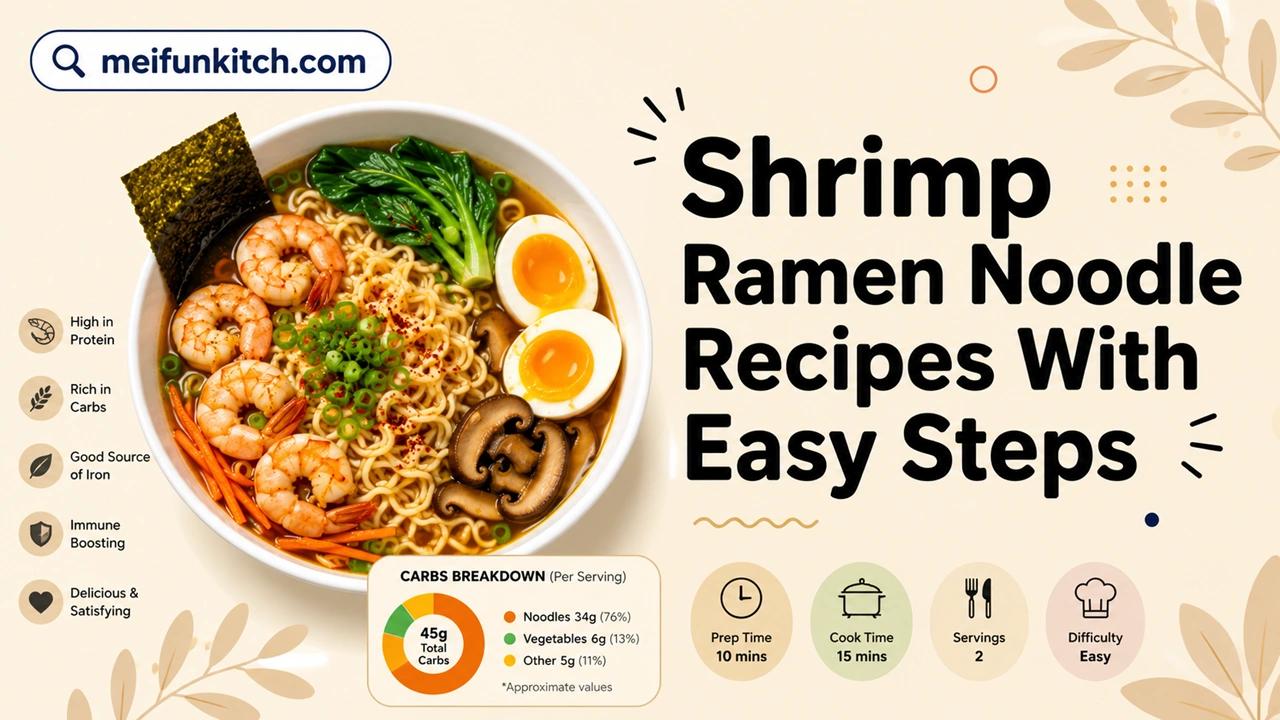
If you want a fast, delicious, and satisfying meal, shrimp ramen noodle recipes offer an excellent choice. They combine tender shrimp, springy noodles, fresh vegetables, and flavorful broth in one bowl. You can prepare most recipes in less than 30 minutes. They also suit beginners because they need simple ingredients and easy cooking techniques. Whether you prefer spicy, creamy, or classic flavors, there is a recipe for every taste.
Many people think instant ramen cannot become a healthy meal. However, shrimp ramen noodle recipes prove otherwise. Fresh shrimp adds lean protein, while vegetables increase fiber, vitamins, and minerals. Homemade broth also gives better flavor than packaged seasoning. As a result, you enjoy a balanced meal without spending hours in the kitchen. You can also customize every bowl according to your family’s preferences.
This guide covers everything about shrimp ramen noodle recipes from ingredients to cooking methods and expert tips. You will also discover healthy variations, storage advice, common mistakes, and serving ideas. By the end, you will have the confidence to prepare restaurant-quality shrimp ramen at home whenever you crave a comforting bowl.
Best Shrimp Ramen Noodle Recipes for Every Taste
Everyone enjoys different flavors. Fortunately, shrimp ramen noodle recipes are incredibly versatile. You can prepare them spicy, creamy, savory, or rich with umami. Each variation uses simple ingredients while delivering impressive taste. Therefore, homemade shrimp ramen easily becomes a favorite weeknight dinner.
Why Shrimp Is the Perfect Protein for Ramen
Shrimp cooks quickly and absorbs flavors beautifully. Because of this, shrimp ramen noodle recipes become both convenient and delicious. Shrimp also provides lean protein, vitamin B12, iodine, and selenium. These nutrients support overall health while keeping meals satisfying.
Fresh or frozen shrimp both work well. Just thaw frozen shrimp completely before cooking. Medium or large shrimp remain juicy and tender when cooked correctly. Avoid overcooking because shrimp turns rubbery within minutes.
Popular Flavor Profiles to Try
Different broths create unique experiences. Therefore, shrimp ramen noodle recipes can suit nearly every palate.
| Flavor Style | Main Ingredients | Taste Profile | Best For |
| Classic Soy | Soy sauce, garlic, ginger | Savory and balanced | Everyday meals |
| Spicy Garlic | Chili paste, garlic, sesame oil | Bold and spicy | Heat lovers |
| Creamy | Milk, cream, parmesan | Rich and comforting | Family dinners |
| Miso | White miso, mushrooms | Deep umami flavor | Traditional ramen fans |
| Coconut Curry | Coconut milk, curry paste | Creamy with mild spice | Fusion recipes |
| Lemon Butter | Butter, lemon juice, herbs | Fresh and light | Summer meals |
Each option delivers a different experience. Consequently, you never become bored with homemade ramen.
Benefits of Making Homemade Shrimp Ramen
Homemade meals offer several advantages over restaurant versions. Besides saving money, shrimp ramen noodle recipes allow complete control over ingredients.
| Benefit | Why It Matters |
| Healthier Ingredients | Less sodium and fewer preservatives |
| Fresh Flavor | Fresh herbs and vegetables improve taste |
| Quick Preparation | Many recipes finish within 30 minutes |
| Budget Friendly | Costs less than restaurant ramen |
| Easy Customization | Adjust spice, vegetables, and protein easily |
| Balanced Nutrition | Protein, vegetables, and noodles in one bowl |
Homemade ramen also lets you experiment with different broths and toppings. Therefore, every meal feels unique while remaining simple to prepare.
How to Make Shrimp Ramen Noodle Recipes at Home
Making shrimp ramen noodle recipes at home is easier than many people expect. You only need fresh ingredients, a flavorful broth, and proper timing. Moreover, cooking everything in the right order creates the perfect texture. As a result, every bowl tastes fresh, rich, and satisfying.
Ingredients You Need Before Cooking
Good ingredients create better flavor. Therefore, choose fresh items whenever possible. Quality ingredients also improve the nutrition and appearance of your meal.
| Ingredient | Purpose | Best Choice | Substitute |
| Shrimp | Main protein | Large peeled shrimp | Medium shrimp |
| Ramen noodles | Base ingredient | Fresh ramen noodles | Instant ramen |
| Chicken broth | Soup base | Low-sodium broth | Vegetable broth |
| Garlic | Adds aroma | Fresh garlic cloves | Garlic paste |
| Ginger | Fresh flavor | Fresh ginger root | Ground ginger |
| Soy sauce | Umami taste | Low-sodium soy sauce | Tamari |
| Sesame oil | Nutty finish | Pure sesame oil | Olive oil |
| Green onions | Fresh garnish | Fresh chopped onions | Chives |
| Mushrooms | Extra texture | Shiitake mushrooms | Button mushrooms |
| Spinach | Nutrition | Baby spinach | Bok choy |
| Soft-boiled egg | Classic topping | Fresh egg | Skip if preferred |
| Sesame seeds | Final garnish | Toasted seeds | Crushed peanuts |
Fresh ingredients always make shrimp ramen noodle recipes taste more authentic. They also create brighter colors and stronger aromas.
How to Prepare Shrimp Correctly
Proper preparation keeps shrimp tender and juicy. Although shrimp cooks quickly, careful handling makes a noticeable difference.
First, rinse the shrimp under cold water. Then remove the shell and vein if needed. Pat each shrimp dry using paper towels. Dry shrimp browns better during cooking.
Season the shrimp lightly with salt, black pepper, and a little garlic. Let it rest for ten minutes. This short resting time helps the seasoning stick well.
Heat a pan over medium-high heat. Add a small amount of oil before placing the shrimp into the pan. Cook each side for about two minutes. Immediately remove the shrimp after it turns pink.
Overcooked shrimp becomes tough. Therefore, never leave it in the pan longer than necessary. Properly cooked shrimp remains juicy and flavorful in shrimp ramen noodle recipes.
Choosing the Best Ramen Noodles
Not every noodle produces the same result. Different noodles change the texture and overall eating experience.
| Noodle Type | Texture | Cooking Time | Best Use |
| Fresh ramen | Soft and chewy | 2–3 minutes | Restaurant-style bowls |
| Instant ramen | Firm | 3–4 minutes | Quick dinners |
| Frozen ramen | Chewy | 3–5 minutes | Authentic recipes |
| Whole wheat ramen | Slightly firm | 5 minutes | Healthy meals |
| Rice noodles | Light texture | 4 minutes | Gluten-free option |
Fresh noodles provide the best texture. However, instant noodles remain an excellent option for busy evenings.
Always cook noodles separately if possible. This method prevents cloudy broth and keeps noodles from becoming too soft.
Building a Rich and Flavorful Broth
The broth gives shrimp ramen noodle recipes their signature taste. Every ingredient should work together without overpowering the shrimp.
Start by heating sesame oil in a large pot. Add minced garlic and grated ginger. Stir until fragrant. Next, pour in chicken or vegetable broth.
Add soy sauce and a small amount of oyster sauce. Many cooks also include a spoonful of miso paste for deeper flavor. Simmer everything gently for ten minutes.
Taste the broth before serving. Add more soy sauce for saltiness or a splash of rice vinegar for brightness. Small adjustments often create the perfect balance.
| Broth Ingredient | Flavor Contribution |
| Chicken broth | Rich foundation |
| Garlic | Bold aroma |
| Fresh ginger | Warm freshness |
| Soy sauce | Savory umami |
| Miso paste | Deep richness |
| Sesame oil | Nutty finish |
| Rice vinegar | Balanced acidity |
| White pepper | Gentle heat |
A homemade broth transforms ordinary noodles into outstanding shrimp ramen noodle recipes.
Cooking Vegetables Without Losing Freshness
Vegetables add color, texture, and nutrition. They also balance the richness of the broth.
Cook hard vegetables first. Carrots and mushrooms need more time than leafy greens. Add spinach, bok choy, or cabbage during the final minute.
Do not overcook vegetables. Bright colors usually indicate proper cooking. Crisp vegetables also improve every bite.
| Vegetable | Cooking Time | Benefit |
| Mushrooms | 4 minutes | Rich umami flavor |
| Carrots | 4–5 minutes | Natural sweetness |
| Corn | 2 minutes | Slight sweetness |
| Baby spinach | 1 minute | Iron and vitamins |
| Bok choy | 2 minutes | Fresh crunch |
| Bean sprouts | 30 seconds | Light texture |
| Bell peppers | 2 minutes | Bright flavor |
Fresh vegetables make shrimp ramen noodle recipes healthier while adding natural sweetness.
Combining Everything in the Right Order
The final assembly affects both flavor and presentation. Therefore, avoid mixing everything too early.
Place cooked noodles into a serving bowl first. Pour the hot broth over them. Arrange shrimp neatly on top. Next, add vegetables around the bowl.
Finish with sliced green onions, sesame seeds, soft-boiled eggs, and chili oil if desired. Every topping adds another layer of flavor and texture.
Restaurant chefs carefully arrange ingredients instead of stirring them together. You can achieve the same attractive presentation at home with little effort.
Easy Cooking Timeline
| Cooking Step | Estimated Time |
| Prepare ingredients | 10 minutes |
| Cook shrimp | 4 minutes |
| Prepare broth | 10 minutes |
| Cook noodles | 3 minutes |
| Cook vegetables | 4 minutes |
| Assemble bowls | 3 minutes |
| Total Time | Approximately 30 minutes |
Expert Tips for Better Results
| Tip | Benefit |
| Pat shrimp dry before cooking | Creates better browning |
| Use low-sodium broth | Gives better seasoning control |
| Cook noodles separately | Prevents soggy texture |
| Add leafy greens last | Keeps vegetables fresh |
| Taste broth before serving | Balances flavors perfectly |
| Use fresh garlic and ginger | Produces stronger aroma |
| Serve immediately | Maintains the best texture |
Following these techniques ensures your shrimp ramen noodle recipes taste fresh, balanced, and restaurant-quality every time. Small improvements during each step create a bowl that looks impressive and delivers outstanding flavor.
Easy Shrimp Ramen Noodle Recipes Ready in 30 Minutes
Busy days often leave little time for cooking. Fortunately, shrimp ramen noodle recipes come together quickly without sacrificing flavor. Most versions require only one pot and a few fresh ingredients. Therefore, you can enjoy a satisfying homemade meal in about half an hour.
Quick recipes also reduce cleanup. As a result, they work well for weeknight dinners, student meals, and family lunches.
30-Minute Garlic Butter Shrimp Ramen Noodle Recipes
Garlic butter creates a rich flavor that pairs perfectly with shrimp. Melt butter in a large pan before adding fresh garlic. Cook the shrimp until pink, then prepare the broth. Finally, combine the noodles, vegetables, and shrimp. Every bite delivers a creamy and savory taste.
| Ingredient | Amount | Purpose |
|---|---|---|
| Shrimp | 1 pound | Main protein |
| Ramen noodles | 2 packs | Base ingredient |
| Butter | 2 tablespoons | Rich flavor |
| Garlic | 4 cloves | Aromatic taste |
| Chicken broth | 4 cups | Soup base |
| Spinach | 2 cups | Fresh nutrition |
| Green onions | 2 tablespoons | Garnish |
Spicy Shrimp Ramen Noodle Recipes for Heat Lovers
Many people enjoy bold flavors. Therefore, spicy shrimp ramen noodle recipes remain a popular choice. Chili paste, garlic, and fresh ginger create a balanced heat. Sesame oil adds a smooth finish without overpowering the broth.
You can adjust the spice level easily. Add more chili oil for extra heat or reduce it for a milder bowl.
| Spice Level | Recommended Ingredients |
|---|---|
| Mild | Paprika and black pepper |
| Medium | Sriracha and chili flakes |
| Hot | Korean chili paste |
| Extra Hot | Fresh Thai chilies |
Creamy Shrimp Ramen Noodle Recipes for Comfort Food
Creamy ramen feels rich without becoming heavy. Add a little heavy cream or whole milk near the end of cooking. Parmesan cheese also creates a smooth texture.
Fresh herbs brighten the finished dish. Consequently, the creamy broth remains balanced instead of overwhelming.
One-Pot Shrimp Ramen Noodle Recipes
One-pot meals save both time and effort. Everything cooks in the same pot while absorbing delicious flavors. Shrimp cooks near the end to stay tender. Vegetables remain slightly crisp because they cook for only a few minutes.
| Benefit | Why It Matters |
|---|---|
| Less cleanup | Only one cooking pot |
| More flavor | Ingredients cook together |
| Quick preparation | Ready in under 30 minutes |
| Simple process | Perfect for beginners |
Healthy Shrimp Ramen Noodle Recipes for Busy Weeknights
Healthy eating does not require boring meals. In fact, shrimp ramen noodle recipes can become nutritious with a few simple changes. Fresh vegetables, homemade broth, and lean shrimp create a balanced bowl.
Whole ingredients also reduce preservatives and unnecessary sodium.
Low-Calorie Shrimp Ramen Noodle Recipes
Reduce calories by using less oil and more vegetables. Replace part of the noodles with zucchini noodles or extra spinach. Homemade broth also contains less sodium than packaged seasoning.
| Ingredient Swap | Health Benefit |
|---|---|
| Whole wheat ramen | More fiber |
| Extra spinach | More vitamins |
| Low-sodium broth | Less salt |
| Less sesame oil | Lower fat |
| Fresh herbs | More flavor without calories |
High-Protein Shrimp Ramen Noodle Recipes
Protein helps you stay full longer. Shrimp already contains plenty of lean protein. However, adding soft-boiled eggs or tofu increases nutrition even more.
| Protein Source | Protein Per Serving |
|---|---|
| Shrimp | 24 g |
| Egg | 6 g |
| Tofu | 10 g |
| Edamame | 17 g |
Low-Sodium Shrimp Ramen Noodle Recipes
Traditional ramen often contains large amounts of salt. Homemade shrimp ramen noodle recipes allow complete control over seasoning.
Use low-sodium broth and reduced-sodium soy sauce. Fresh garlic, ginger, mushrooms, and herbs naturally increase flavor without adding extra salt.
Gluten-Free Shrimp Ramen Noodle Recipes
Many people avoid gluten. Fortunately, rice noodles work well in ramen. They absorb broth beautifully while remaining light.
Tamari replaces regular soy sauce because it contains little or no wheat. The finished bowl still delivers rich umami flavor.
| Gluten-Free Ingredient | Replacement |
|---|---|
| Rice noodles | Regular ramen |
| Tamari | Soy sauce |
| Cornstarch | Flour thickener |
| Fresh vegetables | Processed toppings |
Common Mistakes to Avoid When Cooking Shrimp Ramen Noodle Recipes
Even simple recipes can go wrong. Fortunately, avoiding a few common mistakes improves shrimp ramen noodle recipes immediately.
Overcooking the Shrimp
Shrimp cooks very quickly. Leaving it in the pan too long creates a rubbery texture. Cook until the shrimp turns pink and slightly curls. Then remove it from the heat immediately.
Overcooking the Noodles
Soft noodles absorb too much broth. Therefore, cook them until slightly firm. They continue cooking after entering the hot soup.
Using Only the Seasoning Packet
Instant seasoning contains a lot of sodium. Replace part of it with homemade broth, garlic, ginger, soy sauce, and sesame oil. The flavor becomes fresher and more balanced.
Skipping Fresh Aromatics
Fresh garlic and ginger make a significant difference. Powdered seasonings cannot provide the same aroma or depth.
| Common Mistake | Problem Created | Better Solution |
|---|---|---|
| Overcooked shrimp | Rubbery texture | Cook only 2–3 minutes |
| Soft noodles | Mushy consistency | Cook until slightly firm |
| Too much seasoning packet | Excess sodium | Use homemade broth |
| No fresh vegetables | Less nutrition | Add spinach, mushrooms, and carrots |
| Weak broth | Flat flavor | Simmer garlic, ginger, and soy sauce |
| Serving late | Soggy noodles | Serve immediately after cooking |
These techniques help every bowl of shrimp ramen noodle recipes taste fresher, healthier, and closer to restaurant quality while remaining easy enough for everyday cooking.
Best Vegetables, Toppings, and Seasonings for Shrimp Ramen
Fresh ingredients transform shrimp ramen noodle recipes from ordinary meals into flavorful bowls. Every topping adds a unique texture, while every seasoning builds another layer of taste. Therefore, choosing the right combination makes a noticeable difference. You can also customize each bowl based on your preferences and seasonal produce.
Best Vegetables for Shrimp Ramen Noodle Recipes
Vegetables provide color, crunch, and nutrition. They also balance the rich broth and tender shrimp. Moreover, fresh vegetables absorb the broth without losing their natural flavor.
Choose vegetables with different textures for the best results. Soft greens pair well with crunchy vegetables. This combination creates a satisfying bite in every spoonful.
| Vegetable | Flavor | Cooking Time | Best Pairing |
|---|---|---|---|
| Baby spinach | Mild | 1 minute | Soy broth |
| Bok choy | Fresh | 2 minutes | Miso broth |
| Shiitake mushrooms | Earthy | 4 minutes | Garlic broth |
| Button mushrooms | Savory | 3 minutes | Creamy broth |
| Carrots | Sweet | 5 minutes | Spicy broth |
| Sweet corn | Lightly sweet | 2 minutes | Butter broth |
| Bean sprouts | Crunchy | 30 seconds | Classic ramen |
| Bell peppers | Fresh | 2 minutes | Garlic ramen |
| Snow peas | Crisp | 2 minutes | Sesame broth |
| Green onions | Mild onion flavor | Raw | Every recipe |
Fresh vegetables also increase vitamins and fiber. As a result, shrimp ramen noodle recipes become healthier without adding much preparation time.
Popular Toppings That Add More Flavor
Toppings complete every bowl. They improve both presentation and taste. Even simple toppings create a restaurant-style appearance.
Add toppings just before serving. This method keeps every ingredient fresh and crisp.
| Topping | Texture | Flavor Contribution |
|---|---|---|
| Soft-boiled egg | Creamy | Richness |
| Sesame seeds | Crunchy | Nutty flavor |
| Nori sheets | Light | Ocean flavor |
| Green onions | Fresh | Mild sharpness |
| Chili oil | Smooth | Spicy finish |
| Fried garlic | Crunchy | Bold aroma |
| Fresh cilantro | Tender | Fresh taste |
| Lime wedges | Juicy | Bright acidity |
| Pickled ginger | Tender | Refreshing balance |
| Crispy onions | Crunchy | Sweet onion flavor |
A few carefully selected toppings make shrimp ramen noodle recipes look and taste more appealing.
Best Seasonings for Shrimp Ramen Noodle Recipes
Seasonings build the foundation of every broth. Instead of depending only on packaged seasoning, combine fresh ingredients for deeper flavor.
Garlic and ginger create aroma first. Soy sauce provides umami, while sesame oil delivers richness. Rice vinegar balances the broth with gentle acidity.
| Seasoning | Purpose | Recommended Amount |
|---|---|---|
| Soy sauce | Umami flavor | 2 tablespoons |
| Sesame oil | Nutty aroma | 1 teaspoon |
| Fresh garlic | Bold flavor | 4 cloves |
| Fresh ginger | Warm freshness | 1 tablespoon |
| White pepper | Gentle heat | ½ teaspoon |
| Miso paste | Deep richness | 1 tablespoon |
| Rice vinegar | Balanced acidity | 1 teaspoon |
| Oyster sauce | Savory depth | 1 tablespoon |
Layering seasonings gradually helps shrimp ramen noodle recipes develop complex flavors without becoming salty.
Fresh Herbs That Improve Every Bowl
Fresh herbs brighten rich broth. They also add fragrance without increasing calories.
Add herbs after cooking instead of boiling them. Heat reduces their fresh flavor quickly.
| Herb | Flavor | Best With |
|---|---|---|
| Cilantro | Fresh | Spicy ramen |
| Parsley | Clean | Butter ramen |
| Thai basil | Sweet | Curry ramen |
| Chives | Mild onion | Creamy ramen |
| Green onions | Sharp freshness | Classic ramen |
Shrimp Ramen Noodle Recipes vs Other Popular Noodle Dishes
Many noodle dishes taste delicious. However, shrimp ramen noodle recipes offer a unique balance of broth, noodles, vegetables, and protein. Understanding these differences helps you choose the right meal for every occasion.
Shrimp Ramen Noodle Recipes vs Chicken Ramen
Chicken ramen delivers comforting flavor. However, shrimp cooks faster and provides a lighter taste. Shrimp also absorbs seasonings quickly, making every bite flavorful.
| Feature | Shrimp Ramen | Chicken Ramen |
|---|---|---|
| Cooking Time | 20–30 minutes | 30–40 minutes |
| Protein | Lean shrimp | Chicken |
| Flavor | Light seafood | Rich poultry |
| Texture | Tender | Firm |
| Best For | Quick meals | Hearty dinners |
Shrimp Ramen Noodle Recipes vs Udon
Udon noodles are thicker than ramen noodles. Consequently, they create a heavier meal. Ramen noodles absorb broth more effectively, producing a richer eating experience.
| Feature | Shrimp Ramen | Udon |
|---|---|---|
| Noodle Thickness | Medium | Very thick |
| Broth Absorption | Excellent | Moderate |
| Texture | Chewy | Soft |
| Cooking Speed | Fast | Moderate |
Shrimp Ramen Noodle Recipes vs Pho
Pho uses rice noodles and aromatic herbs. Meanwhile, ramen uses wheat noodles and a richer broth. Both dishes taste excellent, but each offers a different experience.
| Feature | Shrimp Ramen | Pho |
|---|---|---|
| Noodles | Wheat | Rice |
| Broth | Rich umami | Light aromatic |
| Common Herbs | Green onions | Thai basil |
| Flavor Style | Savory | Fresh |
Shrimp Ramen Noodle Recipes vs Lo Mein
Lo mein contains very little broth. Instead, it relies on savory sauces. In contrast, ramen centers around a flavorful soup.
| Feature | Shrimp Ramen | Lo Mein |
|---|---|---|
| Broth | Yes | No |
| Cooking Style | Soup | Stir-fry |
| Texture | Light | Saucy |
| Serving Style | Bowl | Plate |
Expert Tips to Make Shrimp Ramen Noodle Recipes Taste Like Restaurant Quality
Professional chefs follow simple techniques that improve every bowl. Fortunately, you can use the same methods at home. Small details often separate average meals from outstanding shrimp ramen noodle recipes.
Use High-Quality Ingredients
Fresh shrimp delivers sweeter flavor and firmer texture. Homemade broth also creates a cleaner taste than packaged seasoning. Good ingredients require fewer seasonings because they already contain natural flavor.
Cook Every Ingredient Separately
Restaurants rarely cook everything together. Instead, they prepare shrimp, noodles, vegetables, and broth individually. This technique preserves the ideal texture of every ingredient.
Balance Every Flavor
Great ramen balances salty, sweet, savory, spicy, and acidic flavors. Taste the broth before serving. Then adjust it with soy sauce, sesame oil, or rice vinegar if necessary.
Serve Shrimp Ramen Immediately
Fresh ramen tastes best right after cooking. Waiting too long allows noodles to absorb too much broth. Therefore, assemble each bowl only when everything is ready.
| Professional Tip | Benefit |
|---|---|
| Use fresh shrimp | Sweeter flavor |
| Prepare homemade broth | Deeper taste |
| Cook noodles separately | Better texture |
| Add vegetables last | Brighter color |
| Taste before serving | Balanced seasoning |
| Garnish just before eating | Fresh appearance |
| Warm serving bowls | Keeps soup hot longer |
Applying these professional techniques consistently helps your shrimp ramen noodle recipes look attractive, taste balanced, and deliver the same satisfying experience you expect from a quality ramen restaurant.
How to Store, Freeze, and Reheat Shrimp Ramen
Leftovers can taste just as good when stored properly. However, shrimp ramen noodle recipes require careful handling because noodles and shrimp change texture over time. Therefore, store the broth, noodles, and toppings separately whenever possible. This simple step keeps every ingredient fresh.
How to Store Shrimp Ramen Noodle Recipes
Allow the ramen to cool before placing it into airtight containers. Refrigerate it within two hours of cooking. Keeping the broth separate from the noodles prevents them from becoming soggy.
| Component | Storage Method | Maximum Time |
|---|---|---|
| Cooked shrimp | Airtight container | 3 days |
| Broth | Sealed container | 4 days |
| Cooked noodles | Separate container | 2 days |
| Fresh vegetables | Airtight container | 2 days |
| Soft-boiled eggs | Covered container | 2 days |
Proper storage helps shrimp ramen noodle recipes maintain their flavor and texture.
Can You Freeze Shrimp Ramen Noodle Recipes?
Yes, you can freeze most parts of the meal. However, freeze the broth and shrimp separately from the noodles. Frozen noodles often become soft after thawing.
Prepare fresh noodles when serving the frozen broth. This method delivers much better results.
| Food Item | Freeze? | Best Practice |
|---|---|---|
| Shrimp | Yes | Freeze in broth |
| Broth | Yes | Use freezer-safe container |
| Cooked noodles | Not recommended | Cook fresh later |
| Vegetables | Yes | Freeze firm vegetables only |
| Fresh herbs | No | Add after reheating |
Best Ways to Reheat Shrimp Ramen
Heat the broth slowly over medium heat until hot. Add the shrimp during the final minute to avoid overcooking. Prepare fresh noodles separately before combining everything.
Microwave reheating also works. However, stir the broth halfway through heating for even temperature.
| Method | Time | Result |
|---|---|---|
| Stovetop | 5–7 minutes | Best flavor |
| Microwave | 2–3 minutes | Quick option |
| Fresh noodle method | 5 minutes | Best texture |
Reheating carefully keeps shrimp ramen noodle recipes delicious even the next day.
Frequently Asked Questions
Can I use frozen shrimp for shrimp ramen noodle recipes?
Yes. Frozen shrimp works very well. Thaw it completely and pat it dry before cooking. This process helps the shrimp brown evenly and stay juicy.
What noodles work best for shrimp ramen?
Fresh ramen noodles provide the best texture. However, instant ramen, frozen ramen, and whole wheat ramen also produce excellent results.
Can I make shrimp ramen without the seasoning packet?
Absolutely. Homemade broth made with garlic, ginger, soy sauce, sesame oil, and chicken broth creates fresher flavor and contains less sodium than packaged seasoning.
How do I keep shrimp tender?
Cook shrimp over medium-high heat for only two to three minutes per side. Remove it immediately once it turns pink.
What vegetables go best with shrimp ramen noodle recipes?
Spinach, bok choy, mushrooms, carrots, corn, bean sprouts, and green onions all pair beautifully with shrimp ramen noodle recipes.
Can I make shrimp ramen spicy?
Yes. Add chili oil, chili flakes, sriracha, or Korean chili paste until the broth reaches your preferred spice level.
Is shrimp ramen healthy?
It can be. Homemade shrimp ramen noodles recipes become healthier when you use fresh vegetables, lean shrimp, low-sodium broth, and moderate portions of noodles.
Can I prepare shrimp ramen ahead of time?
Yes. Store the broth, shrimp, noodles, and toppings separately. Assemble the bowl only before serving for the best texture.
Conclusion
Homemade shrimp ramen noodle recipes combine convenience, flavor, and nutrition in one satisfying meal. They require simple ingredients, yet they produce restaurant-quality results. Fresh shrimp, flavorful broth, perfectly cooked noodles, and colorful vegetables create a balanced bowl that everyone can enjoy.
These recipes also adapt easily to different tastes. You can prepare creamy, spicy, miso, garlic butter, or healthy versions without changing the basic cooking process. Moreover, homemade ramen lets you control the ingredients, making every serving fresher and healthier than many packaged alternatives.
By following the techniques, ingredient suggestions, and expert tips in this guide, you can confidently prepare delicious shrimp ramen noodles recipes whenever you need a quick lunch or comforting dinner. Experiment with different vegetables, toppings, and broths to discover your favorite combination. With a little practice, every bowl will become more flavorful, nutritious, and enjoyable.

George Eliot
Author63 Published Articles
George Eliot is a passionate recipe writer and home cooking enthusiast dedicated to sharing simple, flavorful, and reliable recipes for everyday meals. With a love for fresh ingredients and practical cooking techniques, George creates easy-to-follow recipes that help home cooks of all skill levels prepare delicious breakfasts, lunches, dinners, desserts, and snacks. In addition to developing recipes, George shares helpful cooking tips, ingredient guides, and nutrition insights to inspire readers to cook with confidence and enjoy homemade food. Every recipe is carefully crafted, tested, and written with the goal of making home cooking enjoyable, accessible, and rewarding for families and food lovers alike.
EducationPostgraduate Diploma in Nutrition.
Experience5 Years.
ExpertiseWrite about Recipes, Nutrition Facts