
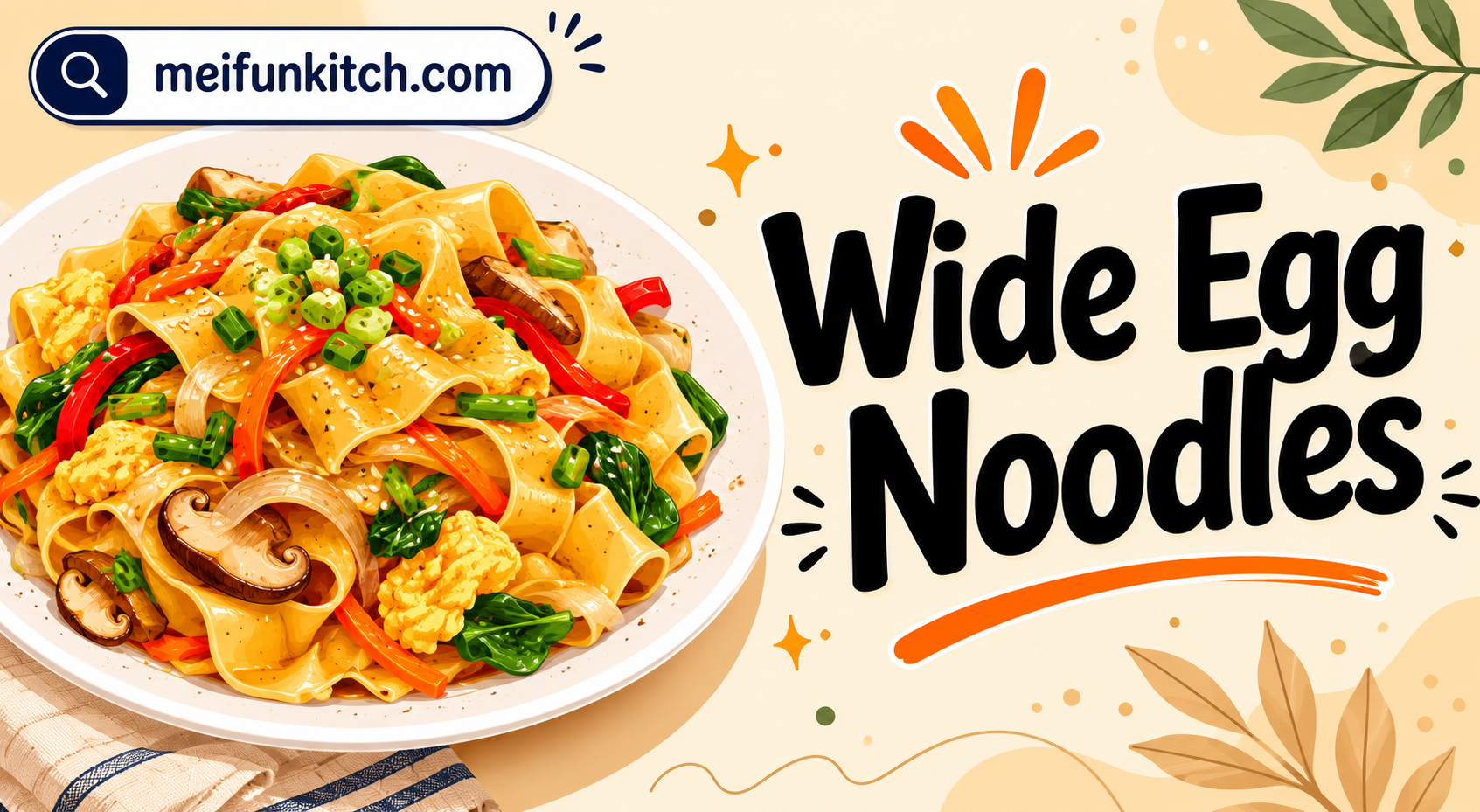
Wide egg noodles Asian are soft, tasty, and fun to eat. Many people love them because they are thick, chewy, and easy to cook. These noodles are made with flour and eggs, which give them a rich flavor and smooth texture. You can use wide egg noodles in soups, stir-fries, casseroles, or simple noodle dishes at home. They are popular in many kitchens because they cook fast and taste great with vegetables, chicken, beef, or sauces.
- 1. What Are Wide Egg Noodles Asian Style?
- 2. Wide Egg Noodles Asian Recipes You Can Make at Home
- 3. Best Ways to Cook Asian Wide Egg Noodles
- 4. Easy Asian Wide Egg Noodles Stir Fry Recipe
- 5. Wide Egg Noodles Asian Soup Ideas for Dinner
- 6. Difference Between Asian Wide Egg Noodles and Regular Noodles
- 7. Popular Dishes Made With Asian Wide Egg Noodles
- 8. How to Season Asian Wide Egg Noodles for Better Flavor
- 9. Best Vegetables to Add to Asian Wide Egg Noodles
- 10. Chicken and Wide Egg Noodles Asian Style
- 11. Beef Wide Egg Noodles Asian Recipe Guide
- 12. Conclusion About Wide Egg Noodles
- 13. FAQs About Wide Egg Noodles
Families enjoy wide egg noodles because they are filling and comforting. They are often used in warm homemade meals that bring everyone together at the table. Some people like them with creamy sauces, while others enjoy them in spicy or savory recipes. Wide egg noodles can also be a good choice for busy days since they are quick and simple to prepare. Their soft bite and rich taste make them loved by both kids and adults.
In this blog post, you will learn everything about wide egg noodles, including how they are made, how to cook them, and the best ways to enjoy them. We will also share helpful cooking tips, tasty meal ideas, and easy facts about nutrition. If you are looking for simple and delicious noodle meals, wide egg noodles can be a perfect choice for your kitchen.
What Are Wide Egg Noodles Asian Style?
Traditional Ingredients Used
Asian-style noodles are popular because they are soft, rich, and easy to cook in many meals. Wide Egg Noodles are usually made with wheat flour, eggs, water, and a little salt. The eggs give the noodles their yellow color and smooth texture. In many Asian countries, cooks prepare these noodles fresh every day to keep the flavor delicious and authentic. Fresh noodles are often softer than dried noodles and absorb sauces very well during cooking.
These noodles are commonly used in Chinese, Thai, and other Asian dishes because they work perfectly with vegetables, meat, and flavorful sauces. Their wide shape helps them hold broth and seasoning better than thin noodles. Many families enjoy them in comfort meals because they are filling and warm. Restaurants also use them in stir-fried dishes because they stay tender even when cooked over high heat.
People love Asian-style noodles because they are versatile and simple to prepare. They can be boiled, stir-fried, or added to soup without losing texture. Home cooks often choose them for quick meals that still taste homemade and satisfying. Their rich taste and soft bite make them popular with both children and adults around the world.
Why They Are Popular in Asian Cuisine
Asian cooking focuses on balance, texture, and flavor, which is why noodles are an important part of many dishes. These noodles are loved because they mix well with sweet, salty, spicy, and savory ingredients. Their soft texture makes every meal comforting and enjoyable. Many traditional recipes use fresh vegetables, garlic, soy sauce, and proteins together with noodles to create delicious family meals.
In busy households, noodles are useful because they cook quickly and save time in the kitchen. Families can prepare simple dishes using leftover vegetables or meat while still creating healthy and tasty meals. Street food vendors and restaurants also prefer these noodles because they cook evenly and stay flavorful after frying or boiling.
Another reason for their popularity is their ability to fit into many cooking styles. They can be served dry with sauce or inside rich soups during colder months. Their flexibility allows cooks to create endless meal combinations without needing difficult ingredients or advanced cooking skills.
Comparison Table: Asian Style vs Regular Noodles
| Feature | Asian Style Wide Noodles | Regular Pasta Noodles |
| Texture | Soft and chewy | Firm and dense |
| Main Ingredients | Flour and eggs | Mostly flour |
| Cooking Style | Stir-fried or soup | Boiled with sauce |
| Flavor | Rich and savory | Mild taste |
| Popular Regions | Asian countries | Western countries |
| Thickness | Wide and flat | Many shapes |
| Sauce Absorption | Excellent | Moderate |
| Cooking Time | Fast cooking | Medium cooking |
| Common Dishes | Stir fry and soups | Pasta meals |
| Color | Yellow from eggs | Pale cream |
| Best With | Soy-based sauces | Tomato or cream sauces |
| Meal Type | Comfort and street food | Italian-style meals |
Wide Egg Noodles Asian Recipes You Can Make at Home
Simple Homemade Noodle Meals
Cooking homemade noodle meals can be both fun and relaxing for families. Wide Egg Noodles are perfect for easy recipes because they cook quickly and taste delicious with simple ingredients. Many people prepare them with garlic, onions, soy sauce, and vegetables for a fast dinner. Chicken, shrimp, or beef can also be added to make the meal more filling and balanced.
Homemade noodle dishes allow people to control ingredients and flavors according to personal taste. Fresh vegetables like carrots, cabbage, bell peppers, and mushrooms add color and nutrition to the meal. These ingredients also create a fresh aroma that makes the dish more enjoyable. Many home cooks prefer making noodle dishes because they are affordable and require only basic kitchen tools.
Preparing noodle recipes at home also helps families enjoy healthier meals. Homemade dishes often contain less oil and fewer preservatives than restaurant meals. People can adjust spice levels and seasoning while still creating authentic Asian flavors that everyone at the table can enjoy together.
Easy Ingredients for Beginners
Beginner cooks often worry about making Asian dishes, but noodle recipes are usually simple and beginner-friendly. Common ingredients like soy sauce, garlic, ginger, sesame oil, and vegetables are easy to find in grocery stores. These ingredients work together to create deep flavor without making cooking complicated.
Using fresh vegetables improves both nutrition and texture in homemade meals. Broccoli, bok choy, green onions, and snap peas are popular choices because they stay crisp after cooking. Eggs can also be added for extra protein and richness. These simple additions make homemade noodle meals both healthy and satisfying.
Many beginner cooks enjoy noodle recipes because they are flexible and forgiving. Ingredients can be changed depending on what is available at home. This makes the recipes convenient for busy families who want quick meals without spending too much time or money in the kitchen.
Comparison Table: Homemade vs Restaurant Recipes
| Feature | Homemade Recipes | Restaurant Recipes |
| Cost | Affordable | Expensive |
| Freshness | Very fresh | Depends on restaurant |
| Oil Amount | Controlled | Usually higher |
| Flavor Control | Customizable | Fixed taste |
| Cooking Time | Quick | No preparation needed |
| Ingredients | Simple pantry items | Professional ingredients |
| Portion Size | Adjustable | Standard portions |
| Family Friendly | Highly suitable | Depends on menu |
| Preservatives | Very low | Sometimes included |
| Healthiness | Easier to manage | Can be heavy |
| Creativity | Unlimited options | Limited choices |
| Convenience | Requires cooking | Ready to serve |
Best Ways to Cook Asian Wide Egg Noodles
Boiling the Noodles Properly
Cooking noodles correctly helps improve both texture and flavor. Wide Egg Noodles should be boiled in plenty of water so they cook evenly without sticking together. Many cooks add a small amount of salt to the water to improve taste. The noodles should remain soft but slightly firm so they hold their shape during stir-frying or soup preparation.
After boiling, rinsing the noodles with cool water helps stop the cooking process. This step also prevents the noodles from becoming sticky or overly soft. Some cooks add a little oil after draining to keep the noodles smooth and separated before adding sauces or vegetables.
Proper cooking creates noodles that are tender, flavorful, and pleasant to eat. Overcooking can make them mushy and weak, while undercooking leaves them hard and chewy. Careful timing helps create restaurant-style texture even in homemade meals.
Stir-Frying for Better Flavor
Stir-frying is one of the best ways to prepare Asian noodle dishes because it creates rich flavor and aroma. High heat helps vegetables stay crisp while sauces coat the noodles evenly. Garlic, ginger, soy sauce, and sesame oil are commonly used to create savory flavor during stir-frying.
Cooking ingredients separately before mixing them together can improve texture and appearance. Meat and vegetables should cook first so the noodles do not become soggy. After everything is ready, the noodles are added last to absorb all the delicious sauce and seasoning.
Many people enjoy stir-fried noodles because they are colorful, warm, and filling. This cooking method also allows cooks to prepare complete meals in one pan, saving both time and cleanup effort in the kitchen.
Comparison Table: Boiling vs Stir-Frying
| Feature | Boiling | Stir-Frying |
| Cooking Style | Water based | High heat cooking |
| Texture | Soft | Slightly crispy |
| Flavor | Mild | Rich and smoky |
| Oil Usage | Very little | Moderate |
| Cooking Time | Fast | Fast |
| Best For | Soups | Dry noodle dishes |
| Ingredient Mixing | Separate | Combined together |
| Aroma | Light | Strong and savory |
| Skill Level | Beginner friendly | Medium skill |
| Kitchen Tools | Pot | Wok or pan |
| Appearance | Plain noodles | Colorful meal |
| Popularity | Traditional soups | Street food dishes |
Easy Asian Wide Egg Noodles Stir Fry Recipe
Ingredients Needed for Stir Fry
A simple stir-fry recipe can create a flavorful dinner within minutes. Wide Egg Noodles work perfectly in stir-fry meals because they absorb sauces while staying soft and chewy. Common ingredients include garlic, soy sauce, carrots, cabbage, bell peppers, onions, and green onions. Chicken or shrimp can also be added for more protein and flavor.
Fresh vegetables make stir-fry meals colorful and nutritious. Many cooks enjoy using vegetables that remain slightly crunchy after cooking. Sesame oil and ginger add traditional Asian flavor that makes the dish smell delicious and taste authentic. Chili sauce can also be added for people who enjoy spicy meals.
Preparing ingredients before cooking helps the process move smoothly because stir-frying happens quickly. Cutting vegetables into thin pieces allows them to cook evenly while keeping their fresh texture and natural sweetness.
Simple Cooking Instructions
Start by boiling the noodles until soft, then drain and set them aside. Heat oil in a pan and cook garlic, onions, and ginger until fragrant. Add vegetables and protein, cooking them until tender but still slightly crisp. Soy sauce and sesame oil are then mixed in to create a savory sauce.
After the vegetables and meat are cooked, the noodles are added to the pan. Toss everything together over medium heat so the sauce coats every noodle evenly. Green onions or sesame seeds can be sprinkled on top before serving for extra flavor and decoration.
This stir-fry recipe is popular because it is fast, affordable, and satisfying. Families enjoy it as a weeknight dinner because it provides vegetables, protein, and carbohydrates in one simple dish.
Comparison Table: Stir Fry Ingredients
| Ingredient | Purpose in Recipe |
| Garlic | Adds aroma |
| Soy Sauce | Gives salty flavor |
| Ginger | Adds warmth |
| Sesame Oil | Creates nutty taste |
| Carrots | Adds sweetness |
| Bell Peppers | Adds color |
| Cabbage | Improves texture |
| Green Onions | Fresh topping |
| Chicken | Protein source |
| Shrimp | Seafood flavor |
| Mushrooms | Earthy taste |
| Chili Sauce | Adds spice |
Wide Egg Noodles Asian Soup Ideas for Dinner
Comforting Soup Recipes
Warm noodle soups are comforting meals that many families enjoy during dinner. Wide Egg Noodles are excellent for soups because they stay soft while absorbing flavorful broth. Chicken broth, garlic, ginger, and vegetables create a rich base that tastes both warming and satisfying. Many soup recipes also include mushrooms, bok choy, or spinach for extra nutrition.
Soup dishes are often easy to digest and perfect for cold weather or relaxing evenings. The noodles help make the soup filling while still keeping the meal light and enjoyable. Some families also add boiled eggs or shredded chicken to create a more balanced dinner option.
These soups are popular because they are easy to prepare and comforting for all age groups. Many people enjoy the soothing combination of warm broth, soft noodles, and fresh vegetables after a long day.
Best Ingredients for Dinner Soups
Fresh ingredients help create healthier and tastier soup recipes. Garlic and ginger improve flavor while also adding warmth to the broth. Vegetables like bok choy, spinach, carrots, and mushrooms provide vitamins and texture. Protein options such as chicken, tofu, or shrimp make the soup more complete and nutritious.
Many cooks prepare soup using homemade broth because it tastes fresher and contains fewer preservatives. Soy sauce and sesame oil can also be added for extra depth of flavor. Green onions are often used as a topping because they add freshness and color.
Soup recipes are flexible and easy to customize according to personal preference. Families can create simple or rich soups depending on the ingredients available at home and the type of flavor they enjoy most.
Comparison Table: Different Asian Soup Styles
| Soup Type | Main Flavor |
| Chicken Noodle Soup | Savory and rich |
| Vegetable Soup | Light and fresh |
| Spicy Broth Soup | Hot and bold |
| Mushroom Soup | Earthy taste |
| Garlic Ginger Soup | Warm and aromatic |
| Seafood Noodle Soup | Salty and fresh |
| Tofu Soup | Mild and healthy |
| Soy Sauce Broth | Deep savory flavor |
| Coconut Curry Soup | Creamy and spicy |
| Beef Noodle Soup | Rich and hearty |
| Spinach Soup | Fresh and light |
| Sesame Broth Soup | Nutty and smooth |
Difference Between Asian Wide Egg Noodles and Regular Noodles
Texture and Taste Differences
Asian noodles are known for their soft, chewy texture and rich flavor that work well in many traditional meals. Wide Egg Noodles are usually thicker and smoother than regular noodles because they contain eggs that give them a rich taste and yellow color. Their soft texture makes them perfect for stir-fries, soups, and saucy dishes. Many people enjoy their chewy bite because it adds comfort and satisfaction to every meal.
Regular noodles are often firmer and may not absorb sauces as deeply as Asian-style noodles. Pasta noodles used in Western cooking are usually paired with tomato or cream sauces, while Asian noodles are commonly mixed with soy sauce, garlic, sesame oil, and savory seasonings. This creates a major difference in both flavor and cooking style.
Many cooks prefer Asian noodles because they stay tender even after stir-frying or boiling in broth. Their ability to hold flavor makes them popular in restaurants and home kitchens. Families also enjoy them because they are filling, easy to prepare, and suitable for many types of recipes.
Cooking Methods and Ingredients
Asian noodles are often cooked quickly over high heat in a wok or added directly into soup broth. This cooking style helps maintain their texture while allowing them to absorb rich flavors. Ingredients like ginger, garlic, green onions, and soy sauce are commonly used to create traditional Asian meals with strong aroma and taste.
Regular noodles are mostly boiled and served with heavier sauces such as cheese or tomato-based mixtures. Their cooking process is usually simpler but may not create the same smoky or savory flavor that comes from stir-frying. Asian-style noodles are often more flexible because they can be used in soups, stir-fries, or cold noodle dishes.
Another important difference is the ingredient list. Asian noodles often contain eggs, which give them softness and elasticity. Some regular noodles are made only with flour and water. This changes both the taste and the final texture of the cooked dish.
Comparison Table: Asian vs Regular Noodles
| Feature | Asian Wide Noodles | Regular Noodles |
| Texture | Soft and chewy | Firm and dense |
| Main Ingredients | Flour and eggs | Mostly flour |
| Color | Yellow | Light cream |
| Cooking Method | Stir-fry or soup | Boiling |
| Flavor Style | Savory | Mild |
| Sauce Absorption | Excellent | Moderate |
| Common Cuisine | Asian dishes | Western dishes |
| Cooking Speed | Fast | Medium |
| Best For | Soups and stir-fries | Pasta meals |
| Shape | Wide and flat | Many shapes |
| Aroma | Rich and smoky | Mild aroma |
| Popular Seasoning | Soy sauce | Tomato sauce |
Popular Dishes Made With Asian Wide Egg Noodles
Stir-Fried Noodle Dishes
Asian cuisine includes many famous noodle dishes loved around the world. Wide Egg Noodles are often used in stir-fried meals because they absorb sauce while keeping their soft and chewy texture. Popular dishes include garlic noodles, vegetable stir fry, chicken chow mein, and spicy noodle bowls. These meals are colorful, flavorful, and easy to prepare at home.
Street food vendors in many Asian countries serve stir-fried noodles because they cook quickly and satisfy hungry customers. Vegetables, sauces, and proteins are tossed together over high heat to create smoky flavor and delicious aroma. The noodles become coated in sauce, making every bite rich and savory.
Families also enjoy stir-fried noodle dishes because they are affordable and flexible. Different vegetables and meats can be added depending on personal preference or available ingredients. This makes noodle dishes practical for both simple dinners and special family meals.
Soups and Comfort Foods
Noodle soups are another popular way to enjoy Asian-style noodles. Warm broth mixed with vegetables, herbs, and protein creates comforting meals perfect for dinner or cold weather. Chicken noodle soup, beef noodle soup, and seafood noodle soup are common favorites in many households.
Soup dishes are loved because they are filling while still feeling light and refreshing. The noodles soak up broth, creating deep flavor in every bite. Fresh toppings like green onions, cilantro, and chili oil improve both taste and appearance.
Comfort food recipes often use noodles because they are easy to digest and satisfying. Many families prepare soup recipes during rainy days or family gatherings because they bring warmth and comfort to the table.
Comparison Table: Popular Noodle Dishes
| Dish Name | Main Flavor |
| Chicken Chow Mein | Savory |
| Garlic Noodles | Rich garlic flavor |
| Beef Stir Fry Noodles | Smoky and hearty |
| Seafood Noodle Soup | Fresh seafood taste |
| Vegetable Stir Fry | Light and healthy |
| Spicy Chili Noodles | Hot and bold |
| Sesame Noodles | Nutty flavor |
| Ginger Chicken Noodles | Warm and aromatic |
| Curry Noodles | Creamy and spicy |
| Mushroom Noodle Soup | Earthy and rich |
| Soy Sauce Noodles | Salty and savory |
| Garlic Ginger Soup | Comforting flavor |
How to Season Asian Wide Egg Noodles for Better Flavor
Best Sauces and Spices
Seasoning noodles correctly helps create rich and delicious meals. Wide Egg Noodles taste best when mixed with savory sauces and aromatic spices. Soy sauce is one of the most popular ingredients because it adds salty depth and color. Sesame oil also creates a warm, nutty flavor that blends well with vegetables and meat.
Garlic and ginger are important ingredients in many Asian dishes because they improve both aroma and taste. Chili flakes or chili sauce can be added for people who enjoy spicy meals. Some cooks also use oyster sauce or hoisin sauce to create sweeter and deeper flavor combinations.
Balancing salty, sweet, and spicy ingredients is important for creating restaurant-style noodle dishes. Too much seasoning can overpower the noodles, while too little can make the meal taste plain. Using fresh ingredients helps create natural flavor without making the dish too heavy.
Fresh Herbs and Toppings
Fresh herbs improve both appearance and taste in noodle dishes. Green onions, cilantro, and basil are commonly used because they add freshness and bright color. Sesame seeds are also popular because they provide light crunch and nutty flavor.
Many cooks enjoy adding toppings because they make meals look more appealing and flavorful. Crushed peanuts, fried onions, or soft-boiled eggs can turn a simple noodle dish into a restaurant-style meal. These toppings also create different textures that make eating more enjoyable.
Seasoning noodles properly does not require complicated ingredients. Simple herbs, sauces, and spices can create delicious meals that taste fresh and balanced. Careful seasoning helps noodles absorb flavor while keeping the meal light and satisfying.
Comparison Table: Common Seasonings
| Seasoning | Flavor Type |
| Soy Sauce | Salty and savory |
| Sesame Oil | Nutty |
| Garlic | Strong aroma |
| Ginger | Warm flavor |
| Chili Sauce | Spicy |
| Hoisin Sauce | Sweet and savory |
| Oyster Sauce | Rich umami |
| Green Onions | Fresh taste |
| Cilantro | Herbal freshness |
| Sesame Seeds | Light crunch |
| Black Pepper | Mild spice |
| Basil | Sweet herbal flavor |
Best Vegetables to Add to Asian Wide Egg Noodles
Fresh Vegetables for Better Nutrition
Adding vegetables to noodle dishes improves both nutrition and flavor. Wide Egg Noodles pair well with colorful vegetables because they absorb seasoning while keeping the meal balanced and fresh. Carrots, cabbage, broccoli, and bell peppers are common choices because they stay slightly crunchy after cooking.
Vegetables add vitamins, minerals, and fiber that help create healthier meals. Bright vegetables also make dishes more attractive and enjoyable for families. Many cooks prefer using fresh ingredients because they improve texture and natural sweetness in noodle recipes.
Cooking vegetables properly is important because overcooking can make them soft and watery. Stir-frying quickly over medium or high heat helps vegetables remain crisp while blending perfectly with sauces and noodles.
Best Vegetables for Stir Fry and Soup
Some vegetables work better in stir-fries, while others are perfect for soups. Bok choy, mushrooms, spinach, and snap peas are commonly used in Asian noodle dishes because they cook quickly and absorb flavor well. These vegetables also provide freshness and balance to rich sauces.
In soups, leafy greens and mushrooms create comforting flavor without making the broth too heavy. Carrots and broccoli are popular because they add sweetness and texture. Green onions are often added at the end for freshness and decoration.
Using different vegetables allows families to create unique meals every time. Seasonal vegetables also help reduce costs while keeping recipes healthy and colorful throughout the year.
Comparison Table: Best Vegetables for Noodles
| Vegetable | Best Use |
| Carrots | Stir fry |
| Broccoli | Stir fry |
| Bell Peppers | Stir fry |
| Cabbage | Stir fry |
| Bok Choy | Soup and stir fry |
| Mushrooms | Soup |
| Spinach | Soup |
| Snap Peas | Stir fry |
| Green Onions | Garnish |
| Baby Corn | Stir fry |
| Bean Sprouts | Crunchy topping |
| Zucchini | Light stir fry |
Chicken and Wide Egg Noodles Asian Style
Why Chicken Works Well With Noodles
Chicken is one of the most popular proteins used in Asian noodle dishes because it is tender, flavorful, and easy to cook. Wide Egg Noodles pair perfectly with chicken because they absorb the savory juices and sauces during cooking. Many families enjoy chicken noodle meals because they are filling while still feeling light and balanced.
Chicken cooks quickly and blends well with vegetables, sauces, and spices. Garlic, soy sauce, ginger, and sesame oil help create delicious flavor that complements the soft texture of the noodles. Chicken also provides protein that helps make noodle dishes more nutritious and satisfying.
Many restaurants serve chicken noodle dishes because they appeal to people of all ages. The mild flavor of chicken allows cooks to create spicy, sweet, or savory recipes depending on personal preference.
Popular Chicken Noodle Recipes
Chicken stir fry noodles are among the most common Asian-style meals because they are quick and simple to prepare. Thin chicken slices are cooked with vegetables and tossed with noodles in a savory sauce. This creates a colorful and balanced meal suitable for lunch or dinner.
Chicken noodle soups are also popular comfort foods in many homes. Warm broth mixed with chicken, noodles, and vegetables creates a soothing meal perfect for colder evenings. Some recipes include chili oil or herbs for extra flavor and warmth.
Peple love these because they are affordable, healthy, and easy to customize. Cooks can also add ifferent vegetables and seasonings to create new flavors while still keeping the meal simple and family-friendly.
Comparison Table: Chicken Noodle Meal Styles
| Dish Type | Main Feature |
| Chicken Stir Fry | Smoky flavor |
| Chicken Soup | Warm comfort |
| Garlic Chicken Noodles | Rich aroma |
| Spicy Chicken Noodles | Hot flavor |
| Sesame Chicken Noodles | Nutty taste |
| Vegetable Chicken Noodles | Healthy option |
| Ginger Chicken Soup | Warm and fresh |
| Soy Chicken Noodles | Savory taste |
| Grilled Chicken Noodles | Smoky texture |
| Curry Chicken Noodles | Creamy flavor |
| Teriyaki Chicken Noodles | Sweet and salty |
| Lemon Chicken Noodles | Light freshness |
Beef Wide Egg Noodles Asian Recipe Guide
Best Beef Cuts for Noodle Dishes
Beef noodle dishes are rich, hearty, and full of flavor. Wide Egg Noodles work especially well with beef because they absorb savory sauces and juices during cooking. Thin beef slices are commonly used because they cook quickly while remaining tender and juicy.
Popular beef cuts for noodle recipes include flank steak, sirloin, and ribeye. These cuts provide rich flavor without becoming too tough during stir-frying. Marinating beef with soy sauce, garlic, and ginger helps improve tenderness and taste before cooking.
Beef dishes are often enjoyed during family dinners because they are filling and satisfying. The combination of noodles, vegetables, and beef creates balanced meals packed with flavor and texture.
Cooking Tips for Tender Beef Noodles
Cooking beef over high heat helps create smoky flavor while keeping the meat tender. Many cooks prepare vegetables first before adding beef so the meat cooks quickly without overcooking. This method also helps preserve the texture of the noodles.
Sauces play an important role in beef noodle recipes. Soy sauce, oyster sauce, black pepper, and sesame oil create rich flavor that pairs perfectly with beef. Garlic and onions also improve aroma and make the meal more flavorful.
Proper cooking techniques help create restaurant-quality meals at home. Fresh ingredients, balanced seasoning, and careful timing allow cooks to prepare delicious beef noodle dishes that taste authentic and satisfying.
Comparison Table: Beef Noodle Flavor Styles
| Flavor Style | Main Taste |
| Garlic Beef Noodles | Strong savory flavor |
| Pepper Beef Noodles | Mild spicy taste |
| Soy Sauce Beef Noodles | Deep savory flavor |
| Sesame Beef Noodles | Nutty aroma |
| Spicy Chili Beef Noodles | Hot and bold |
| Ginger Beef Noodles | Warm flavor |
| Curry Beef Noodles | Rich and creamy |
| Mushroom Beef Noodles | Earthy taste |
| Sweet Soy Beef Noodles | Sweet and salty |
| Onion Beef Noodles | Sweet savory flavor |
| Teriyaki Beef Noodles | Balanced sweetness |
| Beef Soup Noodles | Comforting broth |
Conclusion About Wide Egg Noodles
Wide Egg Noodles are a delicious and comforting choice for many homemade meals. Their soft texture, rich flavor, and easy cooking style make them popular in both simple family dinners and traditional Asian recipes. These noodles work well in stir-fries, soups, and savory dishes filled with vegetables, chicken, or beef. They are also quick to prepare, which makes them perfect for busy weekdays and relaxing weekend meals.
One of the best things about these noodles is their versatility. You can enjoy them with spicy sauces, light broths, or fresh vegetables depending on your taste. They absorb flavor beautifully while staying tender and satisfying in every bite. From comforting soup bowls to flavorful stir-fried dishes, they bring warmth and joy to the table.
If you want an easy and tasty meal idea, these noodles are a wonderful option. Their rich texture and family-friendly flavor make them a favorite in kitchens around the world.
FAQs About Wide Egg Noodles
Are wide egg noodles healthy?
Wide egg noodles can be part of a balanced meal when paired with vegetables and lean protein. They provide energy and are filling, especially in homemade recipes with fresh ingredients. Choosing lighter sauces and adding healthy toppings can make the meal more nutritious and family friendly.
What dishes can I make with wide egg noodles?
You can prepare stir-fries, noodle soups, casseroles, garlic noodles, chicken noodle dishes, and beef noodle recipes. These noodles are very versatile and work well with many sauces, vegetables, and proteins. They are also great for quick homemade dinners.
How long do wide egg noodles take to cook?
Most noodles cook quickly in boiling water within a few minutes. Fresh noodles usually cook faster than dried ones. It is important to avoid overcooking because the texture can become too soft. Always follow package directions for the best results.
Can I use wide egg noodles in soup?
Yes, they are excellent for soups because they absorb broth while staying soft and flavorful. Many people use them in chicken soup, beef soup, and vegetable broth recipes. Their wide shape also makes the soup feel hearty and comforting.
Are wide egg noodles the same as pasta?
They are similar but not exactly the same. Egg noodles usually contain more eggs, which gives them a richer flavor and softer texture. Traditional pasta may have a firmer texture and is often paired with different types of sauces.
What vegetables go best with wide egg noodles?
Popular vegetables include carrots, broccoli, cabbage, bok choy, mushrooms, spinach, and bell peppers. These vegetables add freshness, texture, and nutrition to noodle dishes. Stir-frying them lightly helps maintain their natural flavor and crispness.
Can I make wide egg noodles at home?
Yes, homemade noodles are possible with flour, eggs, water, and salt. The dough is rolled flat and cut into wide strips before cooking. Fresh homemade noodles often taste softer and richer than packaged versions from the store.
What sauces taste best with wide egg noodles?
Soy sauce, sesame oil, garlic sauce, oyster sauce, and ginger-based sauces are very popular. These flavors blend well with the noodles and create delicious Asian-inspired meals. Some people also enjoy spicy chili sauces for extra heat and flavor.
Can I store cooked wide egg noodles?
Cooked noodles can be stored in the refrigerator inside an airtight container for several days. Adding a little oil helps prevent sticking. Reheat them gently in a pan or microwave before serving with fresh sauce or vegetables.
Why are wide egg noodles popular in Asian cooking?
They are popular because they cook quickly, absorb flavor well, and stay soft during stir-frying or soup preparation. Their comforting texture and rich taste make them perfect for many traditional Asian dishes enjoyed by families worldwide.

Smith
Author86 Published Articles
James Smith is a dedicated food writer and recipe enthusiast who specializes in creating informative content about noodles, pasta, rice dishes, comfort foods, and a wide variety of global cuisines. He is passionate about sharing easy-to-follow recipes, cooking techniques, ingredient guides, nutrition facts, and meal preparation tips that help readers cook with confidence. From classic noodle dishes and homemade sauces to healthy meal ideas and international favorites, James focuses on delivering well-researched, practical, and engaging content for home cooks of all skill levels. His goal is to make cooking enjoyable, accessible, and inspiring by providing reliable recipes and food knowledge that readers can trust.
EducationM.Sc. in Food and Nutrition.
Experience8 Years.
ExpertiseWrites about Noodles and Many Other Foods